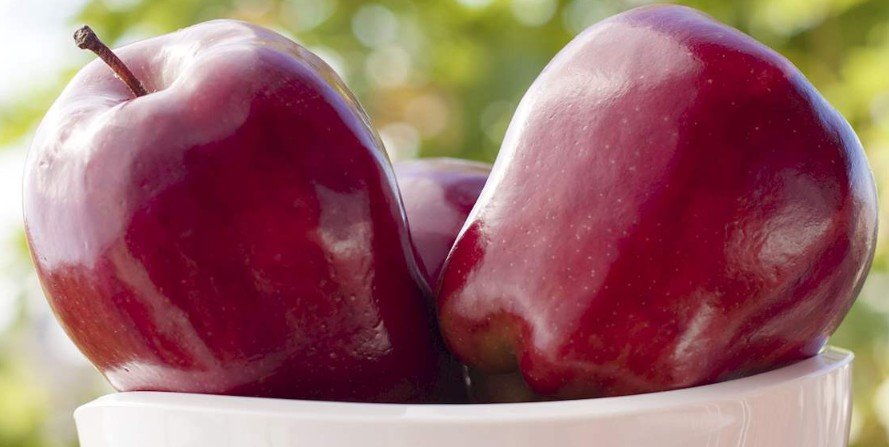
I still remember the first time I really paid attention to Mila Zagoras Piliou, and yeah, it wasn’t love at first bite. I had tasted plenty of apples before, crisp ones, sweet ones, bland supermarket ones, but this apple felt different in a way I couldn’t quite explain at first.
Back then, I made the mistake of treating it like just another apple variety. That was wrong, and honestly, a bit disrespectful to the land and the growers who’ve been doing this right for generations.
Mila Zagoras Piliou isn’t just an apple, it’s an agricultural system wrapped in red skin. And once you work with it long enough, you start realizing how tightly it’s connected to climate, elevation, soil structure, and patience.
Zagora apples from Mount Pelion
I learned pretty quickly that Zagora apples from Mount Pelion behave differently than apples grown in flatter regions. The microclimate up there is no joke, with cool nights, humid air from the Aegean Sea, and sudden weather shifts that can mess with flowering if you’re not careful. At first, I underestimated the importance of altitude. Most Mila Zagoras orchards sit between 300 and 900 meters above sea level, and that range matters more than people think. Higher elevations slow sugar accumulation, which sounds bad until you realize it’s what gives these apples their balanced flavor. Too much heat, and you lose the acidity that makes Mila Zagoras stand out.
One thing I messed up early on was irrigation timing. I figured apples are apples, so I watered on a fixed schedule, ignoring rainfall patterns and humidity, Big mistake.
Mila Zagoras Piliou trees don’t like wet feet, especially in heavier clay-loam soils common in Pelion. What worked better was monitoring soil moisture manually, sometimes just grabbing a handful of dirt and squeezing it. If it clumped but didn’t drip, we were good, if it stayed muddy, irrigation stayed off. That small change reduced root stress and cut disease pressure almost in half. Funny how old-school methods still beat fancy sensors sometimes.
Speaking of disease, apple scab is the silent enemy here. The humid Pelion climate is perfect for it, and if you blink, it spreads fast. I used to spray preventively without much thought.
Later on, I learned timing mattered more than volume. Targeting sprays right before extended wet periods, especially during early leaf development, made a huge difference.
It wasn’t about spraying more, just spraying smarter. Also, pruning for airflow became non-negotiable.
A slightly open canopy dries faster, and faster drying means fewer fungal issues, plain and simple.
Harvest timing was another lesson learned the hard way. I once harvested Mila Zagoras apples too early, thinking firmness alone meant readiness. They looked good, stored well, but the flavor was flat. That stung, because you can’t fix flavor after harvest. Now I rely on a mix of starch index testing, seed color, and taste. When the seeds turn dark brown and the flesh snaps clean with a slight sweetness, that’s the window. Zagora apples are typically harvested from mid-September to early October, but every year shifts a bit. Ignoring that nuance costs quality, every time.
What really sets Mila Zagoras Piliou PDO apples apart is their traceability system. Each apple gets a sticker with a number, and yeah, it sounds excessive until you understand why. That number ties the fruit back to the grower, orchard, and harvest date. It builds trust, and trust sells apples better than flashy marketing ever will.
I’ve seen firsthand how consumers respond to that transparency. They don’t just buy apples, they buy confidence. This system also forces growers to maintain high standards. When your name is basically on every apple, shortcuts disappear real fast.
I used to think fertilization was just about nitrogen. That mindset cost me size consistency and storage life. Mila Zagoras apples respond better to balanced nutrition, especially calcium.
Low calcium leads to bitter pit, and once that shows up, your storage losses climb fast.
Foliar calcium sprays during fruit development helped a lot. Not perfect, but noticeably better. Leaf analysis became a habit, not an option. It showed me deficiencies I couldn’t see with my eyes, and corrected problems early.
One thing I admire about Zagora growers is how they respect tradition without rejecting science. You’ll see old pruning styles mixed with modern disease forecasting models. That balance matters.
Relying only on tradition can limit yield, but chasing technology blindly can disconnect you from the orchard. I’ve learned to walk rows slowly, listen to the trees, and notice patterns.
Sometimes a stressed tree tells you more than a lab report. That’s not poetic fluff either. Tree vigor, leaf color, and shoot growth are real indicators if you pay attention.
Storage is where Mila Zagoras apples really shine, if handled right. Controlled atmosphere storage extends shelf life without killing flavor. Early on, I stored them too cold too fast.
That shocked the fruit and caused internal browning. Now we cool gradually, dropping temperature over several days. Oxygen levels are carefully managed, and ethylene is controlled to slow ripening. When done correctly, these apples hold firmness and flavor for months. That consistency is why they’re trusted in both local and export markets.
Marketing these apples taught me another lesson. You don’t oversell Mila Zagoras Piliou. Let the story do the work. The PDO status, the mountain climate, the traceability, that’s enough. Consumers respond to authenticity, not hype. I’ve watched people come back year after year because the apple tastes the same, every season. Consistency builds loyalty faster than novelty. That’s something a lot of modern agriculture forgets.
If there’s one mistake I see new growers make, it’s rushing expansion. Mila Zagoras apples reward patience, not speed. Planting too densely, overfeeding, pushing for yield early, all of that backfires. Trees need time to establish deep roots in Pelion’s slopes. Spacing matters more than maximizing tree count. Good airflow and light penetration beat crowded orchards every time. I’ve seen modest orchards outperform larger ones simply because they were managed thoughtfully. Bigger isn’t always better, especially here.
There were years when weather wiped out blossoms overnight. Frost at the wrong time can ruin everything. Those seasons were frustrating, no doubt. But they taught me humility. Agriculture isn’t control, it’s cooperation. You plan, adjust, and accept that some things are out of your hands. Mila Zagoras Piliou apples remind you of that reality every season. They don’t bend to shortcuts.
After decades around orchards, I can say this confidently. Mila Zagoras Piliou isn’t famous by accident. It’s the result of geography, discipline, and people who care deeply about doing things right.
Every apple carries that effort. Working with them changed how I see fruit growing altogether. It slowed me down, sharpened my decisions, and made me respect the process more. If you treat these apples with patience, they give back generously. If you rush them, they remind you who’s really in charge. And honestly, that’s a lesson worth learning, whether you’re growing apples or anything else rooted in the land.