I’ve worked with a lot of apple varieties over the years, but Cripps Pink apples have always been a bit… different.
They’re not the easiest apples to grow, not the fastest to color up, and definitely not the most forgiving if you rush them.
But when you get them right, man, they’re worth the trouble.
This article is me sharing what I’ve learned the hard way about Cripps Pink apples.
Some of it came from mistakes, some from trial and error, and some from quiet observation that only comes after seasons of watching trees behave.
What Are Cripps Pink Apples, Really?
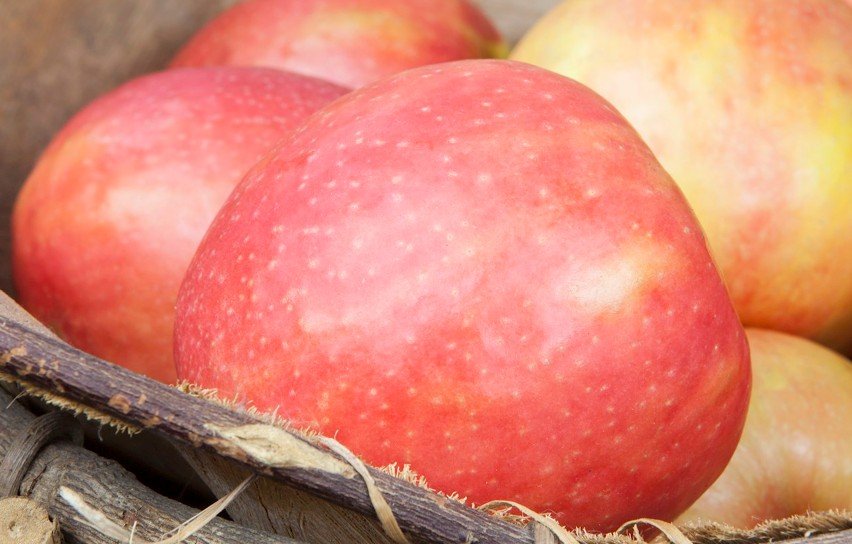
Cripps Pink apples are the variety most people know as Pink Lady apples, but that name gets mixed up a lot.
Technically speaking, Cripps Pink is the cultivar, and Pink Lady is a trademarked brand that only applies to fruit meeting strict quality standards.
I didn’t know that early on, and I’ll admit I used the names interchangeably for years.
These apples were developed in Australia by John Cripps in the 1970s.
The cross was between Golden Delicious and Lady Williams, and you can taste both parents if you pay attention.
There’s the sweetness from Golden Delicious and that firm, tart backbone from Lady Williams.
Why Cripps Pink Apples Are So Popular With Consumers
Flavor That Hits Multiple Notes
What makes Cripps Pink apples special is the balance.
They’re sweet, but not boring sweet.
They’re tart, but not sharp enough to make you squint.
When harvested at the right maturity, the sugar-acid balance lands just right.
I’ve measured Brix levels anywhere from 12.5 to 15.5 depending on region and harvest timing, which is impressive for a late-season apple.
The acidity holds on longer than most varieties, which is why they taste “bright” even after months in storage.
Texture That Holds Up
Cripps Pink apples are dense.
Not mealy, not spongy, but dense and crisp.
You can store them for months under controlled atmosphere storage and they still bite clean, which isn’t easy to pull off with apples.
I’ve sliced them for fresh packs, baked them into pies, and eaten them straight off the tree.
They hold their shape better than most, especially in baking.
Growing Cripps Pink Apples: Not for the Impatient
Chill Hours and Climate Requirements
This is where people mess up.
Cripps Pink apples need long growing seasons and plenty of heat units.
They also need sufficient winter chill, usually around 600–800 chill hours, depending on rootstock.
I’ve seen growers plant them in marginal climates and wonder why color development is weak.
The apples grow fine, but the pink blush just won’t show up properly.
Color on Cripps Pink apples comes late, and if you don’t have warm days and cool nights in fall, you’re fighting nature.
Late Harvest Timing
Cripps Pink apples are very late-season apples.
In many regions, harvest can run from late October into November.
I’ve even picked them in early December in warmer climates.
Early on, I harvested too soon because frost was coming and I panicked.
Big mistake.
The apples looked okay but tasted flat, and storage life suffered badly.
Lesson learned: Cripps Pink apples punish impatience.
Soil Requirements and Rootstock Choices
Soil Preferences
Cripps Pink trees like well-drained soil with moderate fertility.
Heavy clay soils can work, but drainage must be managed properly.
I once planted a block on poorly drained ground, and root health suffered every wet spring.
The ideal soil pH sits between 6.0 and 6.8.
Below that, nutrient uptake starts to get weird, especially calcium, and that leads to storage disorders.
Rootstock Matters More Than You Think
I’ve seen Cripps Pink apples on M.9, M.26, and MM.106.
Each behaves differently.
- M.9: Great for high-density orchards, excellent fruit size control, but needs strong support.
- M.26: Slightly more vigor, easier management, but watch fire blight.
- MM.106: Too vigorous for my taste unless soil fertility is low.
If I had to pick again, I’d still lean toward M.9 with a good trellis system.
Pruning and Canopy Management Lessons
Light Is Everything
Cripps Pink apples need light.
Not just some light, but consistent light throughout the canopy.
I learned quickly that shaded fruit never colors properly.
You can have a healthy apple, but without light exposure, the pink blush stays pale or streaky.
Summer pruning helped me more than winter pruning ever did.
Removing excess shoots in July improved color more than any fertilizer adjustment I tried.
Overcropping Kills Quality
This variety loves to set heavy crops.
If you let it, you’ll get a ton of apples and mediocre quality.
Thinning is non-negotiable.
Chemical thinning followed by hand thinning worked best for me.
Target spacing ended up around 15–20 cm between fruit, depending on tree vigor.
Common Problems With Cripps Pink Apples
Poor Color Development
This is the #1 complaint.
And most of the time, it’s caused by:
- Insufficient sunlight
- Early harvest
- Warm night temperatures
- Excess nitrogen
I once pushed nitrogen too hard early in the season.
The trees looked great, leaves dark green and happy, but fruit color suffered badly.
Never again.
Bitter Pit and Calcium Issues
Cripps Pink apples are sensitive to calcium deficiency.
Bitter pit shows up in storage, not always at harvest, which makes it frustrating.
Foliar calcium sprays throughout the season helped reduce losses.
So did avoiding excessive vegetative growth.
Strong shoots compete with fruit for calcium, and fruit always loses.
Harvesting Cripps Pink Apples the Right Way
Maturity Indices I Trust
I don’t rely on color alone anymore.
That burned me before.
I look at:
- Starch index
- Firmness
- Brix
- Background color shift from green to yellow
Cripps Pink apples can look ready but still be physiologically immature.
That’s the tricky part.
Multiple Picks Are Worth It
One-pass harvesting doesn’t work well with this variety.
I’ve done better with two or three picks, allowing later fruit to fully color.
Yes, it costs more in labor.
But the premium quality made up for it every time.
Storage and Shelf Life Experience
Controlled Atmosphere Storage
Cripps Pink apples shine in CA storage.
Low oxygen and controlled CO₂ levels preserve firmness and flavor remarkably well.
I’ve stored them for 6–9 months with minimal quality loss when conditions were right.
Temperature control was critical.
Too warm and they soften.
Too cold and you risk chilling injury.
Ethylene Management
They produce moderate ethylene, but they’re sensitive to it.
Using ethylene inhibitors helped extend storage life, especially for export-quality fruit.
Eating and Cooking With Cripps Pink Apples
Fresh Eating
This is where most people fall in love.
The crunch, the balance, the juiciness—it’s all there.
I always recommend them for:
- Fresh snacks
- Lunch boxes
- Cheese pairings
They don’t brown as fast as some varieties, which helps for slicing.
Baking and Cooking
Cripps Pink apples hold shape well in pies and tarts.
They soften but don’t turn to mush, which I appreciate.
I’ve used them in:
- Apple pies
- Crisps
- Sauces with minimal sugar
Their natural acidity means you can cut back on added sugar, which is nice.
Are Cripps Pink Apples Worth Growing? My Honest Opinion
They’re not beginner apples.
They demand patience, climate compatibility, and careful management.
But if you can meet their needs, they reward you with:
- Premium market value
- Long storage life
- Loyal consumer demand
- Excellent eating quality
I’ve grown easier apples.
I’ve also grown apples that didn’t sell as well or store as long.
Cripps Pink apples sit in that category where the work is higher, but so is the payoff.
Final Thoughts on Cripps Pink Apples
If I had to sum up Cripps Pink apples in one sentence, it would be this:
They don’t forgive shortcuts.
Every time I tried to rush harvest, skip thinning, or push growth too hard, quality dropped.
Every time I respected their timing and needs, they delivered.
They taught me patience.
They taught me to trust maturity indicators instead of fear.
And they reminded me that some of the best fruit comes from doing fewer things, but doing them right.
If you’re willing to learn from a few mistakes along the way, Cripps Pink apples can become one of the most rewarding varieties you’ll ever work with.