How Can Restaurants Promote Their Events Effectively in 2026?

How Can Restaurants Promote Their Events Effectively in 2026

Restaurant events are looking drastically different now compared to what they used to be. Diners don’t just discover events through flyers, but also social media and short-form content. In addition, AI-powered suggestions have also become a popular norm of local event discovery. To effectively promote your restaurant’s event, you need to have a clear focus on algorithmic consistency and visibility.

Here are 5 event promotion strategies that can be used to drive real foot traffic, and not just likes. We’ll discuss marketing tips and tricks, online design platforms, and other ways to attract the right audience’s attention.  

1. Design Events for Discovery

Don’t make your marketing campaign entirely promotion-based. In order to captivate new attendees, your event needs to compete with everything else on their feeds, not just other restaurants. A successful promotion needs to be instantly understandable, visually distinct, and optimized for mobile. 

Instead of designing one poster and sharing it everywhere, you can create visuals from bar poster templates. Templates are a quick hack for saving time as most of the layout and formatting is done for you. You can quickly resize, edit, and customize it to your event’s niche. 

You can also create multiple versions of the same design. For example, you can adapt a single design into social media posts, Instagram Stories, Reels, and physical prints. Cohesion across promotional materials makes sure that your event is recognisable across various social media channels. 

Pro tip: Design for someone who’s half-scrolling and half-distracted. Your headline should do all the work. Lead with the type of event you’re hosting and prioritize text hierarchy so the graphic isn’t too visually crowded. 

2. Short-Form Content Series

People are much more likely to interact with motion-based short-form content rather than static posts. The primary way to discover local events is by scrolling through your reels sectio on Instagram and seeing what local businesses are up to. You can easily break your event down into a content series by following this structure: 

  • A teaser video introducing the theme of the event 
  • A behind-the-scenes (BTS) clip of event prep or menu tasting 
  • Chef and restaurant staff highlights 
  • A reminder post on event day 

You can pair these videos with clean and branded visuals which communicate what your event offers. You can also use pre-sized templates to layer over videos and covers, especially if you’re throwing a live music night or a themed dinner. Recognition boosts attendance. 

3. Aim for ‘Moments’, Not Discounts

Diners are not motivated by discounts and limited-time deals anymore. They want to pay for and enjoy an experience, rather than just having good food. Instead of leading with sales, you can anchor your event to other ‘moments’ such as:

  • A season
  • A cultural moment
  • A local collaboration
  • A limited-time theme 

To promote your event, you can emphasize the mood and ambience by using a visual-first strategy on social media. Do not write unnecessary copy as potential attendees are more likely to skim through the design, rather than reading each line. 

Pro tip: Tie events to emotions like nostalgia, celebration, or exclusivity. If you are focusing on limited-time deals, make sure you’re not using pressure-heavy language that can come across as hard-selling your event. 

4. Let The Room Do The Marketing

You need to set up the way the restaurant looks on event day with intention and a clear objective in mind. Personalize the experience for the guests and give them visually-stimulating decor that matches the event theme. You can use:

  • Themed table cards
  • Digital menu boards with QR codes
  • Visually striking entryway posters 
  • Bar-top signage 

Keep your branding visible and highlighted so that your restaurant’s brand identity is never lost. By personalizing restaurant elements, you’ll reinforce the memory in the attendees’ head, increasing the chances that they’ll share content from the event night or inform someone else. 

5. Extend the Event Beyond Its End

Events don’t end when the last guests leave. If you need to keep the momentum going for your restaurant’s future promotions, it’s important to do follow-ups. You can use the following techniques to re-engage customers and get them talking about the event:

  • Posting event highlights the next day
  • Sharing guest photos and videos 
  • Teasing the next event using visuals from the previous event 

By using your saved existing designs, you can adapt and edit them for later use. This way, you can keep the event cycle moving without added effort into creating new promotional materials. 

Pro tip: Capture content during the event keeping the next event in mind. What are some visuals you can reuse? You can also highlight real guest experiences instead of opting for a polished shoot. 

Cripps Pink Apples: What I’ve Learned After Years of Growing, Handling, and Eating Them

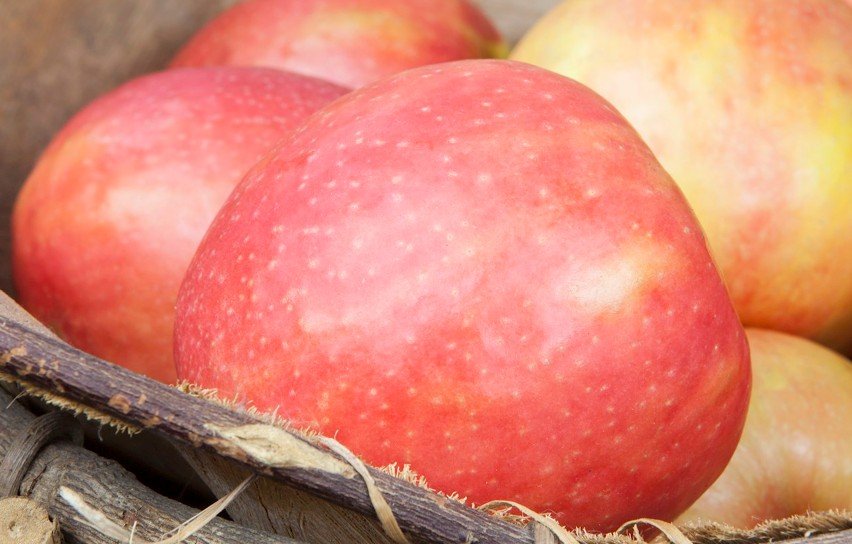
Cripps Pink Apples

Cripps Pink Apples

I’ve worked with a lot of apple varieties over the years, but Cripps Pink apples have always been a bit… different.
They’re not the easiest apples to grow, not the fastest to color up, and definitely not the most forgiving if you rush them.
But when you get them right, man, they’re worth the trouble.

This article is me sharing what I’ve learned the hard way about Cripps Pink apples.
Some of it came from mistakes, some from trial and error, and some from quiet observation that only comes after seasons of watching trees behave.

What Are Cripps Pink Apples, Really?

Cripps Pink apples are the variety most people know as Pink Lady apples, but that name gets mixed up a lot.
Technically speaking, Cripps Pink is the cultivar, and Pink Lady is a trademarked brand that only applies to fruit meeting strict quality standards.
I didn’t know that early on, and I’ll admit I used the names interchangeably for years.

These apples were developed in Australia by John Cripps in the 1970s.
The cross was between Golden Delicious and Lady Williams, and you can taste both parents if you pay attention.
There’s the sweetness from Golden Delicious and that firm, tart backbone from Lady Williams.

Why Cripps Pink Apples Are So Popular With Consumers

Flavor That Hits Multiple Notes

What makes Cripps Pink apples special is the balance.
They’re sweet, but not boring sweet.
They’re tart, but not sharp enough to make you squint.

When harvested at the right maturity, the sugar-acid balance lands just right.
I’ve measured Brix levels anywhere from 12.5 to 15.5 depending on region and harvest timing, which is impressive for a late-season apple.
The acidity holds on longer than most varieties, which is why they taste “bright” even after months in storage.

Texture That Holds Up

Cripps Pink apples are dense.
Not mealy, not spongy, but dense and crisp.
You can store them for months under controlled atmosphere storage and they still bite clean, which isn’t easy to pull off with apples.

I’ve sliced them for fresh packs, baked them into pies, and eaten them straight off the tree.
They hold their shape better than most, especially in baking.

Growing Cripps Pink Apples: Not for the Impatient

Chill Hours and Climate Requirements

This is where people mess up.
Cripps Pink apples need long growing seasons and plenty of heat units.
They also need sufficient winter chill, usually around 600–800 chill hours, depending on rootstock.

I’ve seen growers plant them in marginal climates and wonder why color development is weak.
The apples grow fine, but the pink blush just won’t show up properly.
Color on Cripps Pink apples comes late, and if you don’t have warm days and cool nights in fall, you’re fighting nature.

Late Harvest Timing

Cripps Pink apples are very late-season apples.
In many regions, harvest can run from late October into November.
I’ve even picked them in early December in warmer climates.

Early on, I harvested too soon because frost was coming and I panicked.
Big mistake.
The apples looked okay but tasted flat, and storage life suffered badly.

Lesson learned: Cripps Pink apples punish impatience.

Soil Requirements and Rootstock Choices

Soil Preferences

Cripps Pink trees like well-drained soil with moderate fertility.
Heavy clay soils can work, but drainage must be managed properly.
I once planted a block on poorly drained ground, and root health suffered every wet spring.

The ideal soil pH sits between 6.0 and 6.8.
Below that, nutrient uptake starts to get weird, especially calcium, and that leads to storage disorders.

Rootstock Matters More Than You Think

I’ve seen Cripps Pink apples on M.9, M.26, and MM.106.
Each behaves differently.

  • M.9: Great for high-density orchards, excellent fruit size control, but needs strong support.
  • M.26: Slightly more vigor, easier management, but watch fire blight.
  • MM.106: Too vigorous for my taste unless soil fertility is low.

If I had to pick again, I’d still lean toward M.9 with a good trellis system.

Pruning and Canopy Management Lessons

Light Is Everything

Cripps Pink apples need light.
Not just some light, but consistent light throughout the canopy.

I learned quickly that shaded fruit never colors properly.
You can have a healthy apple, but without light exposure, the pink blush stays pale or streaky.

Summer pruning helped me more than winter pruning ever did.
Removing excess shoots in July improved color more than any fertilizer adjustment I tried.

Overcropping Kills Quality

This variety loves to set heavy crops.
If you let it, you’ll get a ton of apples and mediocre quality.

Thinning is non-negotiable.
Chemical thinning followed by hand thinning worked best for me.
Target spacing ended up around 15–20 cm between fruit, depending on tree vigor.

Common Problems With Cripps Pink Apples

Poor Color Development

This is the #1 complaint.
And most of the time, it’s caused by:

  • Insufficient sunlight
  • Early harvest
  • Warm night temperatures
  • Excess nitrogen

I once pushed nitrogen too hard early in the season.
The trees looked great, leaves dark green and happy, but fruit color suffered badly.
Never again.

Bitter Pit and Calcium Issues

Cripps Pink apples are sensitive to calcium deficiency.
Bitter pit shows up in storage, not always at harvest, which makes it frustrating.

Foliar calcium sprays throughout the season helped reduce losses.
So did avoiding excessive vegetative growth.
Strong shoots compete with fruit for calcium, and fruit always loses.

Harvesting Cripps Pink Apples the Right Way

Maturity Indices I Trust

I don’t rely on color alone anymore.
That burned me before.

I look at:

  • Starch index
  • Firmness
  • Brix
  • Background color shift from green to yellow

Cripps Pink apples can look ready but still be physiologically immature.
That’s the tricky part.

Multiple Picks Are Worth It

One-pass harvesting doesn’t work well with this variety.
I’ve done better with two or three picks, allowing later fruit to fully color.

Yes, it costs more in labor.
But the premium quality made up for it every time.

Storage and Shelf Life Experience

Controlled Atmosphere Storage

Cripps Pink apples shine in CA storage.
Low oxygen and controlled CO₂ levels preserve firmness and flavor remarkably well.

I’ve stored them for 6–9 months with minimal quality loss when conditions were right.
Temperature control was critical.
Too warm and they soften.
Too cold and you risk chilling injury.

Ethylene Management

They produce moderate ethylene, but they’re sensitive to it.
Using ethylene inhibitors helped extend storage life, especially for export-quality fruit.

Eating and Cooking With Cripps Pink Apples

Fresh Eating

This is where most people fall in love.
The crunch, the balance, the juiciness—it’s all there.

I always recommend them for:

  • Fresh snacks
  • Lunch boxes
  • Cheese pairings

They don’t brown as fast as some varieties, which helps for slicing.

Baking and Cooking

Cripps Pink apples hold shape well in pies and tarts.
They soften but don’t turn to mush, which I appreciate.

I’ve used them in:

  • Apple pies
  • Crisps
  • Sauces with minimal sugar

Their natural acidity means you can cut back on added sugar, which is nice.

Are Cripps Pink Apples Worth Growing? My Honest Opinion

They’re not beginner apples.
They demand patience, climate compatibility, and careful management.

But if you can meet their needs, they reward you with:

  • Premium market value
  • Long storage life
  • Loyal consumer demand
  • Excellent eating quality

I’ve grown easier apples.
I’ve also grown apples that didn’t sell as well or store as long.

Cripps Pink apples sit in that category where the work is higher, but so is the payoff.

Final Thoughts on Cripps Pink Apples

If I had to sum up Cripps Pink apples in one sentence, it would be this:
They don’t forgive shortcuts.

Every time I tried to rush harvest, skip thinning, or push growth too hard, quality dropped.
Every time I respected their timing and needs, they delivered.

They taught me patience.
They taught me to trust maturity indicators instead of fear.
And they reminded me that some of the best fruit comes from doing fewer things, but doing them right.

If you’re willing to learn from a few mistakes along the way, Cripps Pink apples can become one of the most rewarding varieties you’ll ever work with.

Honeycrisp Apples: What I’ve Learned After Years of Growing, Handling, and Eating Them

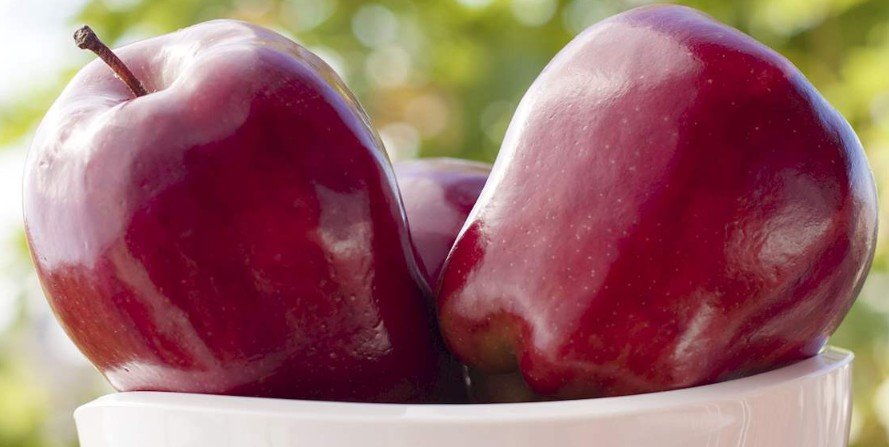
Honeycrisp Apples

Honeycrisp Apples

I still remember the first time I bit into a Honeycrisp apple and just stood there chewing like an idiot.
It was loud, juicy, and honestly a little shocking, like the apple had something to prove.
I’ve been around apples most of my life, but that crunch stopped me in my tracks.

Back then, I thought a good apple was just a good apple.
Firm, sweet enough, not mushy, and you move on with your day.
Honeycrisp changed that thinking real quick, and over the years, I’ve learned they’re both a blessing and a headache.

This article is everything I wish someone had told me earlier about Honeycrisp apples.
The good, the frustrating, the picky growing habits, and why people will happily pay more for them anyway.
If you’re growing them, selling them, or just obsessed with eating them, this is for you.

What Makes Honeycrisp Apples Different From Other Apples

Honeycrisp apples are not just another red apple with fancy marketing.
They’re structurally different on the inside, and that’s where the magic comes from.
The cells are larger and burst easier, which is why you get that explosive crunch and juice.

I didn’t understand this at first.
I kept comparing them to Gala and Fuji, wondering why Honeycrisp bruised easier but tasted better.
Turns out, those big cells are fragile, and they don’t forgive rough handling.

Flavor-wise, Honeycrisp sits in a sweet-tart balance that hits a lot of people just right.
Not too sugary, not mouth-puckering sour, just clean and refreshing.
That balance is why they work for fresh eating, baking, and even salads.

Another thing people notice is texture.
Honeycrisp stays crisp longer than many varieties when stored correctly.
But and this is a big but, storage mistakes will ruin them fast.

The Origin Story Most People Don’t Talk About

Honeycrisp apples didn’t come from some ancient orchard tradition.
They were developed at the University of Minnesota, and cold weather played a big role.
This matters more than folks realize.

Cold-hardiness is baked into Honeycrisp genetics.
They were made to survive harsh winters, not just look pretty on a shelf.
That’s why they perform best in cooler climates.

I’ve seen growers struggle when trying to push Honeycrisp into the wrong regions.
Too much heat and stress leads to poor color, bitter pit, and soft texture.
The apple will grow, but it won’t shine.

Knowing where Honeycrisp comes from helps you understand why it acts the way it does.
It’s not stubborn, it’s just built for specific conditions.
Respect that, and it rewards you.

Growing Honeycrisp Apples: My Hard Lessons

I’ll be honest, Honeycrisp apples taught me humility.
I assumed experience with other apples would transfer smoothly.
It did not.

Honeycrisp trees are picky about nutrients, especially calcium.
Miss the balance, and you get bitter pit, which looks awful and tastes worse.
I lost a whole chunk of a crop once before I fully understood that.

They also tend to overproduce.
At first, that sounds great, but it’s not.
Too many apples means smaller fruit, poor color, and stressed trees.

Thinning is not optional with Honeycrisp.
You skip it or do a half-hearted job, and you’ll pay later.
I learned to thin early and aggressively, even when it hurts emotionally.

They also don’t love heavy pruning mistakes.
Cut too hard, and they respond weird the following year.
I now prune with more patience than confidence, and it works better.

Soil Requirements for Honeycrisp Apples

Soil health matters for all apples, but Honeycrisp takes it personally.
They need good drainage, balanced nutrients, and consistent moisture.
Sloppy soil management shows up fast in fruit quality.

I’ve had the best results in loamy soil with decent organic matter.
Heavy clay gave me problems with root stress and nutrient uptake.
Sandy soil needed more frequent irrigation and careful fertilization.

Calcium availability in the soil is critical.
Not just total calcium, but how accessible it is to the tree.
Too much nitrogen can actually block calcium uptake, which surprised me.

Soil testing became non-negotiable after a few rough seasons.
Guessing costs money, and apples don’t wait for you to figure it out.
A simple soil test saved me years of trial and error.

Irrigation Mistakes That Cost Me Quality

Water stress and Honeycrisp do not mix well.
Inconsistent watering leads to size issues and internal breakdown.
I learned this the hard way during a dry stretch.

Overwatering isn’t good either.
Roots need oxygen, and soggy soil invites disease.
Balance is the name of the game.

Drip irrigation worked best for me.
It kept moisture consistent without flooding the root zone.
Once I dialed that in, fruit quality improved noticeably.

Timing matters more than volume.
Steady moisture during fruit development is key.
Letting trees dry out and then flooding them is a recipe for problems.

Pest and Disease Challenges With Honeycrisp

Honeycrisp doesn’t have magical immunity.
In fact, it can be more sensitive to certain issues than other varieties.
Apple scab and fire blight are always watching.

I used to react too late.
Waiting until symptoms showed up is already a loss.
Preventive management made a big difference.

Integrated pest management helped keep things under control.
Monitoring, targeted sprays, and good airflow reduced pressure.
Blanket spraying just stressed trees and wasted money.

Codling moth damage hurt Honeycrisp sales more than other apples.
Customers expect perfection when paying premium prices.
One worm hole, and the apple gets rejected.

Why Honeycrisp Apples Are So Expensive

People ask me this all the time.
They think growers are just cashing in.
If only it were that simple.

Honeycrisp apples cost more to grow.
Lower yields, more labor, more thinning, and higher losses.
Every step requires more attention.

They bruise easier during harvest and packing.
That means slower handling and more careful storage.
Speed kills quality with Honeycrisp.

Storage losses are also higher if conditions aren’t perfect.
Temperature, humidity, and oxygen levels all matter.
One mistake can wipe out months of work.

When you factor all that in, the price starts making sense.
Growers aren’t getting rich; they’re managing risk.
The consumer is paying for consistency and quality.

Harvest Timing: The Make-or-Break Moment

Harvest timing for Honeycrisp is unforgiving.
Pick too early, and flavor suffers.
Pick too late, and storage life drops.

I learned to rely on more than just color.
Starch tests, firmness checks, and taste all matter.
Rushing harvest cost me shelf life early on.

Honeycrisp often needs multiple picks.
Not all apples mature at the same time.
This adds labor but improves overall quality.

That extra effort shows in the eating experience.
A properly harvested Honeycrisp is hard to beat.
A rushed one is just expensive disappointment.

Storing Honeycrisp Apples Correctly

Honeycrisp storage is tricky.
They don’t behave like every other apple.
Cold storage helps, but too cold causes issues.

Chilling injury is a real risk.
I lost fruit early by storing them too cold too fast.
Now I step temperatures down gradually.

Controlled atmosphere storage works wonders if done right.
Lower oxygen slows respiration and preserves texture.
But mistakes are costly, so monitoring is critical.

Even with perfect storage, Honeycrisp has limits.
They’re not meant for year-long storage like some varieties.
Knowing when to sell is just as important as knowing how to store.

Eating Honeycrisp Apples: Why People Love Them

From a consumer standpoint, Honeycrisp is easy to love.
That crunch is addictive.
It sounds silly, but texture matters.

The juice content is high without being messy.
Sweetness is clean, not syrupy.
Acidity keeps it refreshing.

They work raw better than cooked, in my opinion.
Baking softens that signature crunch.
Still tasty, just different.

Sliced Honeycrisp browns slower than some apples.
That makes it great for salads and snacks.
Small detail, big convenience.

Nutritional Value of Honeycrisp Apples

Honeycrisp apples are nutritionally similar to other apples.
They’re not a superfood miracle, and that’s okay.
Fiber, vitamin C, and antioxidants are the main benefits.

The fiber supports digestion and gut health.
Most of it is in the skin, so don’t peel unless you must.
I learned that after years of lazy peeling.

They’re low in calories and fat-free.
Good for snacks without guilt.
That’s part of their wide appeal.

What they really offer is consistency.
People actually enjoy eating them regularly.
That’s nutrition through habit, which matters.

Common Honeycrisp Problems Consumers Notice

Sometimes people complain about mealy Honeycrisp apples.
That usually comes from poor storage or late harvest.
It’s not how the apple should be.

Bitter pit is another issue.
Those little brown spots ruin the experience.
That goes back to calcium management in the orchard.

Internal browning can happen too.
Often from improper storage conditions.
Most consumers never see the behind-the-scenes causes.

When Honeycrisp is good, it’s amazing.
When it’s bad, people lose trust fast.
Consistency is everything with premium apples.

Tips I’d Give Anyone Working With Honeycrisp Apples

Respect the variety.
Don’t treat it like every other apple.
It has its own rules.

Test your soil and leaf nutrients regularly.
Guessing leads to expensive mistakes.
Data beats intuition here.

Thin aggressively and early.
More apples doesn’t mean better apples.
Quality always wins long-term.

Handle fruit gently at every stage.
From tree to box to shelf.
Bruises are silent killers.

Know when to let go.
Honeycrisp doesn’t store forever.
Sell it at its peak, not past it.

Final Thoughts on Honeycrisp Apples

After all these years, Honeycrisp still surprises me.
Some seasons it humbles me, others it rewards me.
That’s farming, honestly.

It’s not the easiest apple to grow or manage.
But when everything lines up, it delivers something special.
People remember a good Honeycrisp.

If you’re willing to learn its quirks, it’s worth the effort.
Both for growers and consumers.
And yeah, I still stop and smile when I hear that crunch.

Mila Zagoras Piliou: Lessons Learned From Growing and Respecting One of Greece’s Most Iconic Apples

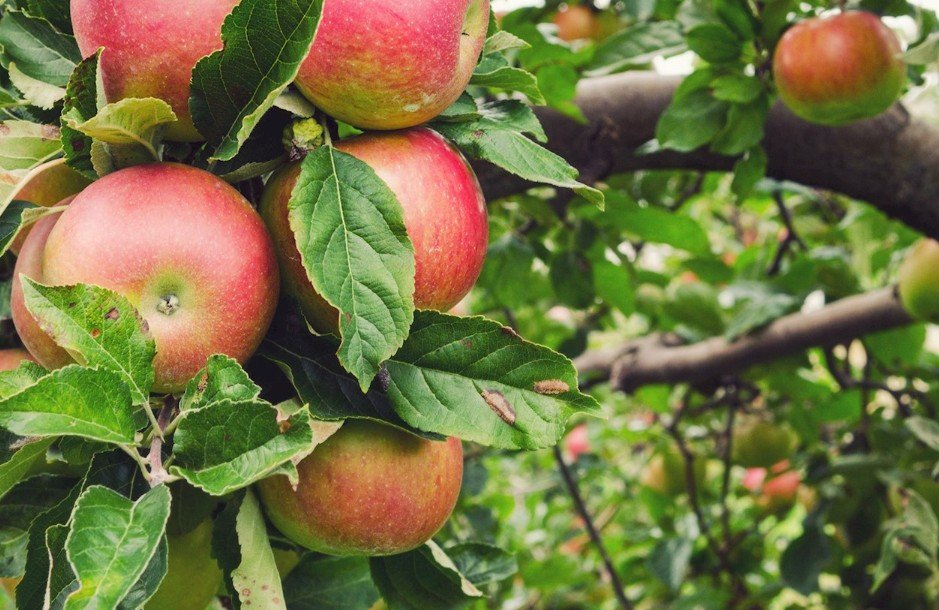
Mila Zagoras Piliou
Mila Zagoras Piliou
Mila Zagoras Piliou

I still remember the first time I really paid attention to Mila Zagoras Piliou, and yeah, it wasn’t love at first bite. I had tasted plenty of apples before, crisp ones, sweet ones, bland supermarket ones, but this apple felt different in a way I couldn’t quite explain at first.

Back then, I made the mistake of treating it like just another apple variety. That was wrong, and honestly, a bit disrespectful to the land and the growers who’ve been doing this right for generations.

Mila Zagoras Piliou isn’t just an apple, it’s an agricultural system wrapped in red skin. And once you work with it long enough, you start realizing how tightly it’s connected to climate, elevation, soil structure, and patience.

Zagora apples from Mount Pelion

I learned pretty quickly that Zagora apples from Mount Pelion behave differently than apples grown in flatter regions. The microclimate up there is no joke, with cool nights, humid air from the Aegean Sea, and sudden weather shifts that can mess with flowering if you’re not careful. At first, I underestimated the importance of altitude. Most Mila Zagoras orchards sit between 300 and 900 meters above sea level, and that range matters more than people think. Higher elevations slow sugar accumulation, which sounds bad until you realize it’s what gives these apples their balanced flavor. Too much heat, and you lose the acidity that makes Mila Zagoras stand out.

One thing I messed up early on was irrigation timing. I figured apples are apples, so I watered on a fixed schedule, ignoring rainfall patterns and humidity, Big mistake.
Mila Zagoras Piliou trees don’t like wet feet, especially in heavier clay-loam soils common in Pelion.  What worked better was monitoring soil moisture manually, sometimes just grabbing a handful of dirt and squeezing it. If it clumped but didn’t drip, we were good, if it stayed muddy, irrigation stayed off. That small change reduced root stress and cut disease pressure almost in half. Funny how old-school methods still beat fancy sensors sometimes.

Speaking of disease, apple scab is the silent enemy here. The humid Pelion climate is perfect for it, and if you blink, it spreads fast. I used to spray preventively without much thought.
Later on, I learned timing mattered more than volume. Targeting sprays right before extended wet periods, especially during early leaf development, made a huge difference.
It wasn’t about spraying more, just spraying smarter. Also, pruning for airflow became non-negotiable.
A slightly open canopy dries faster, and faster drying means fewer fungal issues, plain and simple.

Harvest timing was another lesson learned the hard way. I once harvested Mila Zagoras apples too early, thinking firmness alone meant readiness. They looked good, stored well, but the flavor was flat. That stung, because you can’t fix flavor after harvest. Now I rely on a mix of starch index testing, seed color, and taste. When the seeds turn dark brown and the flesh snaps clean with a slight sweetness, that’s the window. Zagora apples are typically harvested from mid-September to early October, but every year shifts a bit. Ignoring that nuance costs quality, every time.

What really sets Mila Zagoras Piliou PDO apples apart is their traceability system. Each apple gets a sticker with a number, and yeah, it sounds excessive until you understand why. That number ties the fruit back to the grower, orchard, and harvest date. It builds trust, and trust sells apples better than flashy marketing ever will.

I’ve seen firsthand how consumers respond to that transparency. They don’t just buy apples, they buy confidence. This system also forces growers to maintain high standards. When your name is basically on every apple, shortcuts disappear real fast.

I used to think fertilization was just about nitrogen. That mindset cost me size consistency and storage life. Mila Zagoras apples respond better to balanced nutrition, especially calcium.
Low calcium leads to bitter pit, and once that shows up, your storage losses climb fast.

Foliar calcium sprays during fruit development helped a lot. Not perfect, but noticeably better. Leaf analysis became a habit, not an option. It showed me deficiencies I couldn’t see with my eyes, and corrected problems early.

One thing I admire about Zagora growers is how they respect tradition without rejecting science. You’ll see old pruning styles mixed with modern disease forecasting models. That balance matters.
Relying only on tradition can limit yield, but chasing technology blindly can disconnect you from the orchard. I’ve learned to walk rows slowly, listen to the trees, and notice patterns.
Sometimes a stressed tree tells you more than a lab report. That’s not poetic fluff either. Tree vigor, leaf color, and shoot growth are real indicators if you pay attention.

Storage is where Mila Zagoras apples really shine, if handled right. Controlled atmosphere storage extends shelf life without killing flavor. Early on, I stored them too cold too fast.
That shocked the fruit and caused internal browning. Now we cool gradually, dropping temperature over several days. Oxygen levels are carefully managed, and ethylene is controlled to slow ripening. When done correctly, these apples hold firmness and flavor for months. That consistency is why they’re trusted in both local and export markets.

Marketing these apples taught me another lesson. You don’t oversell Mila Zagoras Piliou. Let the story do the work. The PDO status, the mountain climate, the traceability, that’s enough. Consumers respond to authenticity, not hype. I’ve watched people come back year after year because the apple tastes the same, every season. Consistency builds loyalty faster than novelty. That’s something a lot of modern agriculture forgets.

If there’s one mistake I see new growers make, it’s rushing expansion. Mila Zagoras apples reward patience, not speed. Planting too densely, overfeeding, pushing for yield early, all of that backfires. Trees need time to establish deep roots in Pelion’s slopes. Spacing matters more than maximizing tree count. Good airflow and light penetration beat crowded orchards every time. I’ve seen modest orchards outperform larger ones simply because they were managed thoughtfully. Bigger isn’t always better, especially here.

There were years when weather wiped out blossoms overnight. Frost at the wrong time can ruin everything. Those seasons were frustrating, no doubt. But they taught me humility. Agriculture isn’t control, it’s cooperation. You plan, adjust, and accept that some things are out of your hands. Mila Zagoras Piliou apples remind you of that reality every season. They don’t bend to shortcuts.

After decades around orchards, I can say this confidently. Mila Zagoras Piliou isn’t famous by accident. It’s the result of geography, discipline, and people who care deeply about doing things right.
Every apple carries that effort. Working with them changed how I see fruit growing altogether. It slowed me down, sharpened my decisions, and made me respect the process more. If you treat these apples with patience, they give back generously. If you rush them, they remind you who’s really in charge. And honestly, that’s a lesson worth learning, whether you’re growing apples or anything else rooted in the land.