Agriculture in Indonesia

Agriculture in indonesia

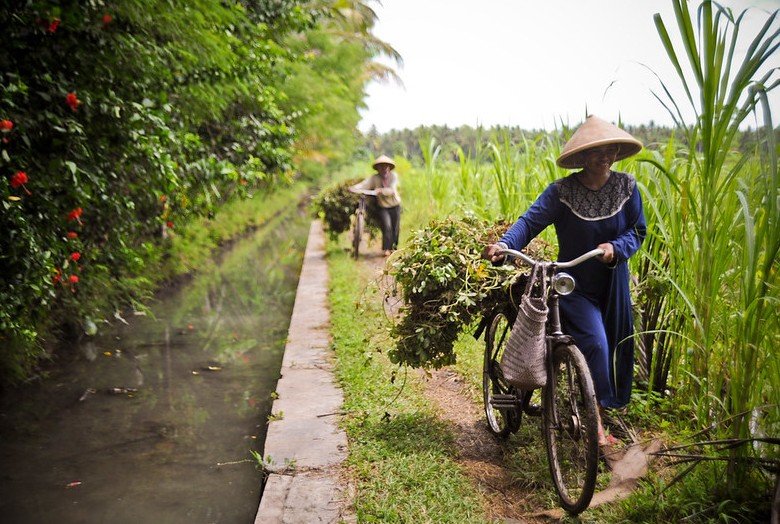
When I first visited a rice field in Central Java years ago, I didn’t realize I was stepping into the heartbeat of Indonesia. The smell of wet soil after the rain, the low hum of insects, and the sight of farmers in wide-brimmed hats bending gracefully over rows of young rice—it’s something you don’t forget. Agriculture here isn’t just a livelihood; it’s a rhythm of life, deeply tied to our traditions, food, and identity.

A Country Built on the Land

You can’t talk about Indonesia without talking about agriculture. With over 270 million people spread across 17,000 islands, food production isn’t just important—it’s essential. About 30{c3f6f8308c5f5052e199c6c595290199e9f7cf4afce39fb671d32a7b0ead7289} of the Indonesian workforce still depends on farming, fishing, or forestry. Even though cities like Jakarta and Surabaya are booming, agriculture remains the backbone that supports everything else.

But it’s not all lush paddies and coconut palms. Farming in Indonesia is complex. The geography itself is a challenge—mountains, volcanic soil, and wildly varying rainfall make every island unique. What grows easily in Bali might struggle in Kalimantan.

Rice: The Soul of Indonesian Agriculture

Rice isn’t just a crop here—it’s a way of life. We eat it for breakfast, lunch, and dinner. Some even joke that if you haven’t eaten rice, you haven’t really eaten.

I remember helping a farmer named Pak Surono in Yogyakarta once. He laughed when I asked why he still used buffaloes to plow instead of a tractor. “Machines break,” he said, patting the muddy buffalo. “But this one never quits.” That moment stuck with me. Despite technology making its way into farming, tradition still holds strong in Indonesia.

Indonesia produces roughly 35–40 million tons of rice per year, but that’s still not enough to meet demand. Some years we import from Thailand or Vietnam to fill the gap. Climate change, pests, and unpredictable weather patterns have made rice production more difficult. Yet, the determination of farmers is something to admire.

Beyond Rice: A Diversity of Crops

It’s easy to think Indonesia only grows rice, but oh, there’s so much more. From palm oil plantations in Sumatra to coffee farms in Toraja, agriculture here is as diverse as our islands.

Take palm oil, for instance. It’s a double-edged sword. Economically, it’s massive—Indonesia is the world’s largest producer, accounting for about 60{c3f6f8308c5f5052e199c6c595290199e9f7cf4afce39fb671d32a7b0ead7289} of global supply. The industry provides millions of jobs and brings in billions in export revenue. But, on the flip side, deforestation and habitat loss for orangutans and other wildlife have sparked global criticism.

I once visited a palm plantation in Riau Province. The contrast was shocking. On one side, endless rows of neatly planted palms; on the other, the ghostly remains of a forest that had once been alive with birdsong. It made me realize that sustainable farming isn’t just about producing food—it’s about balancing progress with responsibility.

Then there’s coffee, one of Indonesia’s hidden treasures. Regions like Aceh, Toraja, and Flores produce some of the most unique flavors in the world. I’ve tasted Sumatran coffee that had hints of chocolate and earth—bold and deep, like the people who grow it. The rise of specialty coffee shops in cities has given local farmers a chance to shine on the international stage.

The Struggles Farmers Face

Now, let’s be real—it’s not all sunshine and harvest festivals. Indonesian farmers face some serious challenges.

First, land fragmentation is a huge issue. The average farmer only owns about 0.3 hectares of land, which is barely enough to sustain a family. Because land inheritance is divided among children, farms keep getting smaller each generation. I’ve seen farmers plant rice on plots so tiny it barely makes economic sense.

Then there’s access to technology and financing. Many rural farmers can’t afford modern irrigation systems, high-quality seeds, or fertilizers. Even if they want to modernize, getting a loan can be nearly impossible without formal land titles or collateral.

And don’t even get me started on climate change. Shifting rainfall patterns, droughts, and floods have thrown traditional planting schedules out of whack. A farmer in Lombok once told me his rice yield dropped by half in a single year because the dry season came too early.

Government Initiatives and Modernization Efforts

To be fair, the Indonesian government isn’t sitting idle. Programs like “Upsus Pajale” (the special effort to increase rice, corn, and soybean production) have helped boost yields in many provinces. There’s also a big push toward digital agriculture, with apps that connect farmers to buyers or provide weather forecasts.

One program I found particularly interesting is “Kartu Tani” (Farmer’s Card). It’s a government-issued card that helps farmers access subsidized fertilizers and credit. I once spoke to a young farmer who used it to buy better quality seeds for his corn field. He told me his harvest improved by nearly 30{c3f6f8308c5f5052e199c6c595290199e9f7cf4afce39fb671d32a7b0ead7289}. That’s the kind of change that gives people hope.

The government’s Food Estate Program, aimed at developing large-scale farms in regions like Papua and Central Kalimantan, is another major move. But it’s not without controversy. Critics argue that such projects can threaten indigenous lands or fragile ecosystems if not managed carefully.

Local Wisdom and Traditional Practices

One thing I truly admire is how Indonesian farmers mix modern techniques with ancient wisdom.

For example, in Bali, farmers use a traditional irrigation system called Subak, which dates back to the 9th century. It’s not just about watering crops—it’s a spiritual and community-based system that reflects harmony between humans, nature, and the divine. UNESCO even recognized it as a World Heritage system.

In other areas, farmers plant mixed crops to protect the soil and reduce pest damage. I’ve seen fields where rice, corn, and chili grow side by side. It might look messy compared to neatly lined industrial farms, but it’s incredibly efficient and sustainable.

The Younger Generation’s Role

Now, this part excites me—the rise of young farmers and agri-entrepreneurs. For years, agriculture had a reputation for being “uncool.” Many young Indonesians left rural areas for cities, chasing office jobs. But lately, I’ve met more and more people returning to the land, armed with new ideas.

Take Ardi, a 28-year-old from Bandung. He started an urban hydroponic farm on his rooftop during the pandemic. He sells fresh lettuce and herbs to local cafes through Instagram. “I wanted to show that farming doesn’t have to mean getting dirty in a rice field,” he told me, laughing. His story isn’t unique anymore—digital platforms are changing the face of agriculture.

Technology: The New Frontier of Farming

When drones first started buzzing over fields in Java, people thought it was a gimmick. But now, tech is revolutionizing the game.

Farmers are using IoT sensors to monitor soil moisture, drones for crop spraying, and AI-based apps to predict weather or detect pests. It’s still early days, but the potential is huge. I once helped test a simple smartphone app that tracked rainfall patterns in Sumatra—it wasn’t perfect, but it made scheduling irrigation so much easier.

Still, technology adoption is uneven. Many older farmers find it confusing or too expensive. The challenge now is bridging that digital divide—training and empowering smallholders to use these tools effectively.

Organic and Sustainable Farming Trends

A few years ago, I tried growing my own vegetables organically—no chemicals, no pesticides. Let me tell you, it wasn’t easy. The bugs practically threw a party in my lettuce patch. But it taught me a lot about the struggles of organic farmers in Indonesia.

There’s a growing demand for organic produce, especially in urban markets. Consumers are becoming more health-conscious, and they’re willing to pay a premium. Regions like Bali, West Java, and East Nusa Tenggara are seeing more small-scale organic farms pop up.

The key challenge? Certification and market access. Getting certified as “organic” can be expensive and complicated. Many farmers end up selling their produce locally without labels, relying on trust instead of paperwork.

Export Powerhouses: Beyond the Local Market

Indonesia isn’t just feeding itself—it’s feeding the world. Aside from palm oil and coffee, the country exports cocoa, rubber, tea, and spices. You’ve probably tasted Indonesian nutmeg or cloves without realizing it.

I once visited a small cocoa farm in Sulawesi, where the owner proudly showed me how he fermented beans under banana leaves. The smell was rich and earthy. He said, “European buyers love this aroma.” That moment made me realize how deeply global trade is connected to tiny, rural farms thousands of miles away.

The Importance of Education and Farmer Training

If I could change one thing about Indonesian agriculture, it would be access to education. Too many farmers rely solely on traditional methods passed down from parents or neighbors. While that knowledge is valuable, combining it with scientific training could boost productivity and income.

Programs like field schools and extension services have helped, but they need to reach more people. I’ve seen how one workshop on composting or pest management can completely transform a farmer’s approach.

Challenges Ahead

Looking forward, Indonesia’s agricultural future depends on how well we handle three things:

  1. Sustainability,
  2. Technology adoption, and
  3. Climate resilience.

There’s no denying that deforestation, water shortages, and soil degradation are serious problems. But I’ve also seen incredible resilience in the people. Farmers are innovators by necessity—they adapt, experiment, and survive.

Lessons I’ve Learned

After spending years studying and observing agriculture in Indonesia, I’ve learned a few lessons:

  • Respect the land. It gives back what you put in. Over-farming might bring short-term profit, but it kills the soil for future generations.
  • Support local farmers. Every purchase counts. When you buy local rice, coffee, or vegetables, you’re supporting a chain of families and communities.
  • Be open to change. Technology can be intimidating, but it’s the key to surviving in today’s world.
  • Balance is everything. Progress means nothing if it destroys the very environment that sustains it.

A Hopeful Future for Indonesian Agriculture

I often think about that old farmer, Pak Surono, guiding his buffalo through the mud. He might not know about artificial intelligence or carbon footprints, but his connection to the land is something the world could learn from.

Indonesia’s agricultural story is one of struggle and strength, of tradition meeting innovation. It’s about finding harmony between feeding millions and protecting the planet. And honestly, I believe we’re heading in the right direction—slowly, maybe, but surely.

So next time you enjoy a cup of Sumatran coffee or a plate of fragrant nasi goreng, remember: behind every bite and every sip, there’s a farmer, a story, and a land that keeps giving—if we take care of it.
Agriculture Fresh Farm Garden Ideas

Agriculture Fresh Farm Garden Ideas

(Lessons, Experiments, and a Few Mistakes Along the Way)

I’ve always believed that a farm or garden should feel alive — not just in the sense that plants are growing, but in the way it breathes, interacts, and gives back. Over the years, I’ve turned patches of barren soil into vibrant ecosystems, made a few expensive mistakes (don’t even get me started on that overwatering incident back in ’09), and learned that sometimes, the best “ideas” in agriculture come from listening — not just to experts, but to the land itself.

When people ask me about fresh farm garden ideas, I always grin, because it’s a wide-open topic. Some folks want to start a backyard food plot. Others dream of turning their land into a small-scale organic farm. No matter where you fall, there are creative, sustainable, and downright fun ways to make your garden thrive — while still keeping it productive and eco-friendly.

So, let’s get into the good stuff. I’ll walk you through a handful of ideas that worked (and a few that didn’t), and hopefully, you’ll find something useful for your own farm or garden.

1. Start with Healthy Soil – Always

Let me tell you something I learned the hard way: no idea — not vertical gardening, not aquaponics, not heirloom seeds — will work if your soil’s dead.

Back in my early days, I bought into the myth that fertilizers could “fix” anything. I’d pour on those NPK mixes thinking I was giving my plants a boost. What I was really doing was masking poor soil health. Once I switched to focusing on organic matter, compost, and microbial life, everything changed.

Here’s what I do now: every fall, I add a thick layer of compost made from kitchen scraps, animal manure, and shredded leaves. I cover it with mulch — straw or grass clippings — and just let the microbes do their thing over winter. By spring, the soil’s dark, crumbly, and full of life.

Pro Tip: Try doing a simple soil test at least once a year. You’d be amazed at how many gardeners guess their soil’s pH wrong. Mine turned out to be more alkaline than I thought, which explained why my blueberries never looked happy.

2. Mix Crops Like Nature Does

Monoculture (planting just one crop) is easy but boring — and kind of a pest magnet. I learned this after losing half a tomato crop to hornworms one summer. Now, I mix things up. Literally.

In my garden, you’ll find tomatoes next to basil and marigolds (they repel certain pests). I grow lettuce under corn for shade. And I even sneak radishes between rows of carrots — they sprout fast and help loosen the soil.

This idea — often called companion planting — mimics how plants grow in natural ecosystems. Each species supports another, whether it’s by repelling pests, improving soil, or providing shade.

Some of my favorite combos:

  • Corn + Beans + Squash (The classic “Three Sisters”)
  • Cabbage + Dill + Onions
  • Tomatoes + Basil + Marigold
  • Lettuce + Carrots + Radish

You can find entire charts online, but trust me — experiment in your own space. Sometimes, plants surprise you.

3. Raised Beds: Easier Than You Think

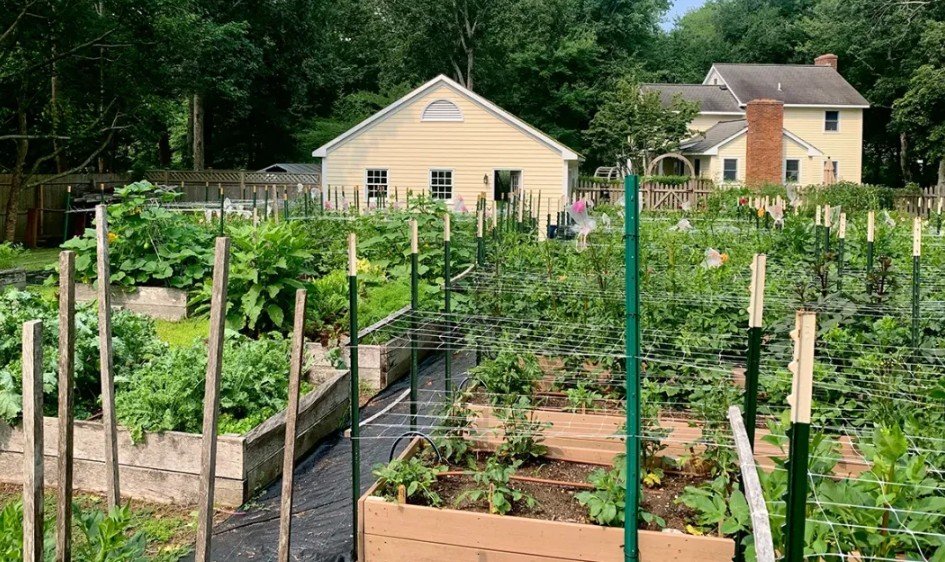
When I first heard about raised beds, I thought they were just a fancy trend for city gardeners. I was wrong. After building my first 4×8 raised bed from old pallet wood, I realized how much control it gave me.

For one, you can fine-tune the soil mix. I blend compost, topsoil, and coconut coir (it holds moisture without getting soggy). Raised beds also drain better, which means fewer root rot issues.

And if your land has heavy clay or rocky patches, raised beds are a lifesaver. You can start growing right away without waiting years to improve the ground.

Plus, they just look good. Clean edges, neat rows — a little structure goes a long way.

4. Drip Irrigation – My “Why Didn’t I Do This Sooner?” Moment

If you’ve ever hand-watered a large garden, you know it’s relaxing… for about 10 minutes. Then it becomes a chore. I used to water my whole plot with a hose until I realized half the moisture was evaporating before it hit the roots.

Installing a drip irrigation system was a game changer. It delivers water directly to the soil near the plant roots, reducing waste and keeping leaves dry (which prevents fungal diseases).

I set mine on a timer to run early morning for 20 minutes — that’s it. The system paid for itself in one season through lower water bills and healthier plants.

If you’re serious about gardening, this one’s non-negotiable.

5. Embrace Composting — Gold for the Garden

I used to think composting was messy. Truth is, if it smells, you’re doing it wrong. The trick is balancing “greens” (like food scraps, grass) and “browns” (like leaves, cardboard). I use a simple 3-bin system — one for fresh scraps, one for mid-decomposing material, and one that’s ready to use.

After a few months, what comes out looks like dark chocolate soil — rich, crumbly, and full of nutrients.

Sometimes, I even brew “compost tea.” I soak finished compost in a bucket of water for a day, strain it, and use it as a natural fertilizer. My tomatoes adore it.

6. Go Organic, Even if It’s Not Perfect

There’s a misconception that organic farming is expensive or complicated. I get it — the certification process can be, but the practice itself isn’t.

I stopped using chemical pesticides years ago. Instead, I rely on neem oil, insecticidal soap, and good old-fashioned hand-picking (yes, I’ve spent hours chasing cabbage worms — it’s oddly therapeutic).

You don’t need to be 100{c3f6f8308c5f5052e199c6c595290199e9f7cf4afce39fb671d32a7b0ead7289} organic to make progress. Even small steps — like avoiding synthetic fertilizers or rotating crops — can make a massive difference in soil health and yield.

7. Backyard Greenhouse Magic

One of the best investments I ever made was a small greenhouse — just 10×12 feet, nothing fancy. It lets me start seedlings early, extend the season, and experiment with crops that normally wouldn’t survive here.

In winter, I grow leafy greens and herbs in raised troughs. In early spring, I start my peppers and tomatoes while it’s still snowing outside.

Pro tip: paint a few stones black and place them near the plants. They absorb heat during the day and release it at night, keeping temperatures more stable.

8. Chickens: The Garden Helpers You Didn’t Know You Needed

For years, I thought chickens were just for eggs. Turns out, they’re incredible for pest control and soil aeration.

I built a small mobile chicken coop — we call it the “chicken tractor.” Every few days, I move it to a new section of the garden. The hens scratch up weeds, eat bugs, and leave behind natural fertilizer.

It’s a win-win: cleaner garden, healthier soil, and happy birds.

9. Try Aquaponics or Hydroponics (If You Like Techy Stuff)

I’ll admit, I was skeptical of aquaponics — growing plants and fish together in a closed system — but after setting up a small trial, I was hooked. The fish waste feeds the plants, and the plants clean the water.

My tilapia system only took a few weeks to balance, and I’ve harvested lettuce and basil year-round.

For anyone limited on space, hydroponics or aquaponics can produce crazy yields. Just be prepared to learn about water chemistry — pH, nitrates, ammonia, etc. It’s like gardening meets science fair, and honestly, it’s fun once you get the hang of it.

10. Integrate Pollinator Zones

One of the most underrated farm ideas is dedicating space for pollinators. A few years ago, I planted a strip of wildflowers along the fence line — lavender, sunflowers, coneflowers, and zinnias.

Within weeks, the bee activity doubled. My cucumbers and squash yields improved noticeably. I even spotted monarch butterflies, which hadn’t visited in years.

So if you can, let a few corners go wild. Pollinators are the quiet workforce of your garden, and they deserve the VIP treatment.

11. Farm-to-Table Mindset

Even if you’re not selling produce, think like a farm-to-table grower. Plan your crops around what you actually eat.

I used to grow rows of turnips just because they were “easy.” Problem was, no one in my house liked them. Now I plan based on meals — tomatoes for sauces, peppers for grilling, herbs for cooking. Nothing goes to waste, and it feels more intentional.

12. Smart Crop Rotation

Every season, rotate where you plant different crops. This keeps the soil balanced and breaks pest cycles.

Here’s my basic system:

  • Year 1: Legumes (beans, peas) to add nitrogen.
  • Year 2: Leafy greens and root crops.
  • Year 3: Fruiting crops like tomatoes and peppers.

It’s simple but effective. I mark my plots with stakes and jot down what was planted where in a little notebook — nothing fancy, but it saves me headaches later.

13. Rainwater Harvesting – Cheap and Smart

Installing a rain barrel was one of those “why didn’t I do this sooner” moments. I attached it to the gutter on my shed and added a spigot at the bottom. During the rainy season, it fills up fast, and that free water keeps my garden thriving even during dry spells.

If you’re in a place that allows it, rainwater harvesting is a no-brainer. Plants love it because it’s free of chlorine and chemicals.

14. Keep a Garden Journal

This one sounds boring, but it’s gold. I jot down what I plant, when I plant it, how the weather behaves, what pests show up, and what fails miserably.

After a few seasons, you start to notice patterns. For instance, I learned that planting zucchini before mid-May almost always ends in frost damage. Now, I wait.

It’s these little notes that turn you from a gardener into a real grower.

15. Stay Curious and Keep Experimenting

The best gardens are the ones that evolve. Every year, I try at least one new experiment — new compost mix, unusual seed variety, or different planting technique.

Last year, I tried growing sweet potatoes in containers — didn’t expect much, but they thrived. The year before that, I built a mini worm farm for vermicomposting, and now I can’t imagine gardening without it.

16. Mindset Matters More Than Tools

You don’t need expensive gear or fancy setups. I’ve seen incredible gardens grown with little more than buckets and determination.

What matters most is patience, observation, and care. Plants will tell you what they need — leaves curl, colors fade, growth slows — you just have to listen.

Some days the garden humbles you. Other days, it rewards you beyond measure. That’s what keeps me coming back.

17. A Few Mistakes I’ll Never Repeat

Because hey, it’s not all sunshine and harvests. Here are a few blunders I’ve made so you don’t have to:

  • Overwatering seedlings. They need damp, not drenched.
  • Ignoring crop spacing. Crowded plants fight for nutrients.
  • Skipping mulch. That one summer, weeds took over and I swore never again.
  • Not rotating crops. My peppers got hit with nematodes. Lesson learned.

Failure’s just part of the process. What matters is learning and laughing through it.

18. The Joy of Sharing Your Harvest

If you’ve ever handed a neighbor a basket of homegrown veggies, you know the feeling. There’s something pure about it — connecting people through food you grew with your own hands.

I’ve made lifelong friends just by swapping produce and garden stories. It reminds me that agriculture isn’t just about plants — it’s about community.

19. The Big Picture: Sustainability and Legacy

When I think about fresh farm garden ideas, I’m not just thinking trendy techniques. I’m thinking legacy — something that lasts. Whether you’re working one raised bed or fifty acres, the goal’s the same: grow food responsibly, enrich the soil, and leave it better than you found it.

Sustainability isn’t about perfection. It’s about progress — composting a little more, wasting a little less, teaching a neighbor what you know.

20. Final Thoughts

If there’s one thing decades of farming have taught me, it’s that the best gardens aren’t the prettiest — they’re the ones that feed, teach, and inspire.

Every mistake becomes a story, every harvest a celebration. Agriculture isn’t a job; it’s a relationship with nature — a long, patient, rewarding one.

So, start small. Dream big. Keep your hands dirty, your compost warm, and your curiosity alive. The garden will do the rest.