Emerging Agricultural Research Trends Shaping the Future of Farming

Emerging Agricultural Research Trends Shaping the Future of Farming

I. Emerging Agricultural Research Trends Shaping the Future of Farming

Agriculture is entering one of the most transformative periods in its history. As global populations rise, climate pressures intensify and natural resources become increasingly constrained, researchers worldwide are racing to develop smarter, more resilient, and more sustainable farming solutions. These innovations aren’t abstract concepts—they’re shaping the future of how we grow, harvest and manage food systems.

In this article, we’ll explore the most important emerging agricultural research trends and examine how they are paving the way toward a more productive and sustainable agricultural future.

II. Climate-Resilient Crop Development

As climate change intensifies, developing crops that can withstand extreme environmental stresses has become one of the most critical areas of agricultural research. Unpredictable weather patterns, prolonged droughts, rising temperatures and increased salinity are already affecting global food production. To secure future harvests, scientists are working to create crop varieties capable of thriving under these challenging conditions.

A. Advances in Genetic Engineering

Breakthroughs in genetic tools—most notably CRISPR gene editing—are enabling researchers to precisely modify plant DNA to enhance resilience. Unlike conventional breeding, which may take decades, modern gene-editing technologies allow scientists to identify and alter specific genes responsible for stress tolerance. This accelerates the development of crops that can handle climate-induced challenges.

B. Drought-, Heat- and Salinity-Tolerant Varieties

Research programs worldwide are prioritizing crops that continue to grow and yield even when water is scarce or temperatures spike. Some key advancements include:

  • Drought-tolerant maize and wheat designed to remain productive with minimal water
  • Heat-tolerant rice varieties capable of surviving prolonged high temperatures
  • Salinity-resistant legumes and cereals that can grow in degraded or coastal soils
    These innovations are essential for regions already facing water scarcity and soil salinization.

C. Breeding for Pest and Disease Resistance

Climate change often triggers new pest infestations and expands the geographic range of existing ones. Scientists are now developing crop varieties with natural resistance to emerging pathogens and insect threats. Through hybrid breeding, molecular markers and genomic selection, researchers can quickly identify resilient traits and incorporate them into commercial crops. This reduces reliance on chemical pesticides and strengthens overall crop health.

D. Importance for Global Food Security

Climate-resilient crops aren’t just an agricultural milestone—they’re a foundation for global stability. As extreme weather becomes more frequent, stable crop yields will be essential for maintaining food supplies, preventing price volatility and supporting vulnerable farming communities. Research-driven crop varieties that can survive tough conditions will play a major role in sustaining food production for future generations.

III. Precision Agriculture & Data-Driven Farming

Precision agriculture has rapidly evolved from a futuristic concept into a fundamental pillar of modern farming. By leveraging digital technologies, data analytics and automated systems, farmers can now make informed decisions that significantly enhance productivity, reduce input costs and minimize environmental impact. Research in this field continues to expand, offering innovative tools that transform how we monitor, manage and optimize agricultural operations.

A. Growth of IoT and Sensor-Based Farming

The Internet of Things (IoT) is revolutionizing the farm environment by connecting devices, sensors and machines into a unified data ecosystem. Soil probes, moisture sensors, weather stations and nutrient monitors provide real-time insights into field conditions. These continuous data streams allow farmers to detect issues early—such as nutrient deficiencies or irrigation needs—enabling fast and accurate interventions that boost crop performance.

B. Drone and Satellite Monitoring Systems

Unmanned aerial vehicles (UAVs) and satellite imagery have become essential tools for modern agricultural research. Drones equipped with multispectral cameras offer detailed, high-resolution images that can reveal plant stress, pest infestations and field variability long before they are visible to the human eye. Satellite systems provide large-scale, repeatable data on crop growth and land use, making them especially valuable for large farms and government research programs.

C. AI-Driven Analytics and Yield Prediction

Artificial intelligence (AI) and machine learning algorithms analyze vast amounts of farm data to uncover patterns and generate actionable insights. AI-driven platforms can:

  • Predict yield outcomes with remarkable accuracy
  • Recommend optimal planting dates
  • Identify early signs of disease or nutrient stress
  • Suggest resource-efficient management strategies
    This level of predictive capability helps farmers plan ahead and optimize operations from planting to harvesting.

D. Precision Irrigation and Fertilization

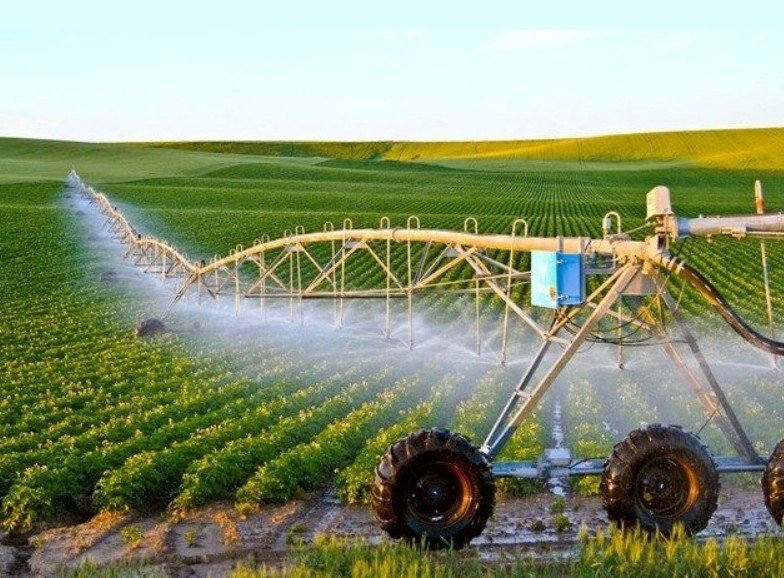
Water and fertilizer inputs can be costly—and when applied inefficiently, they can harm both crops and the environment. Precision agriculture research focuses on delivering the right amount of resources at the right time and place. Technologies such as drip irrigation automation, variable-rate fertigation and soil moisture analytics help reduce waste while ensuring that plants receive what they need to grow productively.

E. Benefits: Efficiency, Sustainability and Cost Reduction

The overarching impact of precision agriculture is transformative. By using accurate data and intelligent systems, farmers can:

  • Increase yields with fewer resources
  • Reduce fertilizer and pesticide use
  • Minimize water consumption
  • Lower overall production costs
  • Maintain environmental sustainability
    As climate and economic pressures intensify, the adoption of precision agriculture and data-driven tools will continue to rise, making it one of the most influential trends shaping the future of farming.

IV. Soil Health & Regenerative Agriculture Research

Healthy soil is the backbone of productive agriculture, yet decades of intensive farming have degraded soil quality in many regions. In response, researchers are intensifying efforts to understand soil ecosystems and promote regenerative practices that restore and enhance long-term soil fertility. This research is reshaping how farmers approach land management, emphasizing ecological balance, biodiversity and sustainability.

A. Soil Microbiome Discoveries

Recent advances in molecular biology have allowed scientists to study soil microbiomes in unprecedented detail. The soil microbiome—composed of bacteria, fungi, protozoa and other microorganisms—plays a critical role in nutrient cycling, plant growth and disease resistance. Research shows that boosting microbial diversity can improve soil structure, increase nutrient availability and enhance plant resilience. These findings are encouraging the development of new microbial inoculants and biological soil amendments.

B. Carbon Sequestration Research

Soil is one of the planet’s largest carbon sinks, and regenerative agriculture is proving to be an effective strategy for capturing atmospheric carbon. Studies are exploring how practices such as no-till farming, cover cropping and compost application increase organic matter content and lock carbon into the soil for long periods. This not only improves soil health but also supports global efforts to mitigate climate change by reducing greenhouse gas concentrations.

C. Regenerative Farming Practices

Regenerative agriculture focuses on rebuilding soil health through practices that work with natural systems rather than against them. Key research-backed methods include:

  • Cover cropping to minimize erosion and replenish nutrients
  • Reduced or no-till farming to preserve soil structure and microbial habitats
  • Diverse crop rotations to break pest cycles and enhance biodiversity
  • Agroforestry systems that enrich soil and create microclimates
    Studies consistently show that these practices lead to higher organic matter levels, better water retention and increased long-term productivity.

D. Improving Long-Term Productivity Through Soil Restoration

Healthy soils are more resilient to drought, erosion and nutrient loss. Research demonstrates that improving soil structure and biological activity can significantly increase crop yields over time while reducing reliance on synthetic fertilizers. As farmers adopt regenerative techniques, they often experience improved profitability due to lower input costs and enhanced soil performance.

V. Agricultural Biotechnology & Microbial Innovations

Agricultural biotechnology has entered a new era, offering powerful tools to enhance crop productivity, strengthen plant resilience and reduce reliance on chemical inputs. Alongside biotechnology, microbial innovations are emerging as sustainable solutions for boosting soil health and improving plant performance. Together, these breakthroughs are shaping a more efficient and environmentally friendly future for global agriculture.

A. Biofertilizers and Their Impact on Nutrient Uptake

Biofertilizers are becoming a vital component of sustainable farming systems. Instead of relying solely on synthetic fertilizers, researchers are developing microbial-based formulations that help plants access essential nutrients naturally. These beneficial microbes—such as nitrogen-fixing bacteria, phosphate-solubilizing organisms and mycorrhizal fungi—improve nutrient absorption and enhance root system development. Research shows that biofertilizers can significantly increase yields while reducing costs and minimizing nutrient runoff into the environment.

B. Biopesticides Reducing Chemical Inputs

Chemical pesticides have long been a concern due to their environmental and health impacts. In response, scientists are creating biopesticides derived from living organisms like bacteria, fungi and plant extracts. These biological agents target pests and diseases with precision, causing minimal harm to beneficial insects, soil organisms and surrounding ecosystems. Research-backed biopesticides offer a sustainable alternative that supports healthier crops, reduced chemical exposure and improved ecological balance.

C. Microbial Inoculants for Plant Strength

Microbial inoculants—sometimes called “probiotics for plants”—introduce targeted beneficial microbes into the soil or seed environment. These microorganisms can enhance plant tolerance to drought, salinity and other stressors. Some strains also trigger natural plant defense mechanisms, helping crops fight off pathogens more effectively. Ongoing research continues to identify new microbial species capable of improving plant resilience and boosting overall crop performance.

D. Synthetic Biology Applications

Synthetic biology is one of the most advanced fields transforming agricultural biotechnology. Researchers are engineering custom biological systems to solve specific agricultural challenges. Innovations include:

  • Plants engineered to fix atmospheric nitrogen
  • Microbes designed to produce bioactive compounds that suppress diseases
  • Crops modified for rapid growth or enhanced nutrient density
  • Biological sensors that detect environmental changes in real time
    These groundbreaking technologies push the boundaries of what is possible in sustainable food production.

E. Tissue Culture Advancements

Plant tissue culture plays a crucial role in the rapid propagation of improved crop varieties. Through sterile, controlled environments, scientists can produce disease-free planting materials on a large scale. This technique is especially important for high-value crops such as bananas, potatoes and ornamentals. Ongoing research is focused on optimizing tissue culture methods to reduce costs, increase scalability and maintain genetic stability in regenerated plants.

VI. Smart Greenhouses & Controlled Environment Agriculture

Smart greenhouses and controlled environment agriculture (CEA) are rapidly emerging as essential solutions to the challenges of climate change, resource scarcity and land degradation. By creating optimized, technology-driven growing environments, researchers and innovators are developing farming systems that ensure consistent, high-quality production regardless of external weather conditions. This shift is redefining what is possible in modern agriculture.

A. Rise of Hydroponics, Aquaponics and Aeroponics

Soilless farming techniques are central to CEA research. They allow crops to grow efficiently using significantly fewer resources:

  • Hydroponics delivers nutrients directly through water, leading to fast growth and reduced fertilizer waste.
  • Aquaponics integrates fish culture with plant production, creating a nutrient-rich, closed-loop system.
  • Aeroponics mists plant roots with nutrient solutions, offering some of the highest growth rates and water savings among modern systems.
    Researchers are continuously improving these systems to increase efficiency, reduce energy consumption and expand crop variety options.

B. Vertical Farming Research

Vertical farming uses stacked layers of crops in controlled indoor environments, maximizing production in minimal space. This approach is gaining attention in both urban and rural settings. Current research focuses on:

  • Optimizing plant density and spacing
  • Improving automated nutrient delivery systems
  • Enhancing airflow and humidity regulation
  • Reducing energy costs through smart design
    Vertical farms are becoming vital in regions with limited arable land, providing fresh produce close to urban consumers and reducing transportation emissions.

C. Automated Climate Control Systems

Automation is the backbone of smart greenhouse operations. Advanced climate control systems use sensors, AI and machine learning to maintain optimal growing conditions. These systems regulate:

  • Temperature
  • Humidity
  • CO₂ concentration
  • Ventilation
  • Light exposure
    By constantly analyzing environmental data, they adjust conditions in real time to support healthy, predictable plant growth.

D. LED Lighting Spectrum Optimization

Light is one of the most important factors in plant development, and modern research is exploring how different light wavelengths affect growth, flowering and nutrient composition. LED technology has made it possible to tailor light spectrums to specific crops and growth stages while significantly reducing energy consumption. Researchers are developing light recipes that:

  • Boost photosynthesis efficiency
  • Enhance flavor and nutritional value
  • Improve flowering and fruiting
  • Reduce energy costs in controlled environments

These innovations are making indoor farming economically viable on a larger scale.

E. Reducing Land and Water Dependency

One of the most significant advantages of CEA is its low resource requirement. Smart greenhouses can use up to 90{c3f6f8308c5f5052e199c6c595290199e9f7cf4afce39fb671d32a7b0ead7289} less water than conventional farming, and they eliminate the need for large tracts of arable land. By recycling water, capturing runoff and managing nutrients precisely, these systems ensure minimal waste. This makes CEA a highly promising solution for food production in arid regions, urban centers and areas affected by soil degradation.

VII. Robotics & Automation in Modern Farming

Robotics and automation are transforming agriculture by enhancing precision, reducing labor demands and streamlining repetitive tasks. As labor shortages intensify and the demand for higher productivity grows, researchers are developing advanced automated systems that can help farmers operate more efficiently. These technologies are redefining the way crops are planted, managed and harvested, paving the way for a more technologically advanced agricultural landscape.

A. Autonomous Tractors and Machinery

Autonomous tractors represent one of the most revolutionary advancements in farm mechanization. Equipped with GPS, sensors and AI navigation systems, these machines can perform tasks such as plowing, planting and spraying without human intervention. Modern autonomous machinery improves accuracy, reduces labor costs and operates efficiently even under challenging conditions. Research continues to enhance sensor precision, safety features and remote-control capabilities, making autonomous equipment increasingly practical for farms of all sizes.

B. Robotic Harvesting Systems

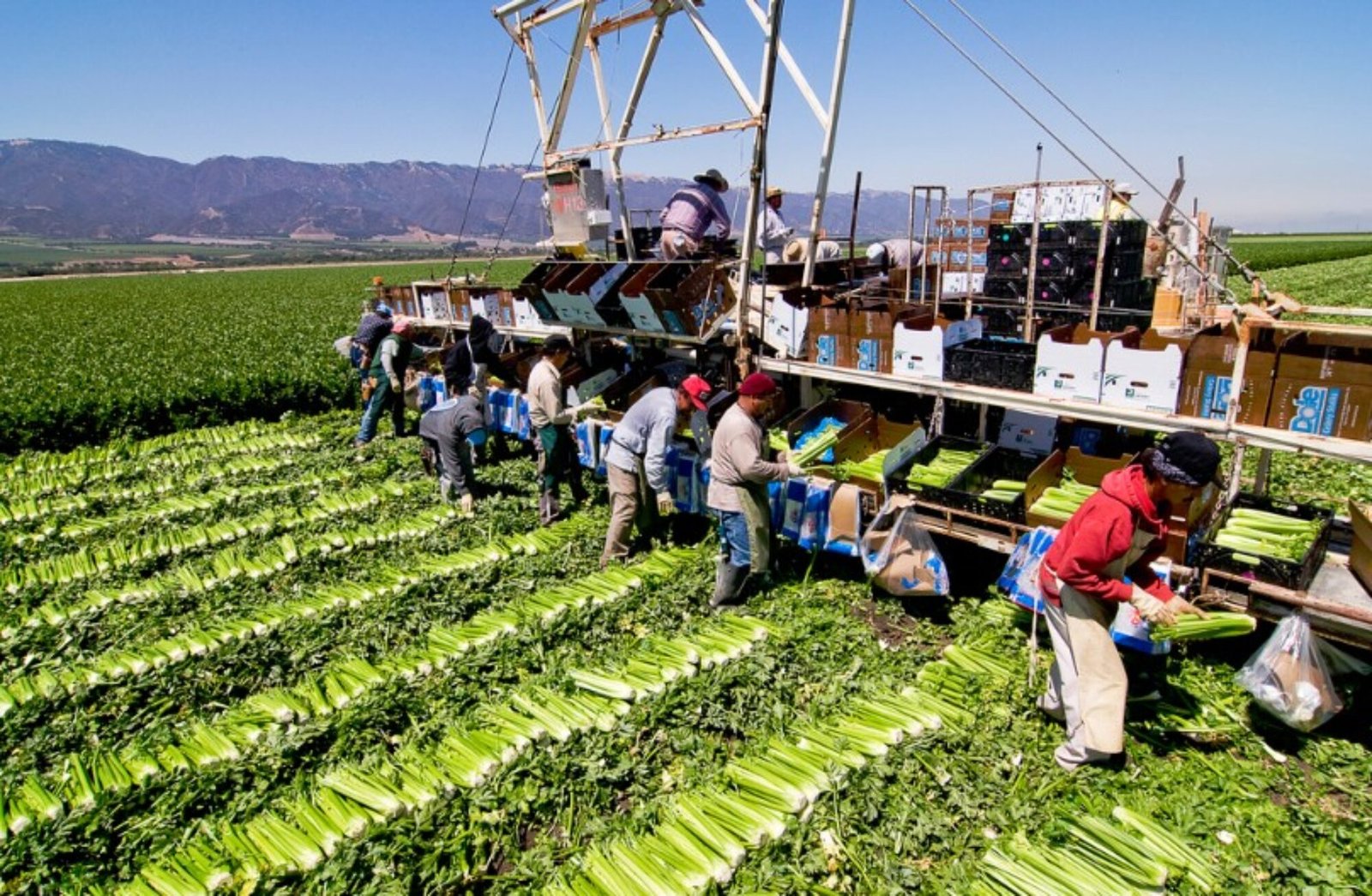
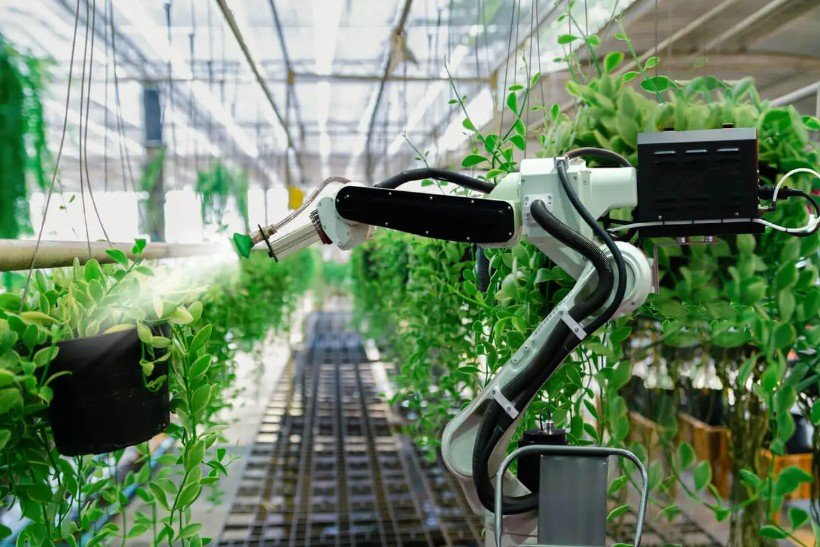
Harvesting is traditionally one of the most labor-intensive stages in agriculture. Robotic harvesters, however, are changing that by using vision systems, machine learning and robotic arms to pick fruits and vegetables with remarkable accuracy. These systems can work continuously and adapt to different crop varieties, reducing dependence on seasonal labor. Ongoing research aims to improve speed, handling sensitivity and adaptability to delicate crops such as berries, tomatoes and leafy greens.

C. AI-Powered Weed and Pest Control

Weed and pest management are critical to crop success, but chemical-heavy approaches pose environmental risks. Robotic systems equipped with AI and machine vision are emerging as effective alternatives. These machines can:

  • Detect and remove weeds individually
  • Apply micro-doses of herbicides
  • Use lasers or mechanical tools for weed elimination
  • Identify early signs of pest damage
    AI-based pest monitoring robots help reduce chemical use, lower costs and promote ecological balance by targeting only affected plants.

D. Drone-Based Spraying and Mapping

Drones continue to play an increasingly important role in modern farming. In addition to monitoring, they now support spraying and fertilization tasks. Equipped with advanced nozzles and precision-guidance systems, drones can apply treatments evenly and accurately, even in hard-to-reach areas. This improves efficiency, reduces exposure to chemicals and minimizes waste. Research is expanding drone capabilities to enhance payload, flight duration and autonomous decision-making in the field.

E. Addressing Labor Shortages Through Automation

One of the driving forces behind the rise of agricultural automation is the global labor shortage affecting farming communities. Robotics provide consistent, reliable labor that can operate around the clock. By automating repetitive and physically demanding tasks, these technologies allow human workers to focus on higher-skilled roles such as supervision, maintenance and strategic planning. This shift not only improves productivity but also helps stabilize agricultural supply chains.

VIII. Sustainable Agriculture & Circular Farming Systems

Sustainable agriculture and circular farming systems are at the forefront of efforts to build resilient food systems that protect the environment while maintaining productivity. As global challenges such as climate change, soil degradation and water scarcity intensify, researchers and farmers are embracing approaches that close resource loops, reduce waste and create long-term ecological balance. This shift represents a major transformation in how agriculture is conceptualized and practiced.

A. Zero-Waste and Closed-Loop Nutrient Cycles

One of the core principles of circular farming is minimizing waste by transforming byproducts into valuable resources. Research focuses on developing systems where:

  • Crop residues are converted into compost or biochar
  • Livestock manure becomes a nutrient-rich fertilizer
  • Water from aquaculture nourishes hydroponic crops
  • Food waste is used for biogas or soil amendments
    These closed-loop approaches improve resource efficiency, reduce pollution and enhance soil fertility while lowering overall production costs.

B. Integrated Farming Systems

Integrated farming combines crops, livestock, aquaculture and other components into a unified system where each element supports the others. Researchers have found that integrated farms can:

  • Increase biodiversity
  • Improve nutrient recycling
  • Reduce the need for synthetic inputs
  • Enhance farm resilience to pests and climate fluctuations
    Examples include rice–fish farming, agroforestry and crop-livestock rotation systems, all of which create more balanced agricultural ecosystems.

C. Water Conservation Technologies

Water scarcity is a significant threat to agriculture, and innovative water-saving strategies are essential for future food security. Research-backed water conservation techniques include:

  • Drip irrigation systems with automated controls
  • Rainwater harvesting and storage innovations
  • Soil moisture sensors for data-driven irrigation scheduling
  • Greywater recycling systems
    These methods ensure that farms use water responsibly while maintaining high crop productivity.

D. Eco-Friendly Pest Management

Sustainable pest management aims to protect crops without harming the environment. Research is driving the development of:

  • Biological control agents such as beneficial insects and microbes
  • Pest-resistant crop varieties developed through natural breeding
  • Pheromone traps that disrupt pest mating cycles
  • Botanical pesticides derived from natural plant compounds
    By reducing dependence on synthetic chemicals, these methods promote healthier ecosystems and safer food production.

E. Supporting Long-Term Ecological Balance

Sustainable agriculture is not only about immediate productivity—it’s about building systems capable of thriving for generations. Research shows that farms adopting sustainable practices:

  • Store more carbon in soil
  • Nurture diverse plant and animal species
  • Reduce erosion and preserve watersheds
  • Strengthen resilience against climate extremes
    By aligning farming with natural ecological processes, these approaches create a stable foundation for future agricultural production.

IX. The Future of Farming: What Lies Ahead

The future of farming is being shaped by rapid technological advancements, evolving environmental conditions and an increasing global demand for sustainable food production. As research continues to push boundaries, agriculture is entering a period of innovation unlike anything seen before. The coming decades will likely witness integrated systems, smarter technologies and global collaborations that ensure farming remains productive, resilient and environmentally sound.

A. Integration of Multi-Technology Systems

The next era of agriculture will be defined by the seamless integration of diverse technologies. Instead of using tools in isolation, farms will combine:

  • AI-powered analytics
  • Robotics and automation
  • Precision irrigation and fertilization
  • Controlled environment agriculture
  • Advanced genetics and biotechnology
    These interconnected systems will create smarter, more adaptive farms capable of responding to environmental challenges in real time. Integration will also enhance resource efficiency, crop quality and output consistency.

B. Scaling Innovations for Small and Large Farms

While many agricultural innovations begin in research institutions or large commercial operations, future efforts will focus on making these technologies accessible to farms of all sizes. This includes:

  • Low-cost sensor systems
  • Affordable drone monitoring tools
  • Open-source farm management software
  • Scalable renewable energy solutions
    Ensuring that smallholder farmers—who produce a significant portion of the world’s food—benefit from modernization will be key to boosting global food security.

C. Policy and Investment Trends

Government policies and private investments will play crucial roles in shaping the future of farming. Anticipated trends include:

  • Incentives for adopting sustainable and climate-smart practices
  • Greater funding for agricultural research and innovation
  • Expansion of digital infrastructure in rural areas
  • Public–private partnerships to accelerate technology adoption
    Supportive policies will enable farmers to transition more easily to advanced systems, while strong investment will drive continued breakthroughs in agricultural science.

D. The Role of Farmers, Researchers and Governments

The future of farming relies on collaboration across all sectors. Farmers will serve as innovators on the ground, applying new tools and practices. Researchers will continue developing science-backed solutions, while governments and organizations provide the framework for implementation. Effective collaboration will ensure that new agricultural technologies are not only created but also adopted widely and responsibly.

X. Conclusion

The landscape of agriculture is evolving at a pace never seen before, driven by groundbreaking research and innovations designed to address the urgent challenges of climate change, population growth and resource scarcity. From climate-resilient crops and precision farming tools to robotics, biotechnology and circular food systems, each advancement is helping shape a more sustainable and efficient future for global food production.

What becomes clear across all these emerging trends is that the future of farming will not rely on a single solution. Instead, it will emerge from the integration of diverse technologies, regenerative practices and data-driven strategies. Farmers will adopt smarter tools to optimize yields, scientists will continue uncovering new insights to improve crop performance and policymakers will support systems that make modern agriculture accessible to all—especially smallholder farmers who play a critical role in global food supply.

Ultimately, the innovations taking place today are more than just scientific milestones—they are building the foundation for a resilient agricultural ecosystem capable of feeding generations to come. As these research-driven trends continue to develop, the future of farming promises a world where food production is more sustainable, technologically advanced and prepared to withstand the challenges ahead.
Fruit Farming Tips: Lessons I’ve Learned the Hard Way (and the Sweet Way Too)

Fruit Farming Tips - agrifreshfarm

I still remember the first time I bit into a mango I’d grown myself. It wasn’t perfect—too fibrous, a little tart—but man, was it satisfying. There’s something deeply rewarding about watching a fruit tree grow from a tiny sapling to something that feeds your family and maybe even your community. But let me tell you, fruit farming isn’t as romantic as the photos online make it look. It’s sweat, patience, and a fair bit of trial and error.

Over the years, I’ve made mistakes that cost me both time and money, but I’ve also learned lessons that have turned my small fruit farm into a thriving, productive business. Whether you’re growing apples, bananas, or strawberries, I’ll share the fruit farming tips that have truly worked for me—and the ones I wish I’d known sooner.

1. Start Small and Learn Your Land First

One of my biggest mistakes early on? Going too big, too fast. I planted over 300 citrus trees before I even fully understood my soil type or rainfall patterns. Huge mistake. Half of them struggled because I didn’t match the crop to the soil’s pH or drainage.

If I could go back, I’d start with a small test plot—maybe 10 or 20 trees of different varieties. Observe how they perform. Check how your soil retains moisture, how sunlight hits different parts of your land, and how pests behave during different seasons.

Every piece of land has its own “personality.” Learn it before you scale up.

Pro tip: Get a soil test done before you plant anything. Most agricultural extension offices or local universities can do this for a small fee. It’s worth every penny.

2. Choose the Right Fruit for Your Climate

This one sounds obvious, but I’ve seen so many people ignore it. You can’t grow everything everywhere. I once tried to grow strawberries in a tropical area—bad idea. They hate humidity, and the constant rain caused mold faster than I could treat it.

The key is to work with your climate, not against it.

  • Tropical climates: Bananas, mangoes, papayas, pineapples, and guavas do great.
  • Temperate zones: Apples, pears, cherries, and plums thrive.
  • Dry or arid regions: Dates, pomegranates, and figs handle drought surprisingly well.

Don’t just think about temperature—consider rainfall, wind, and humidity too. I now grow passionfruit and dragon fruit on raised trellises to protect them from root rot during the rainy season.

3. Understand Your Soil Like It’s Family

Your soil is the heart of your farm. Seriously, it’s like your farm’s DNA. I used to treat it like dirt—literally—but now I baby it like gold.

The key factors to check:

  • pH level: Most fruit crops prefer slightly acidic soil (pH 5.5 to 6.5).
  • Drainage: Fruit trees hate “wet feet.” If water stands after a heavy rain, you’ll need to amend the soil or create raised beds.
  • Organic matter: Compost, compost, compost! It improves structure, feeds beneficial microbes, and helps hold nutrients.

I started using vermicompost (worm compost) about five years ago, and the difference was night and day. Healthier roots, sweeter fruits, and less disease.

Lesson learned: Never underestimate the power of healthy soil—it’s where 80{c3f6f8308c5f5052e199c6c595290199e9f7cf4afce39fb671d32a7b0ead7289} of your success lies.

4. Pick Quality Planting Material

Here’s a painful story: I once bought a batch of “grafted mango trees” from a cheap local supplier. They were actually seedlings—ungrafted. It took me two years to realize why they weren’t fruiting properly.

When buying planting material, always go for certified nurseries or trusted suppliers. Look for grafted or tissue-cultured plants of known, high-yielding varieties.

Grafted trees usually produce fruit faster and maintain the parent plant’s desirable traits. For example, my grafted guava trees started fruiting in 18 months, while the seed-grown ones took over three years.

5. Water Wisely (and Don’t Overdo It)

You’d think more water means healthier fruit trees, right? Wrong. Overwatering is one of the biggest mistakes beginner farmers make.

I used to water my orchard every day, thinking I was helping. Instead, I was suffocating the roots. Some trees developed fungal infections like root rot, and I lost several young saplings.

Now, I follow a deep but infrequent watering routine. I water thoroughly once or twice a week, depending on the weather, to encourage roots to grow deeper. Drip irrigation systems are game changers—they deliver water straight to the root zone and reduce waste.

If your farm is in a dry region, consider mulching. A thick layer of organic mulch (like dried grass or leaves) helps retain moisture and suppress weeds.

6. Pruning: The Secret to Bigger, Better Fruits

I used to be scared of pruning—like I was hurting the trees. Turns out, not pruning was the real harm. Overcrowded branches block sunlight and airflow, creating a breeding ground for pests and diseases.

Every season, I trim dead or crossing branches and shape my trees so sunlight can reach every fruit. This also helps the tree channel its energy into fewer, higher-quality fruits instead of hundreds of tiny ones.

Pro tip: Always prune during the dormant season for temperate fruit trees or after harvest for tropical ones. And never forget to disinfect your pruning tools!

7. Pest Control Without Killing Everything

Pests will find your fruit trees faster than you can say “organic.” I used to rely heavily on chemical sprays, but over time I noticed declining bee populations and poor soil health. That was my wake-up call.

These days, I use integrated pest management (IPM)—a mix of prevention, monitoring, and biological control. For example:

  • I plant marigolds around the orchard to deter nematodes.
  • I release ladybugs to control aphids naturally.
  • Neem oil sprays help with fungal diseases and soft-bodied insects.

It’s not about eliminating all pests, but maintaining balance. You want nature to work with you, not against you.

8. Fertilize Smartly, Not Excessively

Fertilizer isn’t magic dust. I used to dump it around like I was seasoning food—big mistake. Over-fertilization can burn roots, harm soil microbes, and even reduce fruit quality.

Now, I use a mix of organic compost, farmyard manure, and balanced NPK fertilizers (Nitrogen, Phosphorus, Potassium). The right ratio depends on your crop and growth stage.

For example:

  • During vegetative growth, I give higher nitrogen.
  • When flowering begins, I switch to more phosphorus and potassium.

Also, foliar feeding (spraying diluted nutrients on leaves) can be a lifesaver during stressful weather conditions.

9. Pollination: The Unsung Hero of Fruit Farming

I once wondered why my citrus trees were flowering but not fruiting. The culprit? Poor pollination.

Fruits like melons, apples, and mangoes rely on bees, butterflies, and even wind to transfer pollen. If your orchard lacks pollinators, consider adding bee boxes or planting flowering cover crops nearby.

A friend of mine planted sunflowers and wildflowers along his orchard’s edges, and his yields jumped by nearly 30{c3f6f8308c5f5052e199c6c595290199e9f7cf4afce39fb671d32a7b0ead7289}. Small changes like this can make a big difference.

10. Timing the Harvest (It’s Trickier Than It Sounds)

Harvesting too early or too late can ruin months of hard work. I learned that the hard way with pineapples—I harvested too soon, and the flavor was flat.

Each fruit has its own cues for ripeness:

  • Bananas show yellow streaks at the tips.
  • Mangoes emit a fruity aroma near the stem.
  • Apples develop a deeper blush color.

Keep notes on your harvest timings each year; that data becomes gold over time. I now use a notebook and phone photos to track the best harvest windows for each variety.

11. Post-Harvest Handling: Where Most Farmers Lose Money

I used to think the job ended when the fruit was picked. Boy, was I wrong. Handling fruit properly after harvest is what separates profitable farms from struggling ones.

Keep harvested fruit in a shaded, cool area immediately. Never pile fruits too high—pressure bruises them. If you’re selling commercially, invest in simple cold storage or even evaporative cooling chambers.

Sorting and grading are also essential. Consumers love uniformity—same size, same color, same shape. I learned that selling “Grade A” fruits separately can fetch double the price of mixed batches.

12. Market Before You Harvest

Marketing used to be my weakest link. I’d harvest, then panic trying to sell everything before spoilage. Now, I start talking to buyers months in advance—restaurants, fruit stalls, or even online marketplaces.

I also experimented with value-added products like dried mangoes and guava jam. Those became bestsellers and helped me survive low-price seasons.

Lesson learned: Always think about your market before planting or harvesting. The best fruit in the world means little if no one’s ready to buy it.

13. Keep Records Like Your Farm Depends on It (Because It Does)

This might sound boring, but record-keeping changed everything for me. I track planting dates, fertilizer applications, pest outbreaks, and yields.

After two years of doing this, I started spotting patterns—like which fertilizer combinations boosted yield or which months brought the worst pest attacks.

It’s not fancy data science—just a notebook and consistency. But that’s how you turn farming into a predictable business, not just guesswork.

14. Embrace Technology, Even If You’re Old School

I used to roll my eyes at apps and digital tools. Now, I use a farm management app to track irrigation, monitor soil moisture, and even detect early pest infestations with sensors.

If you can’t afford fancy tech, use free tools like Google Sheets for record-keeping or YouTube to learn pruning techniques. The farming world is evolving—either we adapt, or we get left behind.

15. Patience, Passion, and Perseverance

Fruit farming will test you. There will be droughts, pests, market crashes, and days you’ll question why you ever started. But when you taste that first perfect fruit you nurtured yourself—it’s pure joy.

Don’t chase quick results. Fruit trees take time to mature, just like the farmers who grow them. Celebrate small wins. Learn from failures. And above all, stay curious. Every season brings new lessons.

Final Thoughts: The Sweet Rewards of Persistence

Looking back, fruit farming taught me more about life than any book could. It’s about balance—between control and surrender, patience and action, giving and receiving.

My orchard isn’t perfect, but it’s alive, vibrant, and full of stories. And if you’re reading this because you’re thinking about starting your own fruit farm, here’s my best advice: just start. You’ll mess up. You’ll learn. And someday, you’ll bite into your own imperfect but homegrown fruit—and smile, knowing it was all worth it.

Key Takeaways

  • Test your soil before planting anything.
  • Match your crop to your climate and soil type.
  • Invest in good planting material—it pays off.
  • Practice deep watering and prune regularly.
  • Use organic pest management for long-term health.
  • Track everything and build relationships with buyers early.

Ditch the Day Job, Dig the Dream: Your No-Nonsense Guide to Starting a Farm (Even in Virginia!)

Modern Farming Methods of Agriculture

Introduction: The Dirt Under My Fingernails

I remember the day I decided I was going to be a farmer. It wasn’t some romantic scene out of a movie; it was a Tuesday, and I was stuck in a soul-crushing commuter jam on I-66 outside D.C., watching the green flash by. I was in a suit, sweating, listening to a podcast about sustainable agriculture, and suddenly I thought, “I need to be in that green.” I had a decent job as a digital marketing consultant right here in Virginia, but my heart was hungry for something real, something that connected me to the land and my food.

Now, let me be clear: I didn’t grow up on a farm. I didn’t inherit a hundred acres in the Shenandoah Valley. My first farm was a quarter-acre plot I leased from a friendly church in Fauquier County. My first crop was a miserable failure of overcrowded kale and zucchini that went rogue. I thought How to Start a Farm was just about buying seeds and digging. I was wrong. It’s about being a small business owner, a soil scientist, a marketer, and, yes, a weather worrier. But if I, a former desk jockey, can learn to make a go of it right here in the Commonwealth, then you can too. This guide is built on my mistakes, my triumphs, and the hard-won knowledge I’ve gained getting dirt under my fingernails instead of toner on my hands. Let’s get you started.

Part 1: What Exactly Is Farming Anyway?

Before you run out and buy a pitchfork, let’s nail down the basics. When we talk about farming, we’re not just talking about plowing a field anymore.

The Definition and Meaning

At its core, agriculture is the science, art, and practice of cultivating plants and livestock. But for a modern beginner, farming is something deeper: it’s the management of a biological system for commercial output. It’s an entrepreneurial endeavor where your primary inventory is a living, breathing thing that relies on sun, water, and well-managed soil.

Farming today means:

  • Resource Management: Efficiently using land, water, and labor.
  • Risk Mitigation: Battling pests, disease, and, most of all, unpredictable weather.
  • Market Strategy: Knowing who you’re selling to and what they’re willing to pay for.

The meaning of “farmer” has evolved from a subsistence provider to a high-tech agri-business owner who often uses drones, soil sensors, and complex market analysis just to stay afloat.

A Quick History Lesson: From Hunter-Gatherer to High-Tech Grower

Understanding the history is important because it shows us how fast things are changing. For the first 99{c3f6f8308c5f5052e199c6c595290199e9f7cf4afce39fb671d32a7b0ead7289} of human history, we were hunter-gatherers. Then, around 10,000 BCE, the Neolithic Revolution hit.

The earliest evidence of deliberate cultivation popped up in the Fertile Crescent (modern Middle East), where people started domesticating crops like wheat (Emmer and Einkorn) and barley. This shift—from constantly moving to settling down—is the biggest story in human history. It allowed for villages, then cities, and eventually civilization as we know it.

Fast forward through ancient civilizations like the Egyptians (relying on the Nile’s floods for irrigation) and the Chinese (developing iron plows and sophisticated row cultivation), and you hit the Industrial Revolution. This is when things really sped up, thanks to machinery, synthetic fertilizers (like the game-changing Haber-Bosch process for nitrogen), and selective breeding. Suddenly, fewer farmers could feed way more people.

Now, we’re in the Digital Agriculture Revolution. This is where you, the beginner farmer, come in. We’re moving beyond just big machinery to smart, data-driven farming that can be done on a smaller, more intensive scale.

Part 2: The Future is Now: Modern Farming Trends & Virginia Insights

Forget the image of Old MacDonald’s farm; modern agriculture is about high-efficiency systems. As a content creator, you need to be talking about these trends because they’re the new pathway to profitability and sustainability for small-scale operations.

8 Modern Farming Methods of Agriculture

To be competitive, you need to understand the 8 Modern Farming Methods of Agriculture that are revolutionizing the industry:

Method What It Is Why It Matters for Beginners
1. Precision Agriculture Using technology (GPS, sensors, drones, software) to observe and respond to spatial variability within a field. Saves money by reducing fertilizer/pesticide waste through Variable Rate Application (VRA).
2. Hydroponics Growing plants using mineral nutrient solutions in water, without soil. Allows for year-round, high-density production in controlled environments (like a garage or basement).
3. Aeroponics Growing plants by suspending the roots in the air and misting them with nutrient solution. Uses the least amount of water; produces high-value leafy greens and herbs quickly.
4. Vertical Farming Growing crops in vertically stacked layers, often indoors (using hydroponics/aeroponics). Maximizes space in urban agriculture settings, like in cities or suburbs, completely controlling the climate.
5. Aquaponics A symbiotic system combining aquaculture (raising fish) and hydroponics (growing plants). Creates a self-sustaining loop where fish waste feeds plants, and plants filter the water for the fish.
6. Permaculture/Agroecology Designing sustainable, self-regulated ecosystems using natural patterns. Focuses on long-term soil health, biodiversity, and reducing external inputs (like synthetic fertilizers).
7. No-Till/Conservation Tillage Growing crops without disturbing the soil (or disturbing it minimally) to prevent erosion and build soil organic matter (SOM). Greatly improves soil health and water retention, which is crucial for drought resilience.
8. Integrated Pest Management (IPM) A holistic approach to pest control using mechanical, biological, and chemical controls only when necessary. Reduces reliance on expensive chemical sprays, making produce safer and cutting costs.

My own farm uses No-Till practices combined with Precision Agriculture concepts (using a simple NDVI map from a drone service to scout for problem areas). You don’t have to go all-in on a multi-million-dollar vertical farm!

Virginia Agricultural Trends & Government Support (2025 Outlook)

If you’re starting a farm in Virginia, you’re entering a challenging but exciting landscape. The latest data from the USDA and the Virginia Department of Agriculture and Consumer Services (VDACS) paints a clear picture:

  1. Consolidation and Aging: The number of small farms in Virginia is declining, and the average age of a Virginia farmer is now around 59.2 (2022 Census data). This means two things: land access is tough, but there’s an urgent need for new, younger farmers!
  2. Specialization & High-Value Crops: While large farms handle commodities like poultry (Virginia is a major producer of broilers and turkeys) and cattle, small beginner farms are thriving by specializing in high-value, direct-to-consumer goods:
    • Specialty Produce: Heirlooms, microgreens, and unique ethnic vegetables.
    • Agritourism: Farm stands, pick-your-own operations, and farm-to-table dinners.
    • Value-Added Products: Jams, cheeses, meats, and craft beverages.
  3. Controlled Environment Agriculture (CEA): Virginia has aggressively courted CEA companies (like those doing vertical farming) with economic incentives. This is a massive area for job growth and new technology, especially around Richmond and the Hampton Roads area.

Crucial Government Updates for Beginners (2025)

The federal government, through the USDA’s Risk Management Agency (RMA) and Farm Service Agency (FSA), has recently enhanced support for new producers. These updates, stemming from the extended Farm Bill and recent legislation, are essential if you want to be a financially responsible farmer:

  • Enhanced Crop Insurance: Beginning farmers and ranchers (defined as operating for less than 10 years) now receive substantially increased premium support on Federal Crop Insurance. This means significantly lower costs for protecting your first crops, which is huge for managing risk. Pro Tip: Always check with your local FSA office for the most current deadlines for programs like NAP (Noninsured Crop Disaster Assistance Program) if you can’t get traditional crop insurance.
  • Access to Capital: FSA continues to offer Farm Ownership Loans and Farm Operating Loans, often with more favorable terms and down payment requirements for beginning farmers who are otherwise struggling to get financing from commercial banks.
  • Conservation Funding: Programs like the Environmental Quality Incentives Program (EQIP) from the Natural Resources Conservation Service (NRCS) can provide cost-share money to implement conservation practices like cover cropping, fencing, or irrigation—practices that save you money in the long run!

Part 3: Beginner Farmer Q&A: Your Top Worries Answered

When I started my blog, these were the questions I got every single day. Let’s clear the air.

Q: How much land do I actually need to start a farm?

A: Honestly, less than you think. This depends entirely on your focus. If you’re growing specialty crops for a CSA (Community Supported Agriculture) or farmer’s market, you can be profitable on less than one acre using intensive methods like bio-intensive farming or vertical farming. My first viable income stream came from a half-acre plot. For livestock, you’ll need more—a general rule for cattle is about 1.5 to 2 acres per head of cow/calf unit, but this varies wildly by region and soil quality. Start small and grow your business knowledge first.

Q: What is the first step I should take?

A: Not buying land or a tractor. The very first step is writing a detailed Farm Business Plan. This plan forces you to answer the hard questions: What will you grow? Who is your target consumer? What is your cost of production? How will you market it? Lenders (and your local USDA office) will require this anyway, so get it done first.

Q: How can I find affordable farmland in Virginia?

A: Land is expensive, especially near urban areas. Most beginners start by leasing or renting land. Look into land-matching programs run by state or non-profit agricultural groups. Also, consider reaching out to established, older farmers. With the average age being so high, many are looking for younger people to lease a portion of their land or even enter into a succession plan. Don’t be afraid to ask!

Q: Is organic certification worth the trouble for a new farmer?

A: Not usually right out of the gate. Organic certification is a long, expensive process (a minimum 3-year transition period is required). Start by farming organically (using agroecology principles, avoiding synthetic chemicals) and market your produce as “naturally grown” or “spray-free”. Once you have a customer base and stable cash flow, then consider the official USDA Organic Certification to command the price premium.

Q: How do I deal with the physical labor?

A: It’s tough, no doubt. But modern farming is smart labor. Focus on systems and efficiency. Invest in the right-sized, ergonomic tools (like a quality broadfork for no-till beds). Use automation for tedious tasks if possible (simple drip irrigation timers, for instance). My secret? Stretch every morning and accept that you’ll be tired. Also, find a farming mentor—they have the shortcuts!

Part 4: The Real Talk: Blogger’s Tips and Expert Advice

Okay, let’s move past the textbook and get into the real-world advice I learned the hard way.

Tip 1: Be a Market Farmer, Not Just a Producer

The biggest mistake I made when I started was growing what I wanted to eat (too much cabbage!) instead of what my customers would pay a premium for. You are a marketing business that happens to farm.

  • Go Niche: Don’t grow corn and soybeans unless you have thousands of acres. As a beginner, focus on high-value, high-turnover crops. Think gourmet garlic, specialty mushrooms, microgreens (they have a crazy fast turnaround), or cut flowers. I found that my biggest profit margin came from premium, heirloom tomatoes sold directly to restaurants.
  • Know Your Channels: You must diversify where you sell. Don’t rely on just one farmer’s market. Aim for three channels: a CSA, a farm stand, and restaurant sales. If one channel has a bad month, the others can cover you.

Tip 2: Soil Health is Your Balance Sheet

If your soil health is poor, everything else—from water retention to pest pressure—will be a headache. You can’t just throw fertilizer at the problem.

  • Test and Interpret: Get a comprehensive soil test from the Virginia Tech Cooperative Extension office. Don’t just look at the N, P, K numbers; look at the cation exchange capacity (CEC) and organic matter (OM). Anything below 3{c3f6f8308c5f5052e199c6c595290199e9f7cf4afce39fb671d32a7b0ead7289} (OM) is a red flag.
  • Cover Crops are Essential: This is your golden ticket. Use cover crops (like rye, vetch, or crimson clover) in your off-season. They prevent erosion, build OM, suppress weeds, and sequester carbon. When I started using a high-biomass cover crop mixture, my need for purchased compost dropped by 40{c3f6f8308c5f5052e199c6c595290199e9f7cf4afce39fb671d32a7b0ead7289} in two years—that’s a huge cost saving.
  • Embrace the EC Map: As I mentioned earlier, even simple tools that map soil electrical conductivity (EC) can help you see where your soil is sandy versus clay-heavy. This is the first step toward precision farming and ensures you’re not overwatering or over-fertilizing your whole plot.

Tip 3: Don’t Buy Big Iron (Yet)

That gleaming, powerful tractor looks great in the movies, but it’s a huge debt sink. As a beginner focusing on small-scale intensive farming, you need right-sized tools.

  • Used is Your Friend: Buy a used walk-behind tractor for tillage (if you must) and bed-forming. For most market gardening, hand tools like the broadfork, wheel hoe, and simple tilth rakes are more efficient and less damaging to the soil.
  • Prioritize Infrastructure Over Machinery: The things that make your daily life easier are more important than a big plow. Invest first in reliable irrigation (drip tape!), a good wash/pack station, and cold storage. A simple cool bot for a used walk-in cooler can save thousands of dollars in spoiled produce.

Tip 4: Leverage the Digital Agriculture Boom

The trend in the 8 Modern Farming Methods of Agriculture is about data. You need to use it.

  • Digital Record Keeping: Ditch the paper notebook. Use a simple spreadsheet or a cheap farm management app to track everything: inputs (seeds, fertilizer), harvest pounds, sales prices, and labor hours per crop. This data tells you what’s profitable and what’s a waste of time. I kept planting that darn cabbage for three years before the data finally screamed at me that it was a loss leader!
  • Social Media is Your Farm Stand: Your customers want to know the story behind their food. Use your blog and social media to share the daily struggle—the authentic experience. Post about the joy of a good harvest, the frustration of a pest outbreak, and the process of no-till planting. This is your direct-to-consumer marketing, and it builds trust and brand loyalty that your competitors can’t touch.

I promise you, starting a farm is less about the grand vision and more about the tiny, smart, daily decisions—decisions made with a solid business plan, good soil data, and a clear market focus.

Conclusion: Get Started!

So, there you have it. The journey from staring at I-66 traffic to harvesting a row of plump heirloom tomatoes here in Virginia was long, but it was the best decision I ever made. The keywords here are clear: How to Start a Farm is about being smart and using the 8 Modern Farming Methods of Agriculture to your advantage. Focus on specialty crops, prioritize soil health through techniques like no-till, leverage the incredible government programs for beginners, and, most importantly, run your farm like a lean, mean, market-focused machine.

Ready to dig in? What’s the first step you’re going to take this week? Drop a comment below and tell me what you plan to grow!