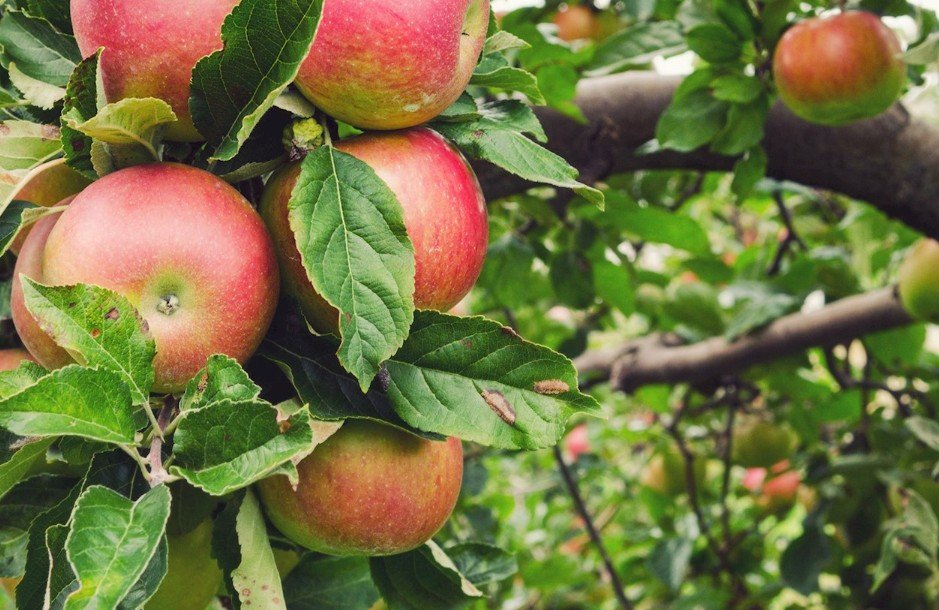
I still remember the first time I bit into a Honeycrisp apple and just stood there chewing like an idiot.
It was loud, juicy, and honestly a little shocking, like the apple had something to prove.
I’ve been around apples most of my life, but that crunch stopped me in my tracks.
Back then, I thought a good apple was just a good apple.
Firm, sweet enough, not mushy, and you move on with your day.
Honeycrisp changed that thinking real quick, and over the years, I’ve learned they’re both a blessing and a headache.
This article is everything I wish someone had told me earlier about Honeycrisp apples.
The good, the frustrating, the picky growing habits, and why people will happily pay more for them anyway.
If you’re growing them, selling them, or just obsessed with eating them, this is for you.
What Makes Honeycrisp Apples Different From Other Apples
Honeycrisp apples are not just another red apple with fancy marketing.
They’re structurally different on the inside, and that’s where the magic comes from.
The cells are larger and burst easier, which is why you get that explosive crunch and juice.
I didn’t understand this at first.
I kept comparing them to Gala and Fuji, wondering why Honeycrisp bruised easier but tasted better.
Turns out, those big cells are fragile, and they don’t forgive rough handling.
Flavor-wise, Honeycrisp sits in a sweet-tart balance that hits a lot of people just right.
Not too sugary, not mouth-puckering sour, just clean and refreshing.
That balance is why they work for fresh eating, baking, and even salads.
Another thing people notice is texture.
Honeycrisp stays crisp longer than many varieties when stored correctly.
But and this is a big but, storage mistakes will ruin them fast.
The Origin Story Most People Don’t Talk About
Honeycrisp apples didn’t come from some ancient orchard tradition.
They were developed at the University of Minnesota, and cold weather played a big role.
This matters more than folks realize.
Cold-hardiness is baked into Honeycrisp genetics.
They were made to survive harsh winters, not just look pretty on a shelf.
That’s why they perform best in cooler climates.
I’ve seen growers struggle when trying to push Honeycrisp into the wrong regions.
Too much heat and stress leads to poor color, bitter pit, and soft texture.
The apple will grow, but it won’t shine.
Knowing where Honeycrisp comes from helps you understand why it acts the way it does.
It’s not stubborn, it’s just built for specific conditions.
Respect that, and it rewards you.
Growing Honeycrisp Apples: My Hard Lessons
I’ll be honest, Honeycrisp apples taught me humility.
I assumed experience with other apples would transfer smoothly.
It did not.
Honeycrisp trees are picky about nutrients, especially calcium.
Miss the balance, and you get bitter pit, which looks awful and tastes worse.
I lost a whole chunk of a crop once before I fully understood that.
They also tend to overproduce.
At first, that sounds great, but it’s not.
Too many apples means smaller fruit, poor color, and stressed trees.
Thinning is not optional with Honeycrisp.
You skip it or do a half-hearted job, and you’ll pay later.
I learned to thin early and aggressively, even when it hurts emotionally.
They also don’t love heavy pruning mistakes.
Cut too hard, and they respond weird the following year.
I now prune with more patience than confidence, and it works better.
Soil Requirements for Honeycrisp Apples
Soil health matters for all apples, but Honeycrisp takes it personally.
They need good drainage, balanced nutrients, and consistent moisture.
Sloppy soil management shows up fast in fruit quality.
I’ve had the best results in loamy soil with decent organic matter.
Heavy clay gave me problems with root stress and nutrient uptake.
Sandy soil needed more frequent irrigation and careful fertilization.
Calcium availability in the soil is critical.
Not just total calcium, but how accessible it is to the tree.
Too much nitrogen can actually block calcium uptake, which surprised me.
Soil testing became non-negotiable after a few rough seasons.
Guessing costs money, and apples don’t wait for you to figure it out.
A simple soil test saved me years of trial and error.
Irrigation Mistakes That Cost Me Quality
Water stress and Honeycrisp do not mix well.
Inconsistent watering leads to size issues and internal breakdown.
I learned this the hard way during a dry stretch.
Overwatering isn’t good either.
Roots need oxygen, and soggy soil invites disease.
Balance is the name of the game.
Drip irrigation worked best for me.
It kept moisture consistent without flooding the root zone.
Once I dialed that in, fruit quality improved noticeably.
Timing matters more than volume.
Steady moisture during fruit development is key.
Letting trees dry out and then flooding them is a recipe for problems.
Pest and Disease Challenges With Honeycrisp
Honeycrisp doesn’t have magical immunity.
In fact, it can be more sensitive to certain issues than other varieties.
Apple scab and fire blight are always watching.
I used to react too late.
Waiting until symptoms showed up is already a loss.
Preventive management made a big difference.
Integrated pest management helped keep things under control.
Monitoring, targeted sprays, and good airflow reduced pressure.
Blanket spraying just stressed trees and wasted money.
Codling moth damage hurt Honeycrisp sales more than other apples.
Customers expect perfection when paying premium prices.
One worm hole, and the apple gets rejected.
Why Honeycrisp Apples Are So Expensive
People ask me this all the time.
They think growers are just cashing in.
If only it were that simple.
Honeycrisp apples cost more to grow.
Lower yields, more labor, more thinning, and higher losses.
Every step requires more attention.
They bruise easier during harvest and packing.
That means slower handling and more careful storage.
Speed kills quality with Honeycrisp.
Storage losses are also higher if conditions aren’t perfect.
Temperature, humidity, and oxygen levels all matter.
One mistake can wipe out months of work.
When you factor all that in, the price starts making sense.
Growers aren’t getting rich; they’re managing risk.
The consumer is paying for consistency and quality.
Harvest Timing: The Make-or-Break Moment
Harvest timing for Honeycrisp is unforgiving.
Pick too early, and flavor suffers.
Pick too late, and storage life drops.
I learned to rely on more than just color.
Starch tests, firmness checks, and taste all matter.
Rushing harvest cost me shelf life early on.
Honeycrisp often needs multiple picks.
Not all apples mature at the same time.
This adds labor but improves overall quality.
That extra effort shows in the eating experience.
A properly harvested Honeycrisp is hard to beat.
A rushed one is just expensive disappointment.
Storing Honeycrisp Apples Correctly
Honeycrisp storage is tricky.
They don’t behave like every other apple.
Cold storage helps, but too cold causes issues.
Chilling injury is a real risk.
I lost fruit early by storing them too cold too fast.
Now I step temperatures down gradually.
Controlled atmosphere storage works wonders if done right.
Lower oxygen slows respiration and preserves texture.
But mistakes are costly, so monitoring is critical.
Even with perfect storage, Honeycrisp has limits.
They’re not meant for year-long storage like some varieties.
Knowing when to sell is just as important as knowing how to store.
Eating Honeycrisp Apples: Why People Love Them
From a consumer standpoint, Honeycrisp is easy to love.
That crunch is addictive.
It sounds silly, but texture matters.
The juice content is high without being messy.
Sweetness is clean, not syrupy.
Acidity keeps it refreshing.
They work raw better than cooked, in my opinion.
Baking softens that signature crunch.
Still tasty, just different.
Sliced Honeycrisp browns slower than some apples.
That makes it great for salads and snacks.
Small detail, big convenience.
Nutritional Value of Honeycrisp Apples
Honeycrisp apples are nutritionally similar to other apples.
They’re not a superfood miracle, and that’s okay.
Fiber, vitamin C, and antioxidants are the main benefits.
The fiber supports digestion and gut health.
Most of it is in the skin, so don’t peel unless you must.
I learned that after years of lazy peeling.
They’re low in calories and fat-free.
Good for snacks without guilt.
That’s part of their wide appeal.
What they really offer is consistency.
People actually enjoy eating them regularly.
That’s nutrition through habit, which matters.
Common Honeycrisp Problems Consumers Notice
Sometimes people complain about mealy Honeycrisp apples.
That usually comes from poor storage or late harvest.
It’s not how the apple should be.
Bitter pit is another issue.
Those little brown spots ruin the experience.
That goes back to calcium management in the orchard.
Internal browning can happen too.
Often from improper storage conditions.
Most consumers never see the behind-the-scenes causes.
When Honeycrisp is good, it’s amazing.
When it’s bad, people lose trust fast.
Consistency is everything with premium apples.
Tips I’d Give Anyone Working With Honeycrisp Apples
Respect the variety.
Don’t treat it like every other apple.
It has its own rules.
Test your soil and leaf nutrients regularly.
Guessing leads to expensive mistakes.
Data beats intuition here.
Thin aggressively and early.
More apples doesn’t mean better apples.
Quality always wins long-term.
Handle fruit gently at every stage.
From tree to box to shelf.
Bruises are silent killers.
Know when to let go.
Honeycrisp doesn’t store forever.
Sell it at its peak, not past it.
Final Thoughts on Honeycrisp Apples
After all these years, Honeycrisp still surprises me.
Some seasons it humbles me, others it rewards me.
That’s farming, honestly.
It’s not the easiest apple to grow or manage.
But when everything lines up, it delivers something special.
People remember a good Honeycrisp.
If you’re willing to learn its quirks, it’s worth the effort.
Both for growers and consumers.
And yeah, I still stop and smile when I hear that crunch.