As the landscape of agriculture continues to evolve, so too does the infrastructure that supports it. For centuries, the wooden barn has stood as a symbol of farming tradition. However, modern agriculture demands innovative solutions that can meet today’s challenges head-on. Enter the realm of agricultural steel buildings—a robust, sustainable, and economical option that is swiftly taking center stage.
The Limitations of Traditional Wooden Barns
Wooden barns have served farmers well for generations, but their limitations are becoming increasingly evident. These structures, while charming and historically significant, struggle with the demands of modern agriculture. Wooden barns are susceptible to pests, rot, and fire—all hazards that put livestock, crops, and equipment at risk. Moreover, the maintenance costs associated with wood can be significant, adding up over a lifetime of repairs.
As weather patterns become more erratic and extreme due to climate change, traditional barns face even greater challenges. The wooden structures must stand up to rapidly changing conditions, from heavy snowfalls to intense storms, and frequent maintenance becomes a pressing issue.
Advantages of Agricultural Steel Buildings
In contrast, agricultural steel buildings offer a solution that directly addresses these challenges. The transition is becoming ever more compelling for farmers across Canada who seek to future-proof their operations against the uncertainties of climate and market dynamics.
Durability and Resistance
One of the most significant advantages of steel buildings is their durability. Steel is inherently resistant to many of the issues that plague wooden structures. It does not rot, is impervious to termites and other pests, and does not warp or crack under fluctuating weather conditions. Furthermore, steel buildings are often engineered to withstand seismic activities and severe weather, providing a safe haven for valuable assets.
Sustainability and Environmental Impact
Beyond their immediate practical benefits, steel buildings also receive high marks for sustainability. Steel is one of the most recyclable materials on the planet. When sourced responsibly, its use can significantly reduce the environmental footprint of construction. This aligns well with the growing movement within the farming community toward more sustainable practices, a direction underscored by organizations like the Canadian Federation of Agriculture (CFA).
Cost Efficiency
While the initial investment in steel buildings may be higher than traditional wooden barns, the cost efficiency of steel buildings is realized over time. The longevity and minimal maintenance requirements mean lower expenditures and fewer disruptions to farming activities. Additionally, the insulation and design flexibility of steel buildings can lead to further savings on energy costs, as they can be optimized for heating and cooling efficiencies.
Customization and Adaptability
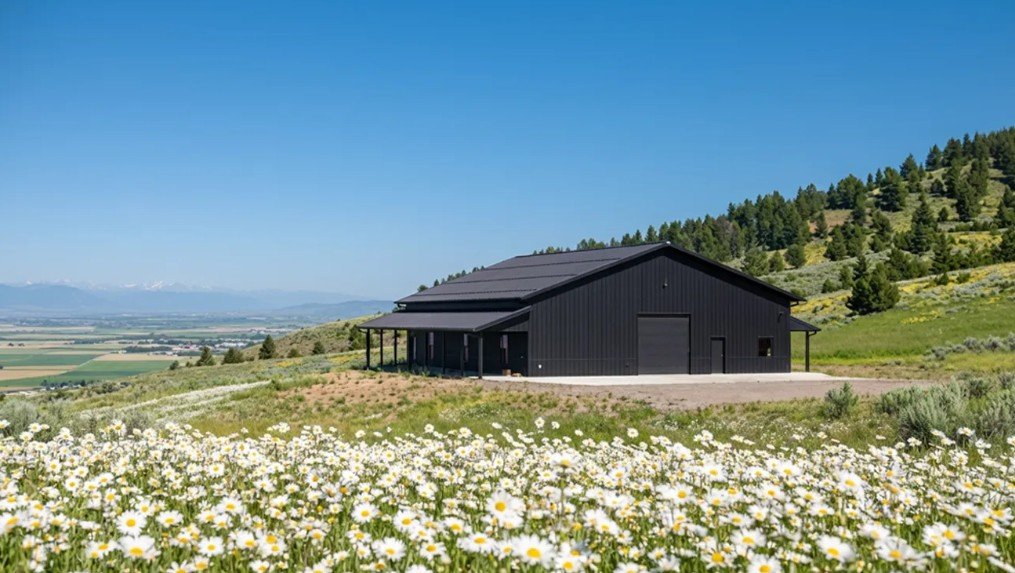
The versatility of steel as a building material allows for a high degree of customization to meet specific farming needs. Whether it’s a crop storage facility, livestock stable, or equipment storage, steel buildings can be tailored to fit the precise demands of the farm. Features like clear spans eliminate the need for interior columns, providing unobstructed space for maximum utility.
Technological Integration
Today’s agricultural landscape is also heavily guided by technology, and the capability to integrate modern tech is an essential component of future-proof farming infrastructure. Steel buildings can easily accommodate technological installations such as solar panels, advanced climate control systems, and automated equipment, which further enhances their value proposition. This adaptability ensures that as technology evolves, the infrastructure will not become obsolete but can evolve in tandem.
The Future Outlook for Canadian Farmers
As Canadian farmers face increasing pressures from global markets and the need for sustainable practices, the advantages of transitioning to steel buildings become readily apparent. With an upwards trend in organic farming and local production demands, infrastructure that can accommodate rapid changes is essential. Agricultural steel buildings not only meet the current demands but are also paving the way for future innovations in farming.
Support from Authorities and Industry Leaders
The acceptance of steel buildings in agriculture is supported by various agricultural authorities, including the Canadian Federation of Agriculture (CFA), which works toward sustainable and profitable agricultural policies. Such endorsements illustrate a collective shift toward innovative farming practices.
Regional Success Stories
Across Canada, many farming operations are showcasing the successful integration of steel buildings into their operations. From vast grain storage facilities in the prairies to specialized dairy barns in Ontario, steel buildings are proving their worth day in and day out. These regional success stories serve as a blueprint for other farmers considering the transition, providing real-world evidence of their benefits.
The evolution from wooden barns to agricultural steel buildings marks a significant step forward in farming infrastructure. As the agricultural sector faces unprecedented challenges and opportunities, investing in steel buildings offers a strategic advantage. Combining durability, sustainability, and adaptability, steel is not just building the farms of today but also laying the foundation for the farms of the future.
In closing, the shift away from traditional wooden barns is driven by necessity and opportunity. As technology and environmental practices continue to progress, the ability to adapt will be crucial. With steel buildings, Canadian farmers can position themselves at the forefront of this new era, ensuring their livelihoods remain resilient and prosperous in the years to come.