
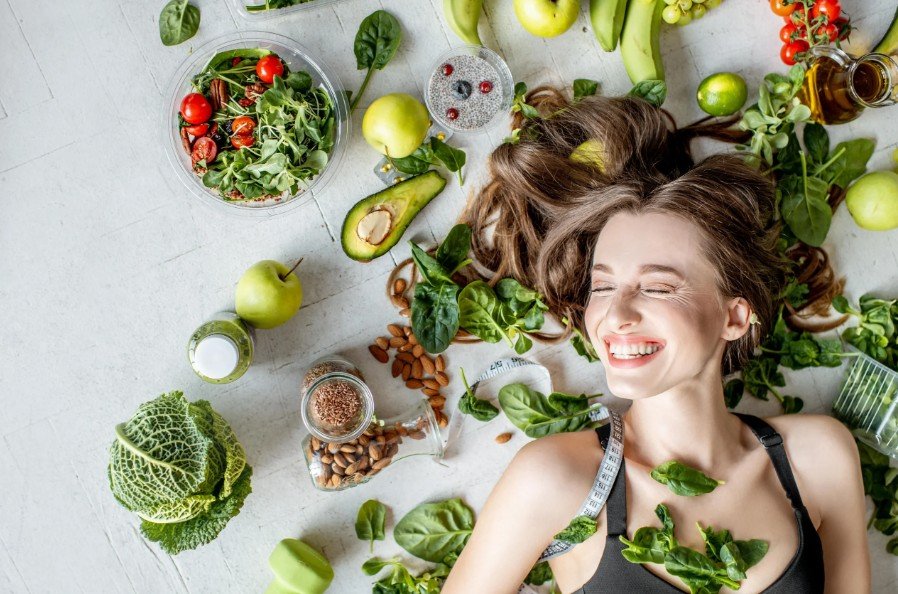
Clear, comfortable skin is influenced by more than what you put on it. Sleep, hormones, genetics, stress and skincare habits all play a part, while food helps supply the nutrients the body needs for everyday functions. That makes fresh produce a valuable part of a balanced routine—not a miracle treatment. Understanding the difference can help readers make sensible choices about both their diets and their beauty shelves.
Why produce belongs in a balanced beauty routine
Fruit and vegetables offer a mix of vitamins, minerals, fibre and plant compounds. Different colours often signal different natural pigments and nutrients, so choosing a variety is a practical way to broaden what you eat. Leafy greens, berries, tomatoes, peppers and squash can all contribute to an overall nutritious pattern, alongside whole grains, protein sources and healthy fats.
Some nutrients have well-established roles in the body. Vitamin C, for example, is needed for normal collagen formation, while vitamin A supports normal skin function. Getting nutrients from food is one way to meet dietary needs, but eating a particular fruit will not predictably erase a wrinkle, cure acne or replace medical care. The skin is complex, and diet is only one part of its story.
Freshness can make produce more appealing and easier to use, but “farm fresh” does not automatically mean more nutritious in every case. Harvest timing, storage, transport and cooking methods all matter. Frozen vegetables and fruit can also be nutritious and convenient, especially when fresh options are out of season or difficult to access.
Build meals around variety, not beauty promises
A useful approach is to add produce to meals you already enjoy instead of following restrictive “skin-clearing” plans. Try berries with breakfast, greens in a sandwich, roasted vegetables alongside dinner, or chopped fruit as a snack. Pairing produce with sources of protein and fat can make meals more satisfying and helps create a varied eating pattern.
- Choose different colours: Mix leafy greens, orange vegetables, red fruit and other seasonal options through the week.
- Keep convenient choices on hand: Frozen produce, unsweetened canned fruit and pre-washed greens can reduce preparation time.
- Pay attention to your own needs: Food allergies, medical conditions and individual preferences may shape what works for you.
- Skip drastic rules: Cutting out entire food groups without a clinical reason can make it harder to get a balanced diet.
Wash fresh produce under running water before preparing it, and store it according to its type. Good handling supports food safety and helps reduce waste. If a food seems to trigger a reaction, record what you ate and discuss the pattern with a qualified health professional rather than making broad changes based on a trend.
Keep skincare claims grounded
Beauty advice often turns a plausible connection into a promise. A nutritious diet supports general health, but it is not a substitute for sunscreen, a gentle cleanser or treatment recommended for a specific skin condition. Persistent irritation, painful breakouts or sudden changes deserve attention from a dermatologist or another appropriate clinician.
Readers also benefit when wellness content distinguishes established evidence from personal experience. Businesses and publishers developing articles on nutrition, fitness or skin health can use health publishing sites to find relevant outlets and reach audiences already interested in these subjects. Whatever the channel, useful content should avoid overstating what one ingredient or food can accomplish.
Make farm-to-table stories useful to readers
For farms, food businesses and beauty brands, the strongest content connects products to everyday decisions. A seasonal guide might explain how to store greens, suggest a simple meal, or clarify the difference between a nutrition fact and a skincare claim. Clear photographs and straightforward design can help readers understand the advice without making the article feel like a sales pitch.
Small teams may need outside help with writing, photography, illustration or social media assets. A freelance marketplace such as Osdire can be one place to look for those skills across categories. Before commissioning work, define the audience, agree on the deliverables and check that any health-related copy is reviewed for accuracy. A clear brief helps a freelancer create material that fits the publication’s voice and gives readers something practical to take away.
A realistic takeaway
Eating a broad range of produce can support a nutritious diet, and seasonal foods may make that habit more enjoyable. But healthy skin is not a single-food outcome. Combine varied meals with suitable skincare, sun protection and professional advice when needed. That balanced message is more trustworthy—and more helpful—than promising that a particular harvest can transform someone’s complexion.