Agriculture in the United States

Agriculture in the United States

I’ve spent more than four decades working around American farms, and if there’s one thing I’ve learned, it’s that agriculture in the United States isn’t just about growing crops — it’s about growing communities, innovation, and resilience. From the cornfields of Iowa to the vineyards of California, the agricultural landscape here tells a story that’s deeply woven into the nation’s identity. And honestly, even after all these years, I’m still fascinated by how fast things keep changing.

The Backbone of America’s Economy

You can’t talk about the U.S. without talking about its farms. Agriculture contributes over a trillion dollars annually to the economy when you include food-related industries. And while most people picture wide-open fields with tractors plowing away, the truth is, agriculture here is incredibly diverse — grains, livestock, dairy, fruits, vegetables, nuts, timber, and even aquaculture.

I remember visiting a farm in Kansas about 20 years ago where a family grew both wheat and soybeans. The father told me, “This land’s been in my family for five generations. My great-granddad broke this soil with a mule.” That stuck with me. Because behind every statistic, there’s a human story — of grit, sweat, and hope.

A Landscape of Diversity

One of the most beautiful things about U.S. agriculture is how much it varies by region. Out west, you’ve got massive cattle ranches and fruit orchards. Down south, there’s cotton, peanuts, and rice. The Midwest? Corn and soybeans rule there. And up north, you’ll find dairy farms that make some of the creamiest milk and cheese I’ve ever tasted.

I once worked with a vineyard in Napa Valley for a soil health project — fancy way of saying we were testing how composted manure and cover crops could improve grape quality. Turns out, small tweaks in soil management made a huge difference in flavor. That’s when it hit me — farming isn’t just science; it’s also art.

The Shift Toward Technology

Now, if you’ve been around farms lately, you’ve probably noticed something: tractors that drive themselves, drones flying overhead, soil sensors sending real-time data to apps. Welcome to smart agriculture. It’s wild.

Back in the early 2000s, we thought GPS-guided tractors were groundbreaking. Now, AI and machine learning are taking precision agriculture to a whole new level. Farmers can map soil nutrients, predict yields, and even monitor plant health from their phones. It’s not perfect — the cost of adopting these tools can be a real barrier for small farmers — but it’s helping reduce waste, improve productivity, and protect the environment.

I remember once testing a new irrigation system in California’s Central Valley. It was designed to measure soil moisture and adjust water flow automatically. On paper, it sounded flawless. In reality, we had a few days where the Wi-Fi went down, and the crops got a little too dry. Lesson learned: always have a manual backup plan, no matter how “smart” your farm gets.

Sustainability: The New Frontier

Let’s be real — agriculture has a complicated relationship with the environment. It’s both a contributor to and a victim of climate change. Droughts, floods, and unpredictable weather patterns are becoming more common, and farmers are being forced to adapt.

Sustainability isn’t just a buzzword anymore; it’s survival. I’ve seen farms switch to regenerative practices — things like cover cropping, reduced tillage, rotational grazing, and integrated pest management. These methods rebuild soil health, capture carbon, and make the land more resilient.

One of the farms I consult with in Nebraska started using cover crops after years of erosion issues. Within three years, their soil organic matter increased by 2{c3f6f8308c5f5052e199c6c595290199e9f7cf4afce39fb671d32a7b0ead7289}, and their water retention improved dramatically. The farmer joked, “I used to pray for rain, now I pray it doesn’t flood!” That’s the kind of progress we need — practical, measurable, and sustainable.

The Role of Family Farms

A lot of folks assume agriculture is dominated by massive corporations, and while agribusiness plays a big role, family farms still make up about 96{c3f6f8308c5f5052e199c6c595290199e9f7cf4afce39fb671d32a7b0ead7289} of all U.S. farms. That’s something to be proud of.

These are people who know their land intimately. They pass down not just property but wisdom — how to read the sky, when to plant by feel rather than forecast, how to fix a broken water pump with nothing but duct tape and determination.

But it’s not easy. Many of these families struggle with fluctuating prices, debt, and labor shortages. I’ve sat at kitchen tables with farmers who couldn’t sleep because of rising fertilizer costs or trade tariffs cutting into their profits. Farming’s not for the faint of heart; it’s a gamble every season.

Labor Challenges and Immigration

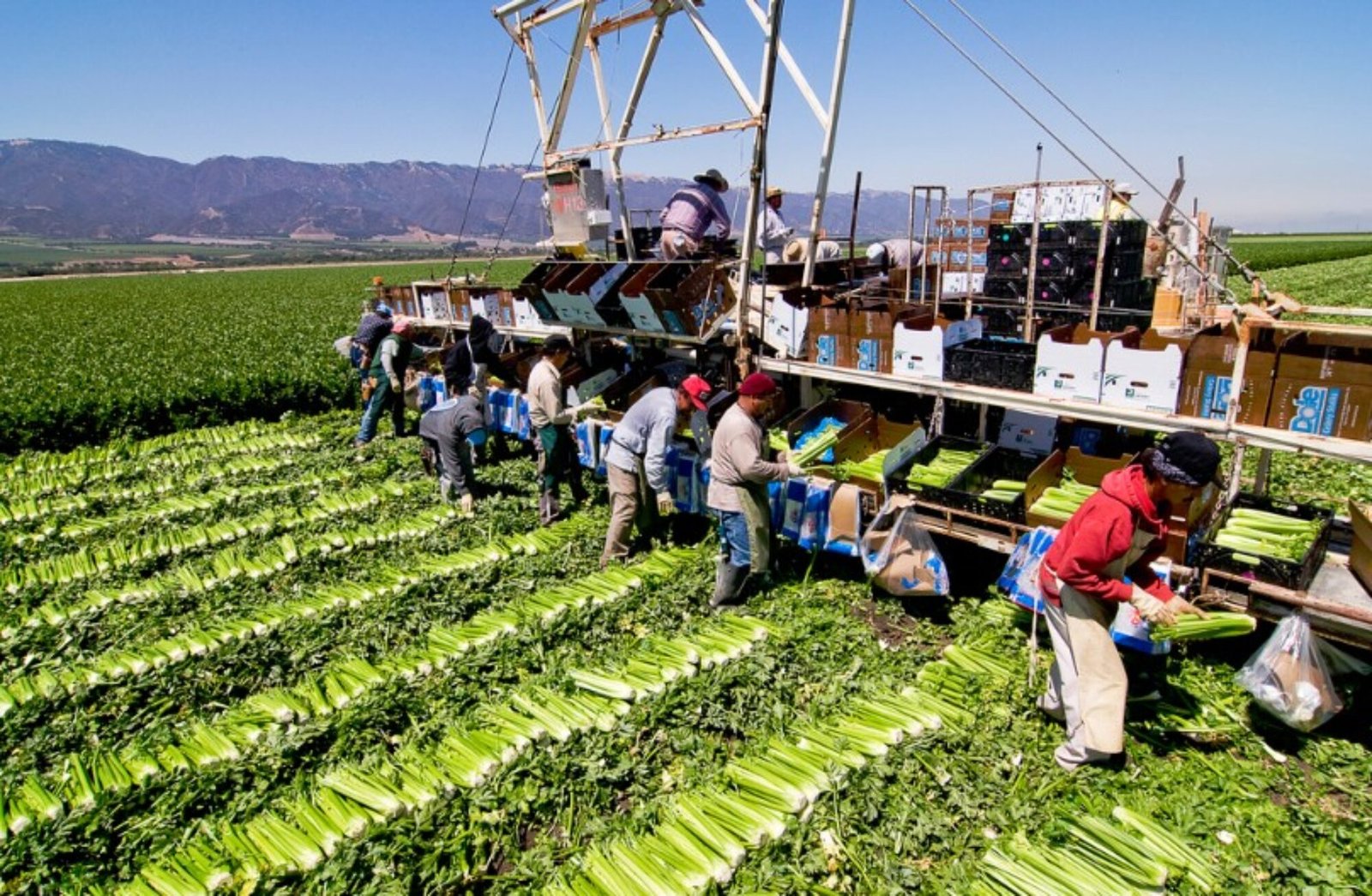
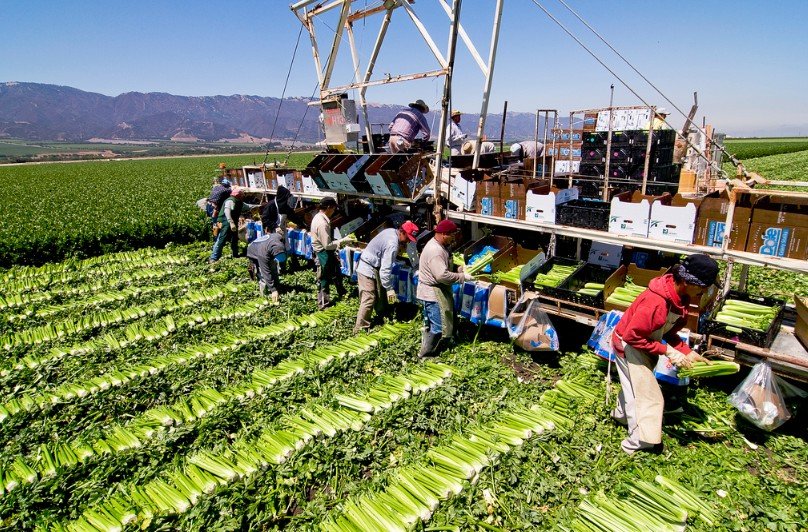
Let’s talk about something often overlooked: farm labor. Agriculture in the U.S. relies heavily on migrant and seasonal workers, many from Mexico and Central America. These workers are the backbone of our fruit and vegetable production, especially in states like California, Florida, and Texas.

I once worked on a citrus farm in Florida during harvest season. The team picked thousands of pounds of oranges a day, moving fast under the blazing sun. The labor was intense — something most folks don’t see when they buy a carton of juice at the store.

There’s ongoing debate about fair wages, working conditions, and immigration reform. But from my experience, improving labor conditions isn’t just the right thing to do — it’s good business. Happier, healthier workers mean better yields and lower turnover.

The Organic and Local Food Movement

You’ve probably noticed the explosion of farmers markets and organic food in recent years. The demand for local, sustainable, and organic produce has reshaped U.S. agriculture. Consumers want to know where their food comes from — and who grows it.

I started experimenting with organic practices back in the late ’90s, mostly because I was curious. My first attempt at organic tomato farming was, well, a disaster. The weeds won, and the pests had a feast. But I learned a lot — about soil biology, crop rotation, and patience. Now, organic farming is a serious, science-driven sector.

In 2024, the U.S. had over 18,000 certified organic farms. That’s a massive jump from just a decade ago. And the best part? Many small farms are finally finding financial stability through direct-to-consumer sales, CSAs (Community Supported Agriculture), and online delivery systems.

Challenges Facing Modern Farmers

Farming today isn’t just about growing food; it’s about managing risk. Climate uncertainty, global competition, rising input costs, and fluctuating markets all make it tough. Add to that the pressure of debt, aging farmers, and younger generations leaving rural areas — it’s a perfect storm.

A farmer friend of mine in Wisconsin once told me, “I’m not afraid of hard work, but I am afraid of uncertainty.” And he’s right. Crop insurance helps, government programs offer some relief, but the mental toll of farming is real.

That’s why mental health awareness is becoming more important in agricultural communities. We’re seeing more outreach programs, hotlines, and peer support groups for farmers dealing with stress and burnout. It’s about time we started talking about that.

Government Support and Farm Policy

U.S. agricultural policy has always been a balancing act — protecting farmers, stabilizing markets, and promoting exports. The Farm Bill, updated roughly every five years, covers everything from crop insurance to conservation programs.

I used to think government paperwork was the worst part of farming, and honestly, it still kind of is. But programs like EQIP (Environmental Quality Incentives Program) and CSP (Conservation Stewardship Program) have helped many farms transition toward sustainable practices.

The USDA’s recent focus on climate-smart agriculture is a step in the right direction. They’re funding projects that reduce emissions, improve soil health, and promote renewable energy on farms. It’s slow-moving, but progress is progress.

Innovation and the Future of U.S. Agriculture

The future of American agriculture looks different than it did when I started. We’re talking about vertical farming in urban warehouses, hydroponics that use 90{c3f6f8308c5f5052e199c6c595290199e9f7cf4afce39fb671d32a7b0ead7289} less water, and lab-grown meat that could change the entire protein industry.

While some old-timers roll their eyes at this stuff, I think it’s exciting. Change is hard, but necessary. We can’t feed a growing population with outdated methods forever. I’ve seen college students design robotic weeders that outperform manual labor — and solar-powered drones that detect crop diseases before the naked eye can see them.

The key will be blending tradition with technology — honoring the wisdom of generations while embracing the innovations of the next.

The Human Side of Agriculture

For all the talk about technology and policy, what keeps me grounded are the people. Farmers, ranchers, scientists, truck drivers, co-op workers — they’re all part of the same chain that puts food on America’s tables.

I’ve shared countless cups of coffee with farmers before sunrise, talking about weather patterns and yield forecasts. I’ve watched kids run through cornfields while their parents fixed irrigation leaks. That’s what agriculture is really about — people.

It’s easy to forget that behind every loaf of bread or glass of milk, there’s someone who worked dawn to dusk to make it happen. And that’s why I’ll always say farming is one of the most honorable professions out there.

Lessons I’ve Learned Along the Way

After decades in this field, I’ve made my share of mistakes — planting too early, trusting the wrong forecast, over-fertilizing, underestimating pests. But every failure was a lesson.

I’ve learned that good soil is worth more than gold. That you can’t fight nature — you have to work with it. That community matters, because no one can farm alone. And most importantly, that even when times are tough, the land always finds a way to give back if you treat it right.

Final Thoughts

Agriculture in the United States is a living, breathing system — one that feeds the world while constantly evolving. It’s tough, unpredictable, and sometimes downright frustrating. But it’s also deeply rewarding.

Whether you’re managing a thousand-acre farm in the Midwest or growing lettuce in a backyard greenhouse, you’re part of something bigger — a legacy that connects generations and shapes the nation’s future.

So, if you’re thinking of getting into farming or just want to understand where your food comes from, take a trip to a local farm. Shake a farmer’s hand. Ask questions. You’ll walk away with a new appreciation for the soil, the sweat, and the science behind every meal.

Because at the end of the day, agriculture isn’t just an industry — it’s a way of life.
Agriculture in Vietnam

Agriculture in Vietnam

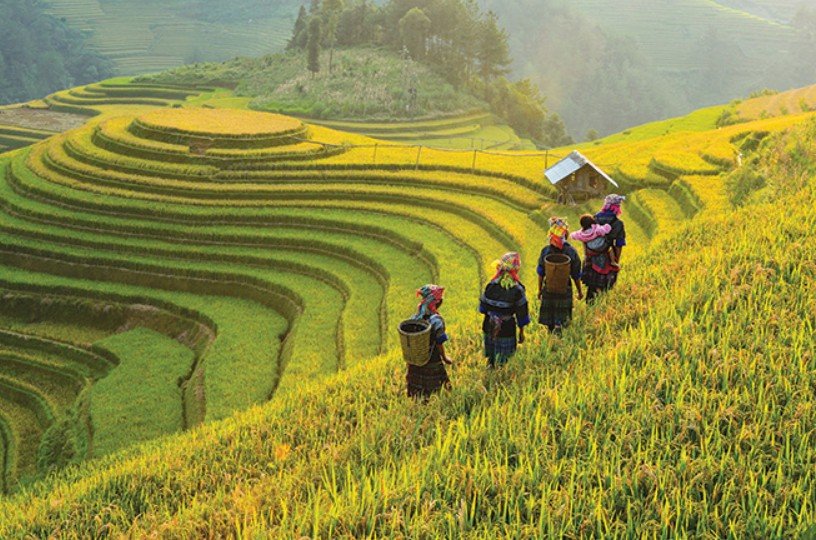
I still remember the first time I set foot in a Vietnamese rice paddy. It was early morning, the air smelled like wet soil and new beginnings, and farmers were already knee-deep in muddy water, their conical hats glistening under the first rays of sunlight. That sight alone said everything about Vietnam’s heart — agriculture isn’t just an industry here; it’s a way of life. It’s history, culture, and resilience rolled into one.

The Soul of Vietnam Lies in Its Fields

Agriculture in Vietnam isn’t something you can talk about without emotion. It’s deeply intertwined with the people’s identity. Around 60–65{c3f6f8308c5f5052e199c6c595290199e9f7cf4afce39fb671d32a7b0ead7289} of Vietnam’s population still lives in rural areas, and while many younger folks are moving to cities, farming remains the backbone of the economy. I’ve met farmers in the Mekong Delta who’ve been growing rice for generations — same plots, same rhythm, just different challenges.

The country’s fertile land and tropical climate make it perfect for diverse crops — from rice and coffee to pepper, cashews, and rubber. But if there’s one thing Vietnam is globally known for, it’s rice. Often called the “rice bowl of Southeast Asia,” the Mekong Delta alone produces more than half of the country’s total rice output.

I once visited a family-run farm near Can Tho. The owner, Mr. Phuc, laughed when I asked how long his family had been farming there. “Longer than your country’s been independent,” he said, half-jokingly. He explained how the flooding seasons, though inconvenient, bring nutrients that keep the soil fertile year after year. It reminded me that what seems like chaos in nature often hides perfect balance.

The Rise of Modern Agriculture

Now, Vietnam isn’t just about traditional farming anymore. Over the last two decades, the country’s agriculture has gone through what I like to call a quiet revolution. Mechanization, smart irrigation, and organic farming have started to take root. Farmers are shifting from subsistence farming to agribusiness — producing not just for local markets but for export.

I remember a trip to Lam Dong province, where I saw greenhouses full of hydroponic lettuce and cherry tomatoes. It blew my mind. Ten years ago, this area was mostly pine trees and coffee plants. Today, young farmers are using drip irrigation systems and smartphone apps to monitor moisture levels and nutrient balance.

Of course, not everything runs smoothly. Many smallholder farmers still struggle to afford these technologies. A friend of mine in Da Lat, who grows roses, told me he spent nearly two years’ worth of savings to install a simple greenhouse cooling system. “It’s risky,” he said, “but better than watching my flowers burn in the dry season.”

That’s Vietnam’s agricultural story in a nutshell — a mix of courage, adaptation, and sheer stubborn determination.

The Big Crops: What Vietnam Grows Best

When people think of Vietnamese agriculture, rice usually steals the spotlight. But there’s so much more going on beyond the paddies.

  1. Rice – The Lifeblood

Vietnam consistently ranks among the top three rice exporters in the world, alongside India and Thailand. The Mekong Delta and the Red River Delta are the two major rice-growing regions. I once talked to a local extension officer who said, “If you drop a handful of rice seeds here, something will grow — even if you forget about it.” That’s how fertile these plains are.

But there’s a challenge: climate change. Rising sea levels and salinity intrusion threaten thousands of hectares of rice fields. Farmers are experimenting with salt-tolerant rice varieties and alternating rice-shrimp systems. I’ve seen shrimp ponds dug right next to rice fields — it’s genius, really. When the water gets too salty for rice, they switch to shrimp farming.

  1. Coffee – Vietnam’s Hidden Powerhouse

Here’s something many folks don’t realize: Vietnam is the world’s second-largest coffee producer, right after Brazil. Most of it comes from the Central Highlands — Dak Lak, Gia Lai, and Lam Dong. The country mostly grows robusta beans, known for their strong, earthy flavor.

I visited a small cooperative in Buon Ma Thuot once. The farmers were switching from chemical fertilizers to composted coffee husks. The smell was… let’s just say “unique,” but the results were clear — healthier plants, better yields, and richer soil. That’s when I realized sustainability isn’t just a buzzword here. It’s survival.

  1. Pepper and Cashew – The Spices of Trade

Vietnam is also a global leader in black pepper production. I once helped a family in Phu Quoc harvest pepper berries, and let me tell you — those vines climb like crazy. It’s hard work, but it pays off.

Cashew production, mostly in southern provinces like Binh Phuoc, has also become a key export sector. I met a cooperative that started processing cashews locally instead of exporting raw nuts. It doubled their income. Sometimes it’s not about growing more — it’s about being smarter with what you already grow.

  1. Aquaculture – The Future Frontier

Now, if there’s one sector that’s exploding, it’s aquaculture. Fish, shrimp, and seafood exports bring in billions each year. The Mekong Delta, with its endless canals, is practically made for it. I once watched a farmer feed tilapia using an automatic feeder powered by solar panels. Ten years ago, that would’ve sounded like science fiction.

But aquaculture also brings environmental challenges — water pollution, disease outbreaks, and habitat loss. I’ve seen ponds turn black after overfeeding or antibiotic misuse. That’s why sustainable aquaculture practices, like biofloc systems and recirculating tanks, are catching on. They’re not perfect, but they’re progress.

The Struggles Beneath the Success

For all the progress Vietnam’s agriculture has made, it’s not without its growing pains. Small-scale farmers still make up the majority, and they often face limited access to credit, technology, and markets. I’ve sat at kitchen tables listening to farmers talk about debt — how one bad harvest can set them back for years.

Then there’s climate change. It’s not an abstract threat here; it’s real. Droughts hit the Central Highlands hard, while saltwater creeps up the Mekong. A friend in Tra Vinh once joked, “We used to pray for rain. Now we pray it doesn’t flood.”

Government programs and NGOs are stepping in with training and microloans, but the gap between big agribusinesses and smallholders keeps widening. That’s why I always say — modernization is great, but inclusivity is what really matters.

Sustainable Agriculture: The Path Forward

One of the most inspiring things I’ve seen in Vietnam is the shift toward sustainable agriculture. Organic farms are sprouting up everywhere, from Hanoi’s outskirts to the highlands of Da Lat. These farmers aren’t just thinking about profits; they’re thinking about soil health, biodiversity, and the next generation.

I visited an organic tea farm in Yen Bai that uses intercropping — planting ginger and turmeric between tea rows. It’s brilliant because it controls weeds naturally and improves income diversity. The owner told me he used to spray pesticides every week. Now, he hasn’t used chemicals in three years. “The soil smells alive again,” he said. That stuck with me.

The Vietnamese government has been promoting “green agriculture” policies, too — encouraging less chemical use, more renewable energy, and sustainable irrigation. I once helped train local farmers on composting and biofertilizers. Watching their curiosity grow into confidence was something I’ll never forget.

The Human Side of Farming

At the end of the day, farming is about people. It’s about waking up before dawn, checking the weather with one hand and holding a hoe in the other. It’s about betting your year’s income on what the clouds decide to do.

I’ve shared meals with farmers who had nothing fancy — just rice, fish sauce, and a smile — yet they offered it like it was a feast. I’ve seen young entrepreneurs come back from the city to start organic farms because they wanted a life with meaning, not just money.

That’s the spirit of Vietnamese agriculture — hardworking, humble, and hopeful. It’s not always pretty, but it’s real.

Lessons Learned Along the Way

If I’ve learned anything from years of watching Vietnam’s agricultural journey, it’s this: progress takes patience. You can’t just throw money or technology at a field and expect magic. You’ve got to respect the land, understand its rhythm, and work with it, not against it.

One mistake I made early on was assuming farmers needed to be “taught” sustainability. Turns out, they already knew — they just didn’t have the tools. When I listened instead of lectured, things changed. Together we found practical ways to improve yields without depleting the soil.

Vietnam’s farmers are innovators in their own right. They might not use fancy terms like “agroecology” or “circular economy,” but they’ve been practicing it for generations — composting, rotating crops, using ducks for pest control. It’s all there, just waiting to be recognized.

The Global Impact of Vietnamese Agriculture

Vietnam’s agricultural exports are nothing short of impressive. In recent years, the country has been shipping rice, coffee, pepper, and seafood to more than 180 countries. It’s become a key player in global food security.

But there’s still a gap between being a producer and being a brand. Vietnamese coffee, for instance, often gets mixed with beans from other countries before being sold. The government is pushing for “Made in Vietnam” branding to change that, which I think is a smart move.

The world is starting to notice Vietnam’s potential not just as a supplier but as a model of resilience. When you see farmers adapting to floods, droughts, and market shifts all at once — and still managing to feed millions — that’s something worth learning from.

My Final Thoughts

Agriculture in Vietnam is a beautiful contradiction — ancient yet modern, simple yet complex, fragile yet incredibly strong. Every time I visit, I see the same thing: farmers who might not have much in their pockets but have a deep well of wisdom and grit.

If you ever get the chance to visit a Vietnamese farm, do it. Watch the sun rise over a rice field. Hear the laughter of farmers as they rest after a long day. You’ll understand why this country’s future will always be rooted — quite literally — in its soil.

And if you’re someone looking to get into agriculture or agribusiness, Vietnam offers endless lessons. From resource management to resilience, there’s so much to learn. But most importantly, you’ll learn that farming isn’t just about crops. It’s about people, patience, and purpose.

So yeah, agriculture in Vietnam isn’t perfect. It’s muddy, unpredictable, and sometimes frustrating. But it’s also inspiring, full of heart, and constantly evolving — much like Vietnam itself.