Emerging Agricultural Research Trends Shaping the Future of Farming

Emerging Agricultural Research Trends Shaping the Future of Farming

I. Emerging Agricultural Research Trends Shaping the Future of Farming

Agriculture is entering one of the most transformative periods in its history. As global populations rise, climate pressures intensify and natural resources become increasingly constrained, researchers worldwide are racing to develop smarter, more resilient, and more sustainable farming solutions. These innovations aren’t abstract concepts—they’re shaping the future of how we grow, harvest and manage food systems.

In this article, we’ll explore the most important emerging agricultural research trends and examine how they are paving the way toward a more productive and sustainable agricultural future.

II. Climate-Resilient Crop Development

As climate change intensifies, developing crops that can withstand extreme environmental stresses has become one of the most critical areas of agricultural research. Unpredictable weather patterns, prolonged droughts, rising temperatures and increased salinity are already affecting global food production. To secure future harvests, scientists are working to create crop varieties capable of thriving under these challenging conditions.

A. Advances in Genetic Engineering

Breakthroughs in genetic tools—most notably CRISPR gene editing—are enabling researchers to precisely modify plant DNA to enhance resilience. Unlike conventional breeding, which may take decades, modern gene-editing technologies allow scientists to identify and alter specific genes responsible for stress tolerance. This accelerates the development of crops that can handle climate-induced challenges.

B. Drought-, Heat- and Salinity-Tolerant Varieties

Research programs worldwide are prioritizing crops that continue to grow and yield even when water is scarce or temperatures spike. Some key advancements include:

  • Drought-tolerant maize and wheat designed to remain productive with minimal water
  • Heat-tolerant rice varieties capable of surviving prolonged high temperatures
  • Salinity-resistant legumes and cereals that can grow in degraded or coastal soils
    These innovations are essential for regions already facing water scarcity and soil salinization.

C. Breeding for Pest and Disease Resistance

Climate change often triggers new pest infestations and expands the geographic range of existing ones. Scientists are now developing crop varieties with natural resistance to emerging pathogens and insect threats. Through hybrid breeding, molecular markers and genomic selection, researchers can quickly identify resilient traits and incorporate them into commercial crops. This reduces reliance on chemical pesticides and strengthens overall crop health.

D. Importance for Global Food Security

Climate-resilient crops aren’t just an agricultural milestone—they’re a foundation for global stability. As extreme weather becomes more frequent, stable crop yields will be essential for maintaining food supplies, preventing price volatility and supporting vulnerable farming communities. Research-driven crop varieties that can survive tough conditions will play a major role in sustaining food production for future generations.

III. Precision Agriculture & Data-Driven Farming

Precision agriculture has rapidly evolved from a futuristic concept into a fundamental pillar of modern farming. By leveraging digital technologies, data analytics and automated systems, farmers can now make informed decisions that significantly enhance productivity, reduce input costs and minimize environmental impact. Research in this field continues to expand, offering innovative tools that transform how we monitor, manage and optimize agricultural operations.

A. Growth of IoT and Sensor-Based Farming

The Internet of Things (IoT) is revolutionizing the farm environment by connecting devices, sensors and machines into a unified data ecosystem. Soil probes, moisture sensors, weather stations and nutrient monitors provide real-time insights into field conditions. These continuous data streams allow farmers to detect issues early—such as nutrient deficiencies or irrigation needs—enabling fast and accurate interventions that boost crop performance.

B. Drone and Satellite Monitoring Systems

Unmanned aerial vehicles (UAVs) and satellite imagery have become essential tools for modern agricultural research. Drones equipped with multispectral cameras offer detailed, high-resolution images that can reveal plant stress, pest infestations and field variability long before they are visible to the human eye. Satellite systems provide large-scale, repeatable data on crop growth and land use, making them especially valuable for large farms and government research programs.

C. AI-Driven Analytics and Yield Prediction

Artificial intelligence (AI) and machine learning algorithms analyze vast amounts of farm data to uncover patterns and generate actionable insights. AI-driven platforms can:

  • Predict yield outcomes with remarkable accuracy
  • Recommend optimal planting dates
  • Identify early signs of disease or nutrient stress
  • Suggest resource-efficient management strategies
    This level of predictive capability helps farmers plan ahead and optimize operations from planting to harvesting.

D. Precision Irrigation and Fertilization

Water and fertilizer inputs can be costly—and when applied inefficiently, they can harm both crops and the environment. Precision agriculture research focuses on delivering the right amount of resources at the right time and place. Technologies such as drip irrigation automation, variable-rate fertigation and soil moisture analytics help reduce waste while ensuring that plants receive what they need to grow productively.

E. Benefits: Efficiency, Sustainability and Cost Reduction

The overarching impact of precision agriculture is transformative. By using accurate data and intelligent systems, farmers can:

  • Increase yields with fewer resources
  • Reduce fertilizer and pesticide use
  • Minimize water consumption
  • Lower overall production costs
  • Maintain environmental sustainability
    As climate and economic pressures intensify, the adoption of precision agriculture and data-driven tools will continue to rise, making it one of the most influential trends shaping the future of farming.

IV. Soil Health & Regenerative Agriculture Research

Healthy soil is the backbone of productive agriculture, yet decades of intensive farming have degraded soil quality in many regions. In response, researchers are intensifying efforts to understand soil ecosystems and promote regenerative practices that restore and enhance long-term soil fertility. This research is reshaping how farmers approach land management, emphasizing ecological balance, biodiversity and sustainability.

A. Soil Microbiome Discoveries

Recent advances in molecular biology have allowed scientists to study soil microbiomes in unprecedented detail. The soil microbiome—composed of bacteria, fungi, protozoa and other microorganisms—plays a critical role in nutrient cycling, plant growth and disease resistance. Research shows that boosting microbial diversity can improve soil structure, increase nutrient availability and enhance plant resilience. These findings are encouraging the development of new microbial inoculants and biological soil amendments.

B. Carbon Sequestration Research

Soil is one of the planet’s largest carbon sinks, and regenerative agriculture is proving to be an effective strategy for capturing atmospheric carbon. Studies are exploring how practices such as no-till farming, cover cropping and compost application increase organic matter content and lock carbon into the soil for long periods. This not only improves soil health but also supports global efforts to mitigate climate change by reducing greenhouse gas concentrations.

C. Regenerative Farming Practices

Regenerative agriculture focuses on rebuilding soil health through practices that work with natural systems rather than against them. Key research-backed methods include:

  • Cover cropping to minimize erosion and replenish nutrients
  • Reduced or no-till farming to preserve soil structure and microbial habitats
  • Diverse crop rotations to break pest cycles and enhance biodiversity
  • Agroforestry systems that enrich soil and create microclimates
    Studies consistently show that these practices lead to higher organic matter levels, better water retention and increased long-term productivity.

D. Improving Long-Term Productivity Through Soil Restoration

Healthy soils are more resilient to drought, erosion and nutrient loss. Research demonstrates that improving soil structure and biological activity can significantly increase crop yields over time while reducing reliance on synthetic fertilizers. As farmers adopt regenerative techniques, they often experience improved profitability due to lower input costs and enhanced soil performance.

V. Agricultural Biotechnology & Microbial Innovations

Agricultural biotechnology has entered a new era, offering powerful tools to enhance crop productivity, strengthen plant resilience and reduce reliance on chemical inputs. Alongside biotechnology, microbial innovations are emerging as sustainable solutions for boosting soil health and improving plant performance. Together, these breakthroughs are shaping a more efficient and environmentally friendly future for global agriculture.

A. Biofertilizers and Their Impact on Nutrient Uptake

Biofertilizers are becoming a vital component of sustainable farming systems. Instead of relying solely on synthetic fertilizers, researchers are developing microbial-based formulations that help plants access essential nutrients naturally. These beneficial microbes—such as nitrogen-fixing bacteria, phosphate-solubilizing organisms and mycorrhizal fungi—improve nutrient absorption and enhance root system development. Research shows that biofertilizers can significantly increase yields while reducing costs and minimizing nutrient runoff into the environment.

B. Biopesticides Reducing Chemical Inputs

Chemical pesticides have long been a concern due to their environmental and health impacts. In response, scientists are creating biopesticides derived from living organisms like bacteria, fungi and plant extracts. These biological agents target pests and diseases with precision, causing minimal harm to beneficial insects, soil organisms and surrounding ecosystems. Research-backed biopesticides offer a sustainable alternative that supports healthier crops, reduced chemical exposure and improved ecological balance.

C. Microbial Inoculants for Plant Strength

Microbial inoculants—sometimes called “probiotics for plants”—introduce targeted beneficial microbes into the soil or seed environment. These microorganisms can enhance plant tolerance to drought, salinity and other stressors. Some strains also trigger natural plant defense mechanisms, helping crops fight off pathogens more effectively. Ongoing research continues to identify new microbial species capable of improving plant resilience and boosting overall crop performance.

D. Synthetic Biology Applications

Synthetic biology is one of the most advanced fields transforming agricultural biotechnology. Researchers are engineering custom biological systems to solve specific agricultural challenges. Innovations include:

  • Plants engineered to fix atmospheric nitrogen
  • Microbes designed to produce bioactive compounds that suppress diseases
  • Crops modified for rapid growth or enhanced nutrient density
  • Biological sensors that detect environmental changes in real time
    These groundbreaking technologies push the boundaries of what is possible in sustainable food production.

E. Tissue Culture Advancements

Plant tissue culture plays a crucial role in the rapid propagation of improved crop varieties. Through sterile, controlled environments, scientists can produce disease-free planting materials on a large scale. This technique is especially important for high-value crops such as bananas, potatoes and ornamentals. Ongoing research is focused on optimizing tissue culture methods to reduce costs, increase scalability and maintain genetic stability in regenerated plants.

VI. Smart Greenhouses & Controlled Environment Agriculture

Smart greenhouses and controlled environment agriculture (CEA) are rapidly emerging as essential solutions to the challenges of climate change, resource scarcity and land degradation. By creating optimized, technology-driven growing environments, researchers and innovators are developing farming systems that ensure consistent, high-quality production regardless of external weather conditions. This shift is redefining what is possible in modern agriculture.

A. Rise of Hydroponics, Aquaponics and Aeroponics

Soilless farming techniques are central to CEA research. They allow crops to grow efficiently using significantly fewer resources:

  • Hydroponics delivers nutrients directly through water, leading to fast growth and reduced fertilizer waste.
  • Aquaponics integrates fish culture with plant production, creating a nutrient-rich, closed-loop system.
  • Aeroponics mists plant roots with nutrient solutions, offering some of the highest growth rates and water savings among modern systems.
    Researchers are continuously improving these systems to increase efficiency, reduce energy consumption and expand crop variety options.

B. Vertical Farming Research

Vertical farming uses stacked layers of crops in controlled indoor environments, maximizing production in minimal space. This approach is gaining attention in both urban and rural settings. Current research focuses on:

  • Optimizing plant density and spacing
  • Improving automated nutrient delivery systems
  • Enhancing airflow and humidity regulation
  • Reducing energy costs through smart design
    Vertical farms are becoming vital in regions with limited arable land, providing fresh produce close to urban consumers and reducing transportation emissions.

C. Automated Climate Control Systems

Automation is the backbone of smart greenhouse operations. Advanced climate control systems use sensors, AI and machine learning to maintain optimal growing conditions. These systems regulate:

  • Temperature
  • Humidity
  • CO₂ concentration
  • Ventilation
  • Light exposure
    By constantly analyzing environmental data, they adjust conditions in real time to support healthy, predictable plant growth.

D. LED Lighting Spectrum Optimization

Light is one of the most important factors in plant development, and modern research is exploring how different light wavelengths affect growth, flowering and nutrient composition. LED technology has made it possible to tailor light spectrums to specific crops and growth stages while significantly reducing energy consumption. Researchers are developing light recipes that:

  • Boost photosynthesis efficiency
  • Enhance flavor and nutritional value
  • Improve flowering and fruiting
  • Reduce energy costs in controlled environments

These innovations are making indoor farming economically viable on a larger scale.

E. Reducing Land and Water Dependency

One of the most significant advantages of CEA is its low resource requirement. Smart greenhouses can use up to 90{c3f6f8308c5f5052e199c6c595290199e9f7cf4afce39fb671d32a7b0ead7289} less water than conventional farming, and they eliminate the need for large tracts of arable land. By recycling water, capturing runoff and managing nutrients precisely, these systems ensure minimal waste. This makes CEA a highly promising solution for food production in arid regions, urban centers and areas affected by soil degradation.

VII. Robotics & Automation in Modern Farming

Robotics and automation are transforming agriculture by enhancing precision, reducing labor demands and streamlining repetitive tasks. As labor shortages intensify and the demand for higher productivity grows, researchers are developing advanced automated systems that can help farmers operate more efficiently. These technologies are redefining the way crops are planted, managed and harvested, paving the way for a more technologically advanced agricultural landscape.

A. Autonomous Tractors and Machinery

Autonomous tractors represent one of the most revolutionary advancements in farm mechanization. Equipped with GPS, sensors and AI navigation systems, these machines can perform tasks such as plowing, planting and spraying without human intervention. Modern autonomous machinery improves accuracy, reduces labor costs and operates efficiently even under challenging conditions. Research continues to enhance sensor precision, safety features and remote-control capabilities, making autonomous equipment increasingly practical for farms of all sizes.

B. Robotic Harvesting Systems

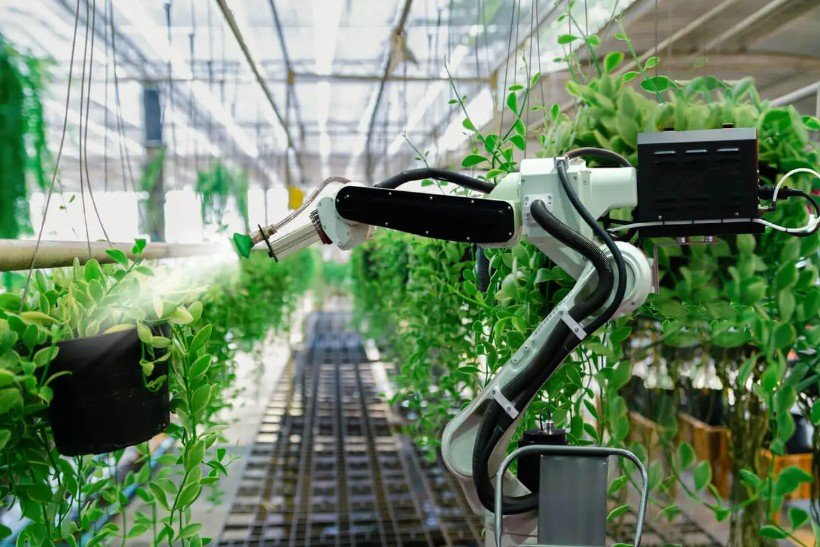
Harvesting is traditionally one of the most labor-intensive stages in agriculture. Robotic harvesters, however, are changing that by using vision systems, machine learning and robotic arms to pick fruits and vegetables with remarkable accuracy. These systems can work continuously and adapt to different crop varieties, reducing dependence on seasonal labor. Ongoing research aims to improve speed, handling sensitivity and adaptability to delicate crops such as berries, tomatoes and leafy greens.

C. AI-Powered Weed and Pest Control

Weed and pest management are critical to crop success, but chemical-heavy approaches pose environmental risks. Robotic systems equipped with AI and machine vision are emerging as effective alternatives. These machines can:

  • Detect and remove weeds individually
  • Apply micro-doses of herbicides
  • Use lasers or mechanical tools for weed elimination
  • Identify early signs of pest damage
    AI-based pest monitoring robots help reduce chemical use, lower costs and promote ecological balance by targeting only affected plants.

D. Drone-Based Spraying and Mapping

Drones continue to play an increasingly important role in modern farming. In addition to monitoring, they now support spraying and fertilization tasks. Equipped with advanced nozzles and precision-guidance systems, drones can apply treatments evenly and accurately, even in hard-to-reach areas. This improves efficiency, reduces exposure to chemicals and minimizes waste. Research is expanding drone capabilities to enhance payload, flight duration and autonomous decision-making in the field.

E. Addressing Labor Shortages Through Automation

One of the driving forces behind the rise of agricultural automation is the global labor shortage affecting farming communities. Robotics provide consistent, reliable labor that can operate around the clock. By automating repetitive and physically demanding tasks, these technologies allow human workers to focus on higher-skilled roles such as supervision, maintenance and strategic planning. This shift not only improves productivity but also helps stabilize agricultural supply chains.

VIII. Sustainable Agriculture & Circular Farming Systems

Sustainable agriculture and circular farming systems are at the forefront of efforts to build resilient food systems that protect the environment while maintaining productivity. As global challenges such as climate change, soil degradation and water scarcity intensify, researchers and farmers are embracing approaches that close resource loops, reduce waste and create long-term ecological balance. This shift represents a major transformation in how agriculture is conceptualized and practiced.

A. Zero-Waste and Closed-Loop Nutrient Cycles

One of the core principles of circular farming is minimizing waste by transforming byproducts into valuable resources. Research focuses on developing systems where:

  • Crop residues are converted into compost or biochar
  • Livestock manure becomes a nutrient-rich fertilizer
  • Water from aquaculture nourishes hydroponic crops
  • Food waste is used for biogas or soil amendments
    These closed-loop approaches improve resource efficiency, reduce pollution and enhance soil fertility while lowering overall production costs.

B. Integrated Farming Systems

Integrated farming combines crops, livestock, aquaculture and other components into a unified system where each element supports the others. Researchers have found that integrated farms can:

  • Increase biodiversity
  • Improve nutrient recycling
  • Reduce the need for synthetic inputs
  • Enhance farm resilience to pests and climate fluctuations
    Examples include rice–fish farming, agroforestry and crop-livestock rotation systems, all of which create more balanced agricultural ecosystems.

C. Water Conservation Technologies

Water scarcity is a significant threat to agriculture, and innovative water-saving strategies are essential for future food security. Research-backed water conservation techniques include:

  • Drip irrigation systems with automated controls
  • Rainwater harvesting and storage innovations
  • Soil moisture sensors for data-driven irrigation scheduling
  • Greywater recycling systems
    These methods ensure that farms use water responsibly while maintaining high crop productivity.

D. Eco-Friendly Pest Management

Sustainable pest management aims to protect crops without harming the environment. Research is driving the development of:

  • Biological control agents such as beneficial insects and microbes
  • Pest-resistant crop varieties developed through natural breeding
  • Pheromone traps that disrupt pest mating cycles
  • Botanical pesticides derived from natural plant compounds
    By reducing dependence on synthetic chemicals, these methods promote healthier ecosystems and safer food production.

E. Supporting Long-Term Ecological Balance

Sustainable agriculture is not only about immediate productivity—it’s about building systems capable of thriving for generations. Research shows that farms adopting sustainable practices:

  • Store more carbon in soil
  • Nurture diverse plant and animal species
  • Reduce erosion and preserve watersheds
  • Strengthen resilience against climate extremes
    By aligning farming with natural ecological processes, these approaches create a stable foundation for future agricultural production.

IX. The Future of Farming: What Lies Ahead

The future of farming is being shaped by rapid technological advancements, evolving environmental conditions and an increasing global demand for sustainable food production. As research continues to push boundaries, agriculture is entering a period of innovation unlike anything seen before. The coming decades will likely witness integrated systems, smarter technologies and global collaborations that ensure farming remains productive, resilient and environmentally sound.

A. Integration of Multi-Technology Systems

The next era of agriculture will be defined by the seamless integration of diverse technologies. Instead of using tools in isolation, farms will combine:

  • AI-powered analytics
  • Robotics and automation
  • Precision irrigation and fertilization
  • Controlled environment agriculture
  • Advanced genetics and biotechnology
    These interconnected systems will create smarter, more adaptive farms capable of responding to environmental challenges in real time. Integration will also enhance resource efficiency, crop quality and output consistency.

B. Scaling Innovations for Small and Large Farms

While many agricultural innovations begin in research institutions or large commercial operations, future efforts will focus on making these technologies accessible to farms of all sizes. This includes:

  • Low-cost sensor systems
  • Affordable drone monitoring tools
  • Open-source farm management software
  • Scalable renewable energy solutions
    Ensuring that smallholder farmers—who produce a significant portion of the world’s food—benefit from modernization will be key to boosting global food security.

C. Policy and Investment Trends

Government policies and private investments will play crucial roles in shaping the future of farming. Anticipated trends include:

  • Incentives for adopting sustainable and climate-smart practices
  • Greater funding for agricultural research and innovation
  • Expansion of digital infrastructure in rural areas
  • Public–private partnerships to accelerate technology adoption
    Supportive policies will enable farmers to transition more easily to advanced systems, while strong investment will drive continued breakthroughs in agricultural science.

D. The Role of Farmers, Researchers and Governments

The future of farming relies on collaboration across all sectors. Farmers will serve as innovators on the ground, applying new tools and practices. Researchers will continue developing science-backed solutions, while governments and organizations provide the framework for implementation. Effective collaboration will ensure that new agricultural technologies are not only created but also adopted widely and responsibly.

X. Conclusion

The landscape of agriculture is evolving at a pace never seen before, driven by groundbreaking research and innovations designed to address the urgent challenges of climate change, population growth and resource scarcity. From climate-resilient crops and precision farming tools to robotics, biotechnology and circular food systems, each advancement is helping shape a more sustainable and efficient future for global food production.

What becomes clear across all these emerging trends is that the future of farming will not rely on a single solution. Instead, it will emerge from the integration of diverse technologies, regenerative practices and data-driven strategies. Farmers will adopt smarter tools to optimize yields, scientists will continue uncovering new insights to improve crop performance and policymakers will support systems that make modern agriculture accessible to all—especially smallholder farmers who play a critical role in global food supply.

Ultimately, the innovations taking place today are more than just scientific milestones—they are building the foundation for a resilient agricultural ecosystem capable of feeding generations to come. As these research-driven trends continue to develop, the future of farming promises a world where food production is more sustainable, technologically advanced and prepared to withstand the challenges ahead.
Agriculture in Indonesia

Agriculture in indonesia

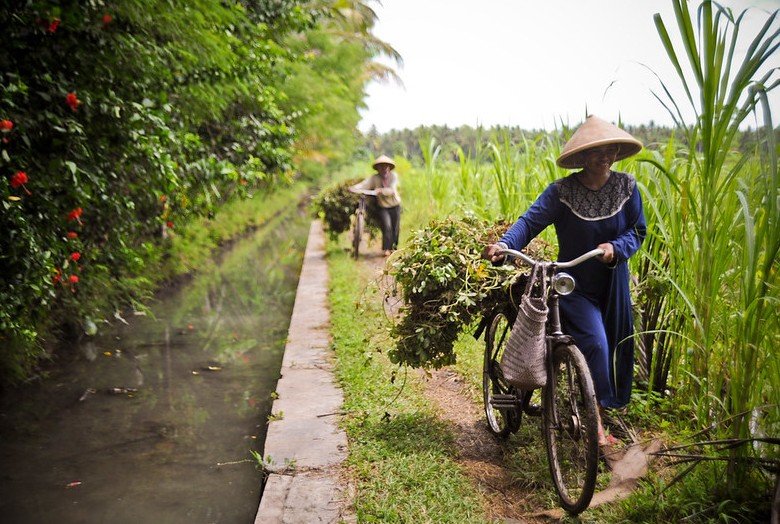
When I first visited a rice field in Central Java years ago, I didn’t realize I was stepping into the heartbeat of Indonesia. The smell of wet soil after the rain, the low hum of insects, and the sight of farmers in wide-brimmed hats bending gracefully over rows of young rice—it’s something you don’t forget. Agriculture here isn’t just a livelihood; it’s a rhythm of life, deeply tied to our traditions, food, and identity.

A Country Built on the Land

You can’t talk about Indonesia without talking about agriculture. With over 270 million people spread across 17,000 islands, food production isn’t just important—it’s essential. About 30{c3f6f8308c5f5052e199c6c595290199e9f7cf4afce39fb671d32a7b0ead7289} of the Indonesian workforce still depends on farming, fishing, or forestry. Even though cities like Jakarta and Surabaya are booming, agriculture remains the backbone that supports everything else.

But it’s not all lush paddies and coconut palms. Farming in Indonesia is complex. The geography itself is a challenge—mountains, volcanic soil, and wildly varying rainfall make every island unique. What grows easily in Bali might struggle in Kalimantan.

Rice: The Soul of Indonesian Agriculture

Rice isn’t just a crop here—it’s a way of life. We eat it for breakfast, lunch, and dinner. Some even joke that if you haven’t eaten rice, you haven’t really eaten.

I remember helping a farmer named Pak Surono in Yogyakarta once. He laughed when I asked why he still used buffaloes to plow instead of a tractor. “Machines break,” he said, patting the muddy buffalo. “But this one never quits.” That moment stuck with me. Despite technology making its way into farming, tradition still holds strong in Indonesia.

Indonesia produces roughly 35–40 million tons of rice per year, but that’s still not enough to meet demand. Some years we import from Thailand or Vietnam to fill the gap. Climate change, pests, and unpredictable weather patterns have made rice production more difficult. Yet, the determination of farmers is something to admire.

Beyond Rice: A Diversity of Crops

It’s easy to think Indonesia only grows rice, but oh, there’s so much more. From palm oil plantations in Sumatra to coffee farms in Toraja, agriculture here is as diverse as our islands.

Take palm oil, for instance. It’s a double-edged sword. Economically, it’s massive—Indonesia is the world’s largest producer, accounting for about 60{c3f6f8308c5f5052e199c6c595290199e9f7cf4afce39fb671d32a7b0ead7289} of global supply. The industry provides millions of jobs and brings in billions in export revenue. But, on the flip side, deforestation and habitat loss for orangutans and other wildlife have sparked global criticism.

I once visited a palm plantation in Riau Province. The contrast was shocking. On one side, endless rows of neatly planted palms; on the other, the ghostly remains of a forest that had once been alive with birdsong. It made me realize that sustainable farming isn’t just about producing food—it’s about balancing progress with responsibility.

Then there’s coffee, one of Indonesia’s hidden treasures. Regions like Aceh, Toraja, and Flores produce some of the most unique flavors in the world. I’ve tasted Sumatran coffee that had hints of chocolate and earth—bold and deep, like the people who grow it. The rise of specialty coffee shops in cities has given local farmers a chance to shine on the international stage.

The Struggles Farmers Face

Now, let’s be real—it’s not all sunshine and harvest festivals. Indonesian farmers face some serious challenges.

First, land fragmentation is a huge issue. The average farmer only owns about 0.3 hectares of land, which is barely enough to sustain a family. Because land inheritance is divided among children, farms keep getting smaller each generation. I’ve seen farmers plant rice on plots so tiny it barely makes economic sense.

Then there’s access to technology and financing. Many rural farmers can’t afford modern irrigation systems, high-quality seeds, or fertilizers. Even if they want to modernize, getting a loan can be nearly impossible without formal land titles or collateral.

And don’t even get me started on climate change. Shifting rainfall patterns, droughts, and floods have thrown traditional planting schedules out of whack. A farmer in Lombok once told me his rice yield dropped by half in a single year because the dry season came too early.

Government Initiatives and Modernization Efforts

To be fair, the Indonesian government isn’t sitting idle. Programs like “Upsus Pajale” (the special effort to increase rice, corn, and soybean production) have helped boost yields in many provinces. There’s also a big push toward digital agriculture, with apps that connect farmers to buyers or provide weather forecasts.

One program I found particularly interesting is “Kartu Tani” (Farmer’s Card). It’s a government-issued card that helps farmers access subsidized fertilizers and credit. I once spoke to a young farmer who used it to buy better quality seeds for his corn field. He told me his harvest improved by nearly 30{c3f6f8308c5f5052e199c6c595290199e9f7cf4afce39fb671d32a7b0ead7289}. That’s the kind of change that gives people hope.

The government’s Food Estate Program, aimed at developing large-scale farms in regions like Papua and Central Kalimantan, is another major move. But it’s not without controversy. Critics argue that such projects can threaten indigenous lands or fragile ecosystems if not managed carefully.

Local Wisdom and Traditional Practices

One thing I truly admire is how Indonesian farmers mix modern techniques with ancient wisdom.

For example, in Bali, farmers use a traditional irrigation system called Subak, which dates back to the 9th century. It’s not just about watering crops—it’s a spiritual and community-based system that reflects harmony between humans, nature, and the divine. UNESCO even recognized it as a World Heritage system.

In other areas, farmers plant mixed crops to protect the soil and reduce pest damage. I’ve seen fields where rice, corn, and chili grow side by side. It might look messy compared to neatly lined industrial farms, but it’s incredibly efficient and sustainable.

The Younger Generation’s Role

Now, this part excites me—the rise of young farmers and agri-entrepreneurs. For years, agriculture had a reputation for being “uncool.” Many young Indonesians left rural areas for cities, chasing office jobs. But lately, I’ve met more and more people returning to the land, armed with new ideas.

Take Ardi, a 28-year-old from Bandung. He started an urban hydroponic farm on his rooftop during the pandemic. He sells fresh lettuce and herbs to local cafes through Instagram. “I wanted to show that farming doesn’t have to mean getting dirty in a rice field,” he told me, laughing. His story isn’t unique anymore—digital platforms are changing the face of agriculture.

Technology: The New Frontier of Farming

When drones first started buzzing over fields in Java, people thought it was a gimmick. But now, tech is revolutionizing the game.

Farmers are using IoT sensors to monitor soil moisture, drones for crop spraying, and AI-based apps to predict weather or detect pests. It’s still early days, but the potential is huge. I once helped test a simple smartphone app that tracked rainfall patterns in Sumatra—it wasn’t perfect, but it made scheduling irrigation so much easier.

Still, technology adoption is uneven. Many older farmers find it confusing or too expensive. The challenge now is bridging that digital divide—training and empowering smallholders to use these tools effectively.

Organic and Sustainable Farming Trends

A few years ago, I tried growing my own vegetables organically—no chemicals, no pesticides. Let me tell you, it wasn’t easy. The bugs practically threw a party in my lettuce patch. But it taught me a lot about the struggles of organic farmers in Indonesia.

There’s a growing demand for organic produce, especially in urban markets. Consumers are becoming more health-conscious, and they’re willing to pay a premium. Regions like Bali, West Java, and East Nusa Tenggara are seeing more small-scale organic farms pop up.

The key challenge? Certification and market access. Getting certified as “organic” can be expensive and complicated. Many farmers end up selling their produce locally without labels, relying on trust instead of paperwork.

Export Powerhouses: Beyond the Local Market

Indonesia isn’t just feeding itself—it’s feeding the world. Aside from palm oil and coffee, the country exports cocoa, rubber, tea, and spices. You’ve probably tasted Indonesian nutmeg or cloves without realizing it.

I once visited a small cocoa farm in Sulawesi, where the owner proudly showed me how he fermented beans under banana leaves. The smell was rich and earthy. He said, “European buyers love this aroma.” That moment made me realize how deeply global trade is connected to tiny, rural farms thousands of miles away.

The Importance of Education and Farmer Training

If I could change one thing about Indonesian agriculture, it would be access to education. Too many farmers rely solely on traditional methods passed down from parents or neighbors. While that knowledge is valuable, combining it with scientific training could boost productivity and income.

Programs like field schools and extension services have helped, but they need to reach more people. I’ve seen how one workshop on composting or pest management can completely transform a farmer’s approach.

Challenges Ahead

Looking forward, Indonesia’s agricultural future depends on how well we handle three things:

  1. Sustainability,
  2. Technology adoption, and
  3. Climate resilience.

There’s no denying that deforestation, water shortages, and soil degradation are serious problems. But I’ve also seen incredible resilience in the people. Farmers are innovators by necessity—they adapt, experiment, and survive.

Lessons I’ve Learned

After spending years studying and observing agriculture in Indonesia, I’ve learned a few lessons:

  • Respect the land. It gives back what you put in. Over-farming might bring short-term profit, but it kills the soil for future generations.
  • Support local farmers. Every purchase counts. When you buy local rice, coffee, or vegetables, you’re supporting a chain of families and communities.
  • Be open to change. Technology can be intimidating, but it’s the key to surviving in today’s world.
  • Balance is everything. Progress means nothing if it destroys the very environment that sustains it.

A Hopeful Future for Indonesian Agriculture

I often think about that old farmer, Pak Surono, guiding his buffalo through the mud. He might not know about artificial intelligence or carbon footprints, but his connection to the land is something the world could learn from.

Indonesia’s agricultural story is one of struggle and strength, of tradition meeting innovation. It’s about finding harmony between feeding millions and protecting the planet. And honestly, I believe we’re heading in the right direction—slowly, maybe, but surely.

So next time you enjoy a cup of Sumatran coffee or a plate of fragrant nasi goreng, remember: behind every bite and every sip, there’s a farmer, a story, and a land that keeps giving—if we take care of it.

Agriculture Fresh Farm Garden Ideas

Agriculture Fresh Farm Garden Ideas

(Lessons, Experiments, and a Few Mistakes Along the Way)

I’ve always believed that a farm or garden should feel alive — not just in the sense that plants are growing, but in the way it breathes, interacts, and gives back. Over the years, I’ve turned patches of barren soil into vibrant ecosystems, made a few expensive mistakes (don’t even get me started on that overwatering incident back in ’09), and learned that sometimes, the best “ideas” in agriculture come from listening — not just to experts, but to the land itself.

When people ask me about fresh farm garden ideas, I always grin, because it’s a wide-open topic. Some folks want to start a backyard food plot. Others dream of turning their land into a small-scale organic farm. No matter where you fall, there are creative, sustainable, and downright fun ways to make your garden thrive — while still keeping it productive and eco-friendly.

So, let’s get into the good stuff. I’ll walk you through a handful of ideas that worked (and a few that didn’t), and hopefully, you’ll find something useful for your own farm or garden.

1. Start with Healthy Soil – Always

Let me tell you something I learned the hard way: no idea — not vertical gardening, not aquaponics, not heirloom seeds — will work if your soil’s dead.

Back in my early days, I bought into the myth that fertilizers could “fix” anything. I’d pour on those NPK mixes thinking I was giving my plants a boost. What I was really doing was masking poor soil health. Once I switched to focusing on organic matter, compost, and microbial life, everything changed.

Here’s what I do now: every fall, I add a thick layer of compost made from kitchen scraps, animal manure, and shredded leaves. I cover it with mulch — straw or grass clippings — and just let the microbes do their thing over winter. By spring, the soil’s dark, crumbly, and full of life.

Pro Tip: Try doing a simple soil test at least once a year. You’d be amazed at how many gardeners guess their soil’s pH wrong. Mine turned out to be more alkaline than I thought, which explained why my blueberries never looked happy.

2. Mix Crops Like Nature Does

Monoculture (planting just one crop) is easy but boring — and kind of a pest magnet. I learned this after losing half a tomato crop to hornworms one summer. Now, I mix things up. Literally.

In my garden, you’ll find tomatoes next to basil and marigolds (they repel certain pests). I grow lettuce under corn for shade. And I even sneak radishes between rows of carrots — they sprout fast and help loosen the soil.

This idea — often called companion planting — mimics how plants grow in natural ecosystems. Each species supports another, whether it’s by repelling pests, improving soil, or providing shade.

Some of my favorite combos:

  • Corn + Beans + Squash (The classic “Three Sisters”)
  • Cabbage + Dill + Onions
  • Tomatoes + Basil + Marigold
  • Lettuce + Carrots + Radish

You can find entire charts online, but trust me — experiment in your own space. Sometimes, plants surprise you.

3. Raised Beds: Easier Than You Think

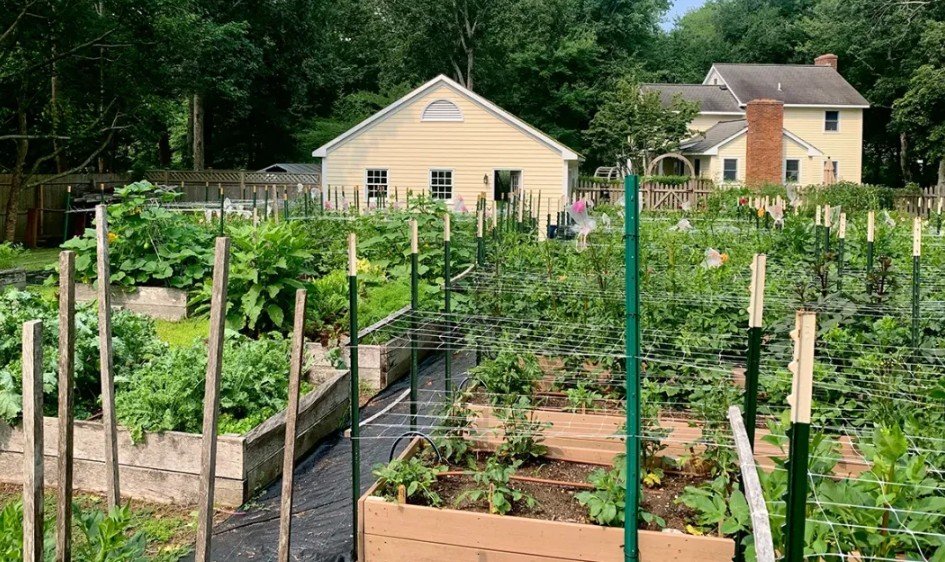
When I first heard about raised beds, I thought they were just a fancy trend for city gardeners. I was wrong. After building my first 4×8 raised bed from old pallet wood, I realized how much control it gave me.

For one, you can fine-tune the soil mix. I blend compost, topsoil, and coconut coir (it holds moisture without getting soggy). Raised beds also drain better, which means fewer root rot issues.

And if your land has heavy clay or rocky patches, raised beds are a lifesaver. You can start growing right away without waiting years to improve the ground.

Plus, they just look good. Clean edges, neat rows — a little structure goes a long way.

4. Drip Irrigation – My “Why Didn’t I Do This Sooner?” Moment

If you’ve ever hand-watered a large garden, you know it’s relaxing… for about 10 minutes. Then it becomes a chore. I used to water my whole plot with a hose until I realized half the moisture was evaporating before it hit the roots.

Installing a drip irrigation system was a game changer. It delivers water directly to the soil near the plant roots, reducing waste and keeping leaves dry (which prevents fungal diseases).

I set mine on a timer to run early morning for 20 minutes — that’s it. The system paid for itself in one season through lower water bills and healthier plants.

If you’re serious about gardening, this one’s non-negotiable.

5. Embrace Composting — Gold for the Garden

I used to think composting was messy. Truth is, if it smells, you’re doing it wrong. The trick is balancing “greens” (like food scraps, grass) and “browns” (like leaves, cardboard). I use a simple 3-bin system — one for fresh scraps, one for mid-decomposing material, and one that’s ready to use.

After a few months, what comes out looks like dark chocolate soil — rich, crumbly, and full of nutrients.

Sometimes, I even brew “compost tea.” I soak finished compost in a bucket of water for a day, strain it, and use it as a natural fertilizer. My tomatoes adore it.

6. Go Organic, Even if It’s Not Perfect

There’s a misconception that organic farming is expensive or complicated. I get it — the certification process can be, but the practice itself isn’t.

I stopped using chemical pesticides years ago. Instead, I rely on neem oil, insecticidal soap, and good old-fashioned hand-picking (yes, I’ve spent hours chasing cabbage worms — it’s oddly therapeutic).

You don’t need to be 100{c3f6f8308c5f5052e199c6c595290199e9f7cf4afce39fb671d32a7b0ead7289} organic to make progress. Even small steps — like avoiding synthetic fertilizers or rotating crops — can make a massive difference in soil health and yield.

7. Backyard Greenhouse Magic

One of the best investments I ever made was a small greenhouse — just 10×12 feet, nothing fancy. It lets me start seedlings early, extend the season, and experiment with crops that normally wouldn’t survive here.

In winter, I grow leafy greens and herbs in raised troughs. In early spring, I start my peppers and tomatoes while it’s still snowing outside.

Pro tip: paint a few stones black and place them near the plants. They absorb heat during the day and release it at night, keeping temperatures more stable.

8. Chickens: The Garden Helpers You Didn’t Know You Needed

For years, I thought chickens were just for eggs. Turns out, they’re incredible for pest control and soil aeration.

I built a small mobile chicken coop — we call it the “chicken tractor.” Every few days, I move it to a new section of the garden. The hens scratch up weeds, eat bugs, and leave behind natural fertilizer.

It’s a win-win: cleaner garden, healthier soil, and happy birds.

9. Try Aquaponics or Hydroponics (If You Like Techy Stuff)

I’ll admit, I was skeptical of aquaponics — growing plants and fish together in a closed system — but after setting up a small trial, I was hooked. The fish waste feeds the plants, and the plants clean the water.

My tilapia system only took a few weeks to balance, and I’ve harvested lettuce and basil year-round.

For anyone limited on space, hydroponics or aquaponics can produce crazy yields. Just be prepared to learn about water chemistry — pH, nitrates, ammonia, etc. It’s like gardening meets science fair, and honestly, it’s fun once you get the hang of it.

10. Integrate Pollinator Zones

One of the most underrated farm ideas is dedicating space for pollinators. A few years ago, I planted a strip of wildflowers along the fence line — lavender, sunflowers, coneflowers, and zinnias.

Within weeks, the bee activity doubled. My cucumbers and squash yields improved noticeably. I even spotted monarch butterflies, which hadn’t visited in years.

So if you can, let a few corners go wild. Pollinators are the quiet workforce of your garden, and they deserve the VIP treatment.

11. Farm-to-Table Mindset

Even if you’re not selling produce, think like a farm-to-table grower. Plan your crops around what you actually eat.

I used to grow rows of turnips just because they were “easy.” Problem was, no one in my house liked them. Now I plan based on meals — tomatoes for sauces, peppers for grilling, herbs for cooking. Nothing goes to waste, and it feels more intentional.

12. Smart Crop Rotation

Every season, rotate where you plant different crops. This keeps the soil balanced and breaks pest cycles.

Here’s my basic system:

  • Year 1: Legumes (beans, peas) to add nitrogen.
  • Year 2: Leafy greens and root crops.
  • Year 3: Fruiting crops like tomatoes and peppers.

It’s simple but effective. I mark my plots with stakes and jot down what was planted where in a little notebook — nothing fancy, but it saves me headaches later.

13. Rainwater Harvesting – Cheap and Smart

Installing a rain barrel was one of those “why didn’t I do this sooner” moments. I attached it to the gutter on my shed and added a spigot at the bottom. During the rainy season, it fills up fast, and that free water keeps my garden thriving even during dry spells.

If you’re in a place that allows it, rainwater harvesting is a no-brainer. Plants love it because it’s free of chlorine and chemicals.

14. Keep a Garden Journal

This one sounds boring, but it’s gold. I jot down what I plant, when I plant it, how the weather behaves, what pests show up, and what fails miserably.

After a few seasons, you start to notice patterns. For instance, I learned that planting zucchini before mid-May almost always ends in frost damage. Now, I wait.

It’s these little notes that turn you from a gardener into a real grower.

15. Stay Curious and Keep Experimenting

The best gardens are the ones that evolve. Every year, I try at least one new experiment — new compost mix, unusual seed variety, or different planting technique.

Last year, I tried growing sweet potatoes in containers — didn’t expect much, but they thrived. The year before that, I built a mini worm farm for vermicomposting, and now I can’t imagine gardening without it.

16. Mindset Matters More Than Tools

You don’t need expensive gear or fancy setups. I’ve seen incredible gardens grown with little more than buckets and determination.

What matters most is patience, observation, and care. Plants will tell you what they need — leaves curl, colors fade, growth slows — you just have to listen.

Some days the garden humbles you. Other days, it rewards you beyond measure. That’s what keeps me coming back.

17. A Few Mistakes I’ll Never Repeat

Because hey, it’s not all sunshine and harvests. Here are a few blunders I’ve made so you don’t have to:

  • Overwatering seedlings. They need damp, not drenched.
  • Ignoring crop spacing. Crowded plants fight for nutrients.
  • Skipping mulch. That one summer, weeds took over and I swore never again.
  • Not rotating crops. My peppers got hit with nematodes. Lesson learned.

Failure’s just part of the process. What matters is learning and laughing through it.

18. The Joy of Sharing Your Harvest

If you’ve ever handed a neighbor a basket of homegrown veggies, you know the feeling. There’s something pure about it — connecting people through food you grew with your own hands.

I’ve made lifelong friends just by swapping produce and garden stories. It reminds me that agriculture isn’t just about plants — it’s about community.

19. The Big Picture: Sustainability and Legacy

When I think about fresh farm garden ideas, I’m not just thinking trendy techniques. I’m thinking legacy — something that lasts. Whether you’re working one raised bed or fifty acres, the goal’s the same: grow food responsibly, enrich the soil, and leave it better than you found it.

Sustainability isn’t about perfection. It’s about progress — composting a little more, wasting a little less, teaching a neighbor what you know.

20. Final Thoughts

If there’s one thing decades of farming have taught me, it’s that the best gardens aren’t the prettiest — they’re the ones that feed, teach, and inspire.

Every mistake becomes a story, every harvest a celebration. Agriculture isn’t a job; it’s a relationship with nature — a long, patient, rewarding one.

So, start small. Dream big. Keep your hands dirty, your compost warm, and your curiosity alive. The garden will do the rest.

Agriculture in the United States

Agriculture in the United States

I’ve spent more than four decades working around American farms, and if there’s one thing I’ve learned, it’s that agriculture in the United States isn’t just about growing crops — it’s about growing communities, innovation, and resilience. From the cornfields of Iowa to the vineyards of California, the agricultural landscape here tells a story that’s deeply woven into the nation’s identity. And honestly, even after all these years, I’m still fascinated by how fast things keep changing.

The Backbone of America’s Economy

You can’t talk about the U.S. without talking about its farms. Agriculture contributes over a trillion dollars annually to the economy when you include food-related industries. And while most people picture wide-open fields with tractors plowing away, the truth is, agriculture here is incredibly diverse — grains, livestock, dairy, fruits, vegetables, nuts, timber, and even aquaculture.

I remember visiting a farm in Kansas about 20 years ago where a family grew both wheat and soybeans. The father told me, “This land’s been in my family for five generations. My great-granddad broke this soil with a mule.” That stuck with me. Because behind every statistic, there’s a human story — of grit, sweat, and hope.

A Landscape of Diversity

One of the most beautiful things about U.S. agriculture is how much it varies by region. Out west, you’ve got massive cattle ranches and fruit orchards. Down south, there’s cotton, peanuts, and rice. The Midwest? Corn and soybeans rule there. And up north, you’ll find dairy farms that make some of the creamiest milk and cheese I’ve ever tasted.

I once worked with a vineyard in Napa Valley for a soil health project — fancy way of saying we were testing how composted manure and cover crops could improve grape quality. Turns out, small tweaks in soil management made a huge difference in flavor. That’s when it hit me — farming isn’t just science; it’s also art.

The Shift Toward Technology

Now, if you’ve been around farms lately, you’ve probably noticed something: tractors that drive themselves, drones flying overhead, soil sensors sending real-time data to apps. Welcome to smart agriculture. It’s wild.

Back in the early 2000s, we thought GPS-guided tractors were groundbreaking. Now, AI and machine learning are taking precision agriculture to a whole new level. Farmers can map soil nutrients, predict yields, and even monitor plant health from their phones. It’s not perfect — the cost of adopting these tools can be a real barrier for small farmers — but it’s helping reduce waste, improve productivity, and protect the environment.

I remember once testing a new irrigation system in California’s Central Valley. It was designed to measure soil moisture and adjust water flow automatically. On paper, it sounded flawless. In reality, we had a few days where the Wi-Fi went down, and the crops got a little too dry. Lesson learned: always have a manual backup plan, no matter how “smart” your farm gets.

Sustainability: The New Frontier

Let’s be real — agriculture has a complicated relationship with the environment. It’s both a contributor to and a victim of climate change. Droughts, floods, and unpredictable weather patterns are becoming more common, and farmers are being forced to adapt.

Sustainability isn’t just a buzzword anymore; it’s survival. I’ve seen farms switch to regenerative practices — things like cover cropping, reduced tillage, rotational grazing, and integrated pest management. These methods rebuild soil health, capture carbon, and make the land more resilient.

One of the farms I consult with in Nebraska started using cover crops after years of erosion issues. Within three years, their soil organic matter increased by 2{c3f6f8308c5f5052e199c6c595290199e9f7cf4afce39fb671d32a7b0ead7289}, and their water retention improved dramatically. The farmer joked, “I used to pray for rain, now I pray it doesn’t flood!” That’s the kind of progress we need — practical, measurable, and sustainable.

The Role of Family Farms

A lot of folks assume agriculture is dominated by massive corporations, and while agribusiness plays a big role, family farms still make up about 96{c3f6f8308c5f5052e199c6c595290199e9f7cf4afce39fb671d32a7b0ead7289} of all U.S. farms. That’s something to be proud of.

These are people who know their land intimately. They pass down not just property but wisdom — how to read the sky, when to plant by feel rather than forecast, how to fix a broken water pump with nothing but duct tape and determination.

But it’s not easy. Many of these families struggle with fluctuating prices, debt, and labor shortages. I’ve sat at kitchen tables with farmers who couldn’t sleep because of rising fertilizer costs or trade tariffs cutting into their profits. Farming’s not for the faint of heart; it’s a gamble every season.

Labor Challenges and Immigration

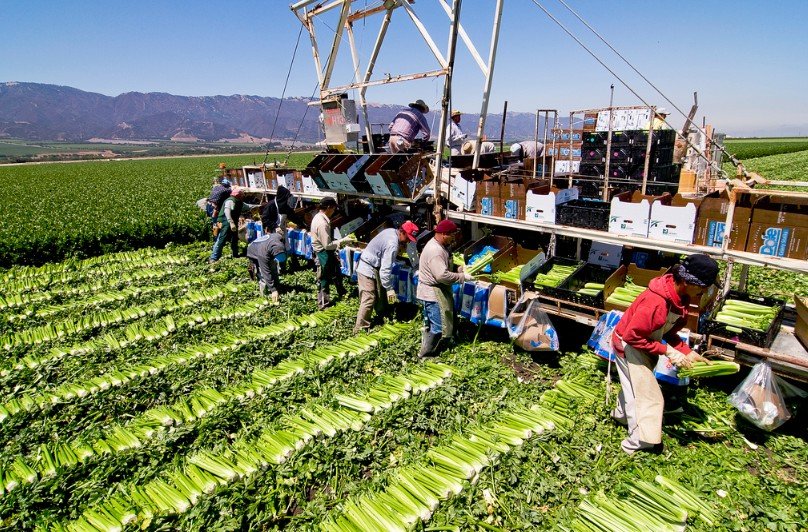
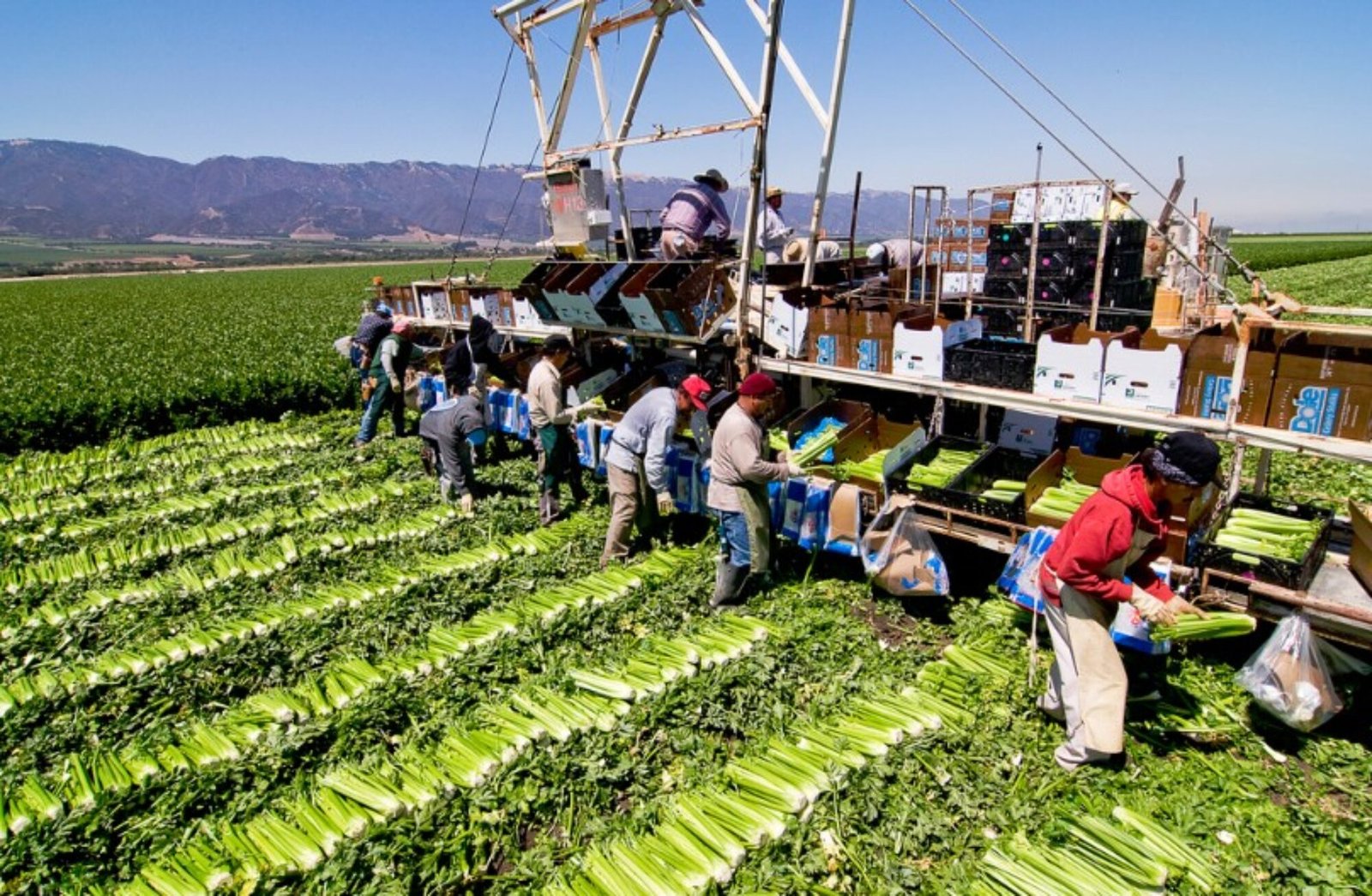
Let’s talk about something often overlooked: farm labor. Agriculture in the U.S. relies heavily on migrant and seasonal workers, many from Mexico and Central America. These workers are the backbone of our fruit and vegetable production, especially in states like California, Florida, and Texas.

I once worked on a citrus farm in Florida during harvest season. The team picked thousands of pounds of oranges a day, moving fast under the blazing sun. The labor was intense — something most folks don’t see when they buy a carton of juice at the store.

There’s ongoing debate about fair wages, working conditions, and immigration reform. But from my experience, improving labor conditions isn’t just the right thing to do — it’s good business. Happier, healthier workers mean better yields and lower turnover.

The Organic and Local Food Movement

You’ve probably noticed the explosion of farmers markets and organic food in recent years. The demand for local, sustainable, and organic produce has reshaped U.S. agriculture. Consumers want to know where their food comes from — and who grows it.

I started experimenting with organic practices back in the late ’90s, mostly because I was curious. My first attempt at organic tomato farming was, well, a disaster. The weeds won, and the pests had a feast. But I learned a lot — about soil biology, crop rotation, and patience. Now, organic farming is a serious, science-driven sector.

In 2024, the U.S. had over 18,000 certified organic farms. That’s a massive jump from just a decade ago. And the best part? Many small farms are finally finding financial stability through direct-to-consumer sales, CSAs (Community Supported Agriculture), and online delivery systems.

Challenges Facing Modern Farmers

Farming today isn’t just about growing food; it’s about managing risk. Climate uncertainty, global competition, rising input costs, and fluctuating markets all make it tough. Add to that the pressure of debt, aging farmers, and younger generations leaving rural areas — it’s a perfect storm.

A farmer friend of mine in Wisconsin once told me, “I’m not afraid of hard work, but I am afraid of uncertainty.” And he’s right. Crop insurance helps, government programs offer some relief, but the mental toll of farming is real.

That’s why mental health awareness is becoming more important in agricultural communities. We’re seeing more outreach programs, hotlines, and peer support groups for farmers dealing with stress and burnout. It’s about time we started talking about that.

Government Support and Farm Policy

U.S. agricultural policy has always been a balancing act — protecting farmers, stabilizing markets, and promoting exports. The Farm Bill, updated roughly every five years, covers everything from crop insurance to conservation programs.

I used to think government paperwork was the worst part of farming, and honestly, it still kind of is. But programs like EQIP (Environmental Quality Incentives Program) and CSP (Conservation Stewardship Program) have helped many farms transition toward sustainable practices.

The USDA’s recent focus on climate-smart agriculture is a step in the right direction. They’re funding projects that reduce emissions, improve soil health, and promote renewable energy on farms. It’s slow-moving, but progress is progress.

Innovation and the Future of U.S. Agriculture

The future of American agriculture looks different than it did when I started. We’re talking about vertical farming in urban warehouses, hydroponics that use 90{c3f6f8308c5f5052e199c6c595290199e9f7cf4afce39fb671d32a7b0ead7289} less water, and lab-grown meat that could change the entire protein industry.

While some old-timers roll their eyes at this stuff, I think it’s exciting. Change is hard, but necessary. We can’t feed a growing population with outdated methods forever. I’ve seen college students design robotic weeders that outperform manual labor — and solar-powered drones that detect crop diseases before the naked eye can see them.

The key will be blending tradition with technology — honoring the wisdom of generations while embracing the innovations of the next.

The Human Side of Agriculture

For all the talk about technology and policy, what keeps me grounded are the people. Farmers, ranchers, scientists, truck drivers, co-op workers — they’re all part of the same chain that puts food on America’s tables.

I’ve shared countless cups of coffee with farmers before sunrise, talking about weather patterns and yield forecasts. I’ve watched kids run through cornfields while their parents fixed irrigation leaks. That’s what agriculture is really about — people.

It’s easy to forget that behind every loaf of bread or glass of milk, there’s someone who worked dawn to dusk to make it happen. And that’s why I’ll always say farming is one of the most honorable professions out there.

Lessons I’ve Learned Along the Way

After decades in this field, I’ve made my share of mistakes — planting too early, trusting the wrong forecast, over-fertilizing, underestimating pests. But every failure was a lesson.

I’ve learned that good soil is worth more than gold. That you can’t fight nature — you have to work with it. That community matters, because no one can farm alone. And most importantly, that even when times are tough, the land always finds a way to give back if you treat it right.

Final Thoughts

Agriculture in the United States is a living, breathing system — one that feeds the world while constantly evolving. It’s tough, unpredictable, and sometimes downright frustrating. But it’s also deeply rewarding.

Whether you’re managing a thousand-acre farm in the Midwest or growing lettuce in a backyard greenhouse, you’re part of something bigger — a legacy that connects generations and shapes the nation’s future.

So, if you’re thinking of getting into farming or just want to understand where your food comes from, take a trip to a local farm. Shake a farmer’s hand. Ask questions. You’ll walk away with a new appreciation for the soil, the sweat, and the science behind every meal.

Because at the end of the day, agriculture isn’t just an industry — it’s a way of life.

Agriculture in Vietnam

Agriculture in Vietnam

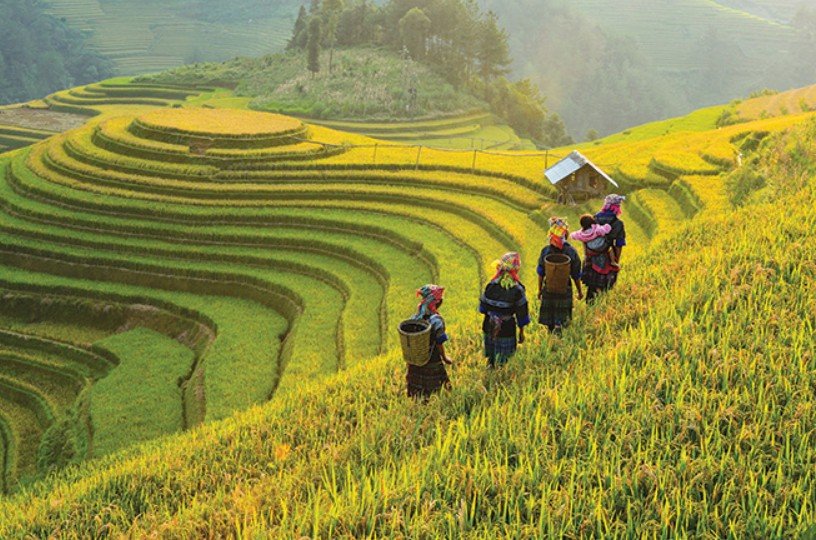
I still remember the first time I set foot in a Vietnamese rice paddy. It was early morning, the air smelled like wet soil and new beginnings, and farmers were already knee-deep in muddy water, their conical hats glistening under the first rays of sunlight. That sight alone said everything about Vietnam’s heart — agriculture isn’t just an industry here; it’s a way of life. It’s history, culture, and resilience rolled into one.

The Soul of Vietnam Lies in Its Fields

Agriculture in Vietnam isn’t something you can talk about without emotion. It’s deeply intertwined with the people’s identity. Around 60–65{c3f6f8308c5f5052e199c6c595290199e9f7cf4afce39fb671d32a7b0ead7289} of Vietnam’s population still lives in rural areas, and while many younger folks are moving to cities, farming remains the backbone of the economy. I’ve met farmers in the Mekong Delta who’ve been growing rice for generations — same plots, same rhythm, just different challenges.

The country’s fertile land and tropical climate make it perfect for diverse crops — from rice and coffee to pepper, cashews, and rubber. But if there’s one thing Vietnam is globally known for, it’s rice. Often called the “rice bowl of Southeast Asia,” the Mekong Delta alone produces more than half of the country’s total rice output.

I once visited a family-run farm near Can Tho. The owner, Mr. Phuc, laughed when I asked how long his family had been farming there. “Longer than your country’s been independent,” he said, half-jokingly. He explained how the flooding seasons, though inconvenient, bring nutrients that keep the soil fertile year after year. It reminded me that what seems like chaos in nature often hides perfect balance.

The Rise of Modern Agriculture

Now, Vietnam isn’t just about traditional farming anymore. Over the last two decades, the country’s agriculture has gone through what I like to call a quiet revolution. Mechanization, smart irrigation, and organic farming have started to take root. Farmers are shifting from subsistence farming to agribusiness — producing not just for local markets but for export.

I remember a trip to Lam Dong province, where I saw greenhouses full of hydroponic lettuce and cherry tomatoes. It blew my mind. Ten years ago, this area was mostly pine trees and coffee plants. Today, young farmers are using drip irrigation systems and smartphone apps to monitor moisture levels and nutrient balance.

Of course, not everything runs smoothly. Many smallholder farmers still struggle to afford these technologies. A friend of mine in Da Lat, who grows roses, told me he spent nearly two years’ worth of savings to install a simple greenhouse cooling system. “It’s risky,” he said, “but better than watching my flowers burn in the dry season.”

That’s Vietnam’s agricultural story in a nutshell — a mix of courage, adaptation, and sheer stubborn determination.

The Big Crops: What Vietnam Grows Best

When people think of Vietnamese agriculture, rice usually steals the spotlight. But there’s so much more going on beyond the paddies.

  1. Rice – The Lifeblood

Vietnam consistently ranks among the top three rice exporters in the world, alongside India and Thailand. The Mekong Delta and the Red River Delta are the two major rice-growing regions. I once talked to a local extension officer who said, “If you drop a handful of rice seeds here, something will grow — even if you forget about it.” That’s how fertile these plains are.

But there’s a challenge: climate change. Rising sea levels and salinity intrusion threaten thousands of hectares of rice fields. Farmers are experimenting with salt-tolerant rice varieties and alternating rice-shrimp systems. I’ve seen shrimp ponds dug right next to rice fields — it’s genius, really. When the water gets too salty for rice, they switch to shrimp farming.

  1. Coffee – Vietnam’s Hidden Powerhouse

Here’s something many folks don’t realize: Vietnam is the world’s second-largest coffee producer, right after Brazil. Most of it comes from the Central Highlands — Dak Lak, Gia Lai, and Lam Dong. The country mostly grows robusta beans, known for their strong, earthy flavor.

I visited a small cooperative in Buon Ma Thuot once. The farmers were switching from chemical fertilizers to composted coffee husks. The smell was… let’s just say “unique,” but the results were clear — healthier plants, better yields, and richer soil. That’s when I realized sustainability isn’t just a buzzword here. It’s survival.

  1. Pepper and Cashew – The Spices of Trade

Vietnam is also a global leader in black pepper production. I once helped a family in Phu Quoc harvest pepper berries, and let me tell you — those vines climb like crazy. It’s hard work, but it pays off.

Cashew production, mostly in southern provinces like Binh Phuoc, has also become a key export sector. I met a cooperative that started processing cashews locally instead of exporting raw nuts. It doubled their income. Sometimes it’s not about growing more — it’s about being smarter with what you already grow.

  1. Aquaculture – The Future Frontier

Now, if there’s one sector that’s exploding, it’s aquaculture. Fish, shrimp, and seafood exports bring in billions each year. The Mekong Delta, with its endless canals, is practically made for it. I once watched a farmer feed tilapia using an automatic feeder powered by solar panels. Ten years ago, that would’ve sounded like science fiction.

But aquaculture also brings environmental challenges — water pollution, disease outbreaks, and habitat loss. I’ve seen ponds turn black after overfeeding or antibiotic misuse. That’s why sustainable aquaculture practices, like biofloc systems and recirculating tanks, are catching on. They’re not perfect, but they’re progress.

The Struggles Beneath the Success

For all the progress Vietnam’s agriculture has made, it’s not without its growing pains. Small-scale farmers still make up the majority, and they often face limited access to credit, technology, and markets. I’ve sat at kitchen tables listening to farmers talk about debt — how one bad harvest can set them back for years.

Then there’s climate change. It’s not an abstract threat here; it’s real. Droughts hit the Central Highlands hard, while saltwater creeps up the Mekong. A friend in Tra Vinh once joked, “We used to pray for rain. Now we pray it doesn’t flood.”

Government programs and NGOs are stepping in with training and microloans, but the gap between big agribusinesses and smallholders keeps widening. That’s why I always say — modernization is great, but inclusivity is what really matters.

Sustainable Agriculture: The Path Forward

One of the most inspiring things I’ve seen in Vietnam is the shift toward sustainable agriculture. Organic farms are sprouting up everywhere, from Hanoi’s outskirts to the highlands of Da Lat. These farmers aren’t just thinking about profits; they’re thinking about soil health, biodiversity, and the next generation.

I visited an organic tea farm in Yen Bai that uses intercropping — planting ginger and turmeric between tea rows. It’s brilliant because it controls weeds naturally and improves income diversity. The owner told me he used to spray pesticides every week. Now, he hasn’t used chemicals in three years. “The soil smells alive again,” he said. That stuck with me.

The Vietnamese government has been promoting “green agriculture” policies, too — encouraging less chemical use, more renewable energy, and sustainable irrigation. I once helped train local farmers on composting and biofertilizers. Watching their curiosity grow into confidence was something I’ll never forget.

The Human Side of Farming

At the end of the day, farming is about people. It’s about waking up before dawn, checking the weather with one hand and holding a hoe in the other. It’s about betting your year’s income on what the clouds decide to do.

I’ve shared meals with farmers who had nothing fancy — just rice, fish sauce, and a smile — yet they offered it like it was a feast. I’ve seen young entrepreneurs come back from the city to start organic farms because they wanted a life with meaning, not just money.

That’s the spirit of Vietnamese agriculture — hardworking, humble, and hopeful. It’s not always pretty, but it’s real.

Lessons Learned Along the Way

If I’ve learned anything from years of watching Vietnam’s agricultural journey, it’s this: progress takes patience. You can’t just throw money or technology at a field and expect magic. You’ve got to respect the land, understand its rhythm, and work with it, not against it.

One mistake I made early on was assuming farmers needed to be “taught” sustainability. Turns out, they already knew — they just didn’t have the tools. When I listened instead of lectured, things changed. Together we found practical ways to improve yields without depleting the soil.

Vietnam’s farmers are innovators in their own right. They might not use fancy terms like “agroecology” or “circular economy,” but they’ve been practicing it for generations — composting, rotating crops, using ducks for pest control. It’s all there, just waiting to be recognized.

The Global Impact of Vietnamese Agriculture

Vietnam’s agricultural exports are nothing short of impressive. In recent years, the country has been shipping rice, coffee, pepper, and seafood to more than 180 countries. It’s become a key player in global food security.

But there’s still a gap between being a producer and being a brand. Vietnamese coffee, for instance, often gets mixed with beans from other countries before being sold. The government is pushing for “Made in Vietnam” branding to change that, which I think is a smart move.

The world is starting to notice Vietnam’s potential not just as a supplier but as a model of resilience. When you see farmers adapting to floods, droughts, and market shifts all at once — and still managing to feed millions — that’s something worth learning from.

My Final Thoughts

Agriculture in Vietnam is a beautiful contradiction — ancient yet modern, simple yet complex, fragile yet incredibly strong. Every time I visit, I see the same thing: farmers who might not have much in their pockets but have a deep well of wisdom and grit.

If you ever get the chance to visit a Vietnamese farm, do it. Watch the sun rise over a rice field. Hear the laughter of farmers as they rest after a long day. You’ll understand why this country’s future will always be rooted — quite literally — in its soil.

And if you’re someone looking to get into agriculture or agribusiness, Vietnam offers endless lessons. From resource management to resilience, there’s so much to learn. But most importantly, you’ll learn that farming isn’t just about crops. It’s about people, patience, and purpose.

So yeah, agriculture in Vietnam isn’t perfect. It’s muddy, unpredictable, and sometimes frustrating. But it’s also inspiring, full of heart, and constantly evolving — much like Vietnam itself.