I. Emerging Agricultural Research Trends Shaping the Future of Farming
Agriculture is entering one of the most transformative periods in its history. As global populations rise, climate pressures intensify and natural resources become increasingly constrained, researchers worldwide are racing to develop smarter, more resilient, and more sustainable farming solutions. These innovations aren’t abstract concepts—they’re shaping the future of how we grow, harvest and manage food systems.
In this article, we’ll explore the most important emerging agricultural research trends and examine how they are paving the way toward a more productive and sustainable agricultural future.
II. Climate-Resilient Crop Development
As climate change intensifies, developing crops that can withstand extreme environmental stresses has become one of the most critical areas of agricultural research. Unpredictable weather patterns, prolonged droughts, rising temperatures and increased salinity are already affecting global food production. To secure future harvests, scientists are working to create crop varieties capable of thriving under these challenging conditions.
A. Advances in Genetic Engineering
Breakthroughs in genetic tools—most notably CRISPR gene editing—are enabling researchers to precisely modify plant DNA to enhance resilience. Unlike conventional breeding, which may take decades, modern gene-editing technologies allow scientists to identify and alter specific genes responsible for stress tolerance. This accelerates the development of crops that can handle climate-induced challenges.
B. Drought-, Heat- and Salinity-Tolerant Varieties
Research programs worldwide are prioritizing crops that continue to grow and yield even when water is scarce or temperatures spike. Some key advancements include:
- Drought-tolerant maize and wheat designed to remain productive with minimal water
- Heat-tolerant rice varieties capable of surviving prolonged high temperatures
- Salinity-resistant legumes and cereals that can grow in degraded or coastal soils
These innovations are essential for regions already facing water scarcity and soil salinization.
C. Breeding for Pest and Disease Resistance
Climate change often triggers new pest infestations and expands the geographic range of existing ones. Scientists are now developing crop varieties with natural resistance to emerging pathogens and insect threats. Through hybrid breeding, molecular markers and genomic selection, researchers can quickly identify resilient traits and incorporate them into commercial crops. This reduces reliance on chemical pesticides and strengthens overall crop health.
D. Importance for Global Food Security
Climate-resilient crops aren’t just an agricultural milestone—they’re a foundation for global stability. As extreme weather becomes more frequent, stable crop yields will be essential for maintaining food supplies, preventing price volatility and supporting vulnerable farming communities. Research-driven crop varieties that can survive tough conditions will play a major role in sustaining food production for future generations.
III. Precision Agriculture & Data-Driven Farming
Precision agriculture has rapidly evolved from a futuristic concept into a fundamental pillar of modern farming. By leveraging digital technologies, data analytics and automated systems, farmers can now make informed decisions that significantly enhance productivity, reduce input costs and minimize environmental impact. Research in this field continues to expand, offering innovative tools that transform how we monitor, manage and optimize agricultural operations.
A. Growth of IoT and Sensor-Based Farming
The Internet of Things (IoT) is revolutionizing the farm environment by connecting devices, sensors and machines into a unified data ecosystem. Soil probes, moisture sensors, weather stations and nutrient monitors provide real-time insights into field conditions. These continuous data streams allow farmers to detect issues early—such as nutrient deficiencies or irrigation needs—enabling fast and accurate interventions that boost crop performance.
B. Drone and Satellite Monitoring Systems
Unmanned aerial vehicles (UAVs) and satellite imagery have become essential tools for modern agricultural research. Drones equipped with multispectral cameras offer detailed, high-resolution images that can reveal plant stress, pest infestations and field variability long before they are visible to the human eye. Satellite systems provide large-scale, repeatable data on crop growth and land use, making them especially valuable for large farms and government research programs.
C. AI-Driven Analytics and Yield Prediction
Artificial intelligence (AI) and machine learning algorithms analyze vast amounts of farm data to uncover patterns and generate actionable insights. AI-driven platforms can:
- Predict yield outcomes with remarkable accuracy
- Recommend optimal planting dates
- Identify early signs of disease or nutrient stress
- Suggest resource-efficient management strategies
This level of predictive capability helps farmers plan ahead and optimize operations from planting to harvesting.
D. Precision Irrigation and Fertilization
Water and fertilizer inputs can be costly—and when applied inefficiently, they can harm both crops and the environment. Precision agriculture research focuses on delivering the right amount of resources at the right time and place. Technologies such as drip irrigation automation, variable-rate fertigation and soil moisture analytics help reduce waste while ensuring that plants receive what they need to grow productively.
E. Benefits: Efficiency, Sustainability and Cost Reduction
The overarching impact of precision agriculture is transformative. By using accurate data and intelligent systems, farmers can:
- Increase yields with fewer resources
- Reduce fertilizer and pesticide use
- Minimize water consumption
- Lower overall production costs
- Maintain environmental sustainability
As climate and economic pressures intensify, the adoption of precision agriculture and data-driven tools will continue to rise, making it one of the most influential trends shaping the future of farming.
IV. Soil Health & Regenerative Agriculture Research
Healthy soil is the backbone of productive agriculture, yet decades of intensive farming have degraded soil quality in many regions. In response, researchers are intensifying efforts to understand soil ecosystems and promote regenerative practices that restore and enhance long-term soil fertility. This research is reshaping how farmers approach land management, emphasizing ecological balance, biodiversity and sustainability.
A. Soil Microbiome Discoveries
Recent advances in molecular biology have allowed scientists to study soil microbiomes in unprecedented detail. The soil microbiome—composed of bacteria, fungi, protozoa and other microorganisms—plays a critical role in nutrient cycling, plant growth and disease resistance. Research shows that boosting microbial diversity can improve soil structure, increase nutrient availability and enhance plant resilience. These findings are encouraging the development of new microbial inoculants and biological soil amendments.
B. Carbon Sequestration Research
Soil is one of the planet’s largest carbon sinks, and regenerative agriculture is proving to be an effective strategy for capturing atmospheric carbon. Studies are exploring how practices such as no-till farming, cover cropping and compost application increase organic matter content and lock carbon into the soil for long periods. This not only improves soil health but also supports global efforts to mitigate climate change by reducing greenhouse gas concentrations.
C. Regenerative Farming Practices
Regenerative agriculture focuses on rebuilding soil health through practices that work with natural systems rather than against them. Key research-backed methods include:
- Cover cropping to minimize erosion and replenish nutrients
- Reduced or no-till farming to preserve soil structure and microbial habitats
- Diverse crop rotations to break pest cycles and enhance biodiversity
- Agroforestry systems that enrich soil and create microclimates
Studies consistently show that these practices lead to higher organic matter levels, better water retention and increased long-term productivity.
D. Improving Long-Term Productivity Through Soil Restoration
Healthy soils are more resilient to drought, erosion and nutrient loss. Research demonstrates that improving soil structure and biological activity can significantly increase crop yields over time while reducing reliance on synthetic fertilizers. As farmers adopt regenerative techniques, they often experience improved profitability due to lower input costs and enhanced soil performance.
V. Agricultural Biotechnology & Microbial Innovations
Agricultural biotechnology has entered a new era, offering powerful tools to enhance crop productivity, strengthen plant resilience and reduce reliance on chemical inputs. Alongside biotechnology, microbial innovations are emerging as sustainable solutions for boosting soil health and improving plant performance. Together, these breakthroughs are shaping a more efficient and environmentally friendly future for global agriculture.
A. Biofertilizers and Their Impact on Nutrient Uptake
Biofertilizers are becoming a vital component of sustainable farming systems. Instead of relying solely on synthetic fertilizers, researchers are developing microbial-based formulations that help plants access essential nutrients naturally. These beneficial microbes—such as nitrogen-fixing bacteria, phosphate-solubilizing organisms and mycorrhizal fungi—improve nutrient absorption and enhance root system development. Research shows that biofertilizers can significantly increase yields while reducing costs and minimizing nutrient runoff into the environment.
B. Biopesticides Reducing Chemical Inputs
Chemical pesticides have long been a concern due to their environmental and health impacts. In response, scientists are creating biopesticides derived from living organisms like bacteria, fungi and plant extracts. These biological agents target pests and diseases with precision, causing minimal harm to beneficial insects, soil organisms and surrounding ecosystems. Research-backed biopesticides offer a sustainable alternative that supports healthier crops, reduced chemical exposure and improved ecological balance.
C. Microbial Inoculants for Plant Strength
Microbial inoculants—sometimes called “probiotics for plants”—introduce targeted beneficial microbes into the soil or seed environment. These microorganisms can enhance plant tolerance to drought, salinity and other stressors. Some strains also trigger natural plant defense mechanisms, helping crops fight off pathogens more effectively. Ongoing research continues to identify new microbial species capable of improving plant resilience and boosting overall crop performance.
D. Synthetic Biology Applications
Synthetic biology is one of the most advanced fields transforming agricultural biotechnology. Researchers are engineering custom biological systems to solve specific agricultural challenges. Innovations include:
- Plants engineered to fix atmospheric nitrogen
- Microbes designed to produce bioactive compounds that suppress diseases
- Crops modified for rapid growth or enhanced nutrient density
- Biological sensors that detect environmental changes in real time
These groundbreaking technologies push the boundaries of what is possible in sustainable food production.
E. Tissue Culture Advancements
Plant tissue culture plays a crucial role in the rapid propagation of improved crop varieties. Through sterile, controlled environments, scientists can produce disease-free planting materials on a large scale. This technique is especially important for high-value crops such as bananas, potatoes and ornamentals. Ongoing research is focused on optimizing tissue culture methods to reduce costs, increase scalability and maintain genetic stability in regenerated plants.
VI. Smart Greenhouses & Controlled Environment Agriculture
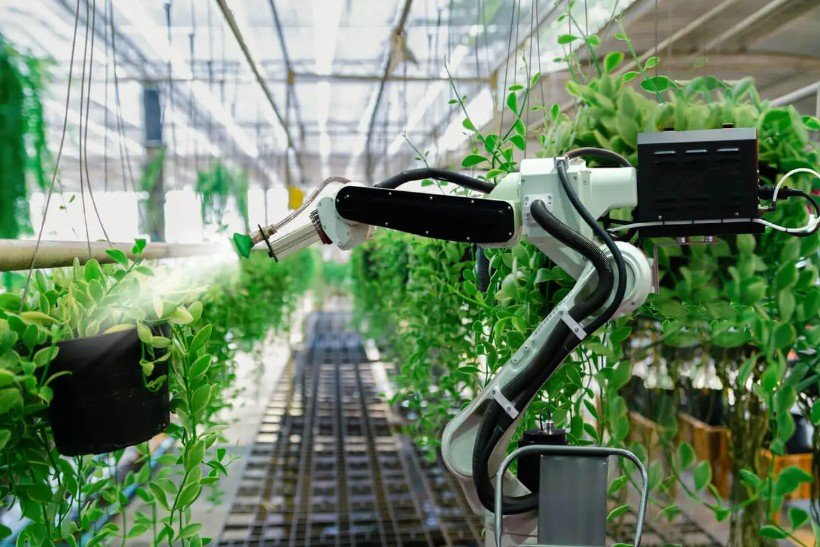
Smart greenhouses and controlled environment agriculture (CEA) are rapidly emerging as essential solutions to the challenges of climate change, resource scarcity and land degradation. By creating optimized, technology-driven growing environments, researchers and innovators are developing farming systems that ensure consistent, high-quality production regardless of external weather conditions. This shift is redefining what is possible in modern agriculture.
A. Rise of Hydroponics, Aquaponics and Aeroponics
Soilless farming techniques are central to CEA research. They allow crops to grow efficiently using significantly fewer resources:
- Hydroponics delivers nutrients directly through water, leading to fast growth and reduced fertilizer waste.
- Aquaponics integrates fish culture with plant production, creating a nutrient-rich, closed-loop system.
- Aeroponics mists plant roots with nutrient solutions, offering some of the highest growth rates and water savings among modern systems.
Researchers are continuously improving these systems to increase efficiency, reduce energy consumption and expand crop variety options.
B. Vertical Farming Research
Vertical farming uses stacked layers of crops in controlled indoor environments, maximizing production in minimal space. This approach is gaining attention in both urban and rural settings. Current research focuses on:
- Optimizing plant density and spacing
- Improving automated nutrient delivery systems
- Enhancing airflow and humidity regulation
- Reducing energy costs through smart design
Vertical farms are becoming vital in regions with limited arable land, providing fresh produce close to urban consumers and reducing transportation emissions.
C. Automated Climate Control Systems
Automation is the backbone of smart greenhouse operations. Advanced climate control systems use sensors, AI and machine learning to maintain optimal growing conditions. These systems regulate:
- Temperature
- Humidity
- CO₂ concentration
- Ventilation
- Light exposure
By constantly analyzing environmental data, they adjust conditions in real time to support healthy, predictable plant growth.
D. LED Lighting Spectrum Optimization
Light is one of the most important factors in plant development, and modern research is exploring how different light wavelengths affect growth, flowering and nutrient composition. LED technology has made it possible to tailor light spectrums to specific crops and growth stages while significantly reducing energy consumption. Researchers are developing light recipes that:
- Boost photosynthesis efficiency
- Enhance flavor and nutritional value
- Improve flowering and fruiting
- Reduce energy costs in controlled environments
These innovations are making indoor farming economically viable on a larger scale.
E. Reducing Land and Water Dependency
One of the most significant advantages of CEA is its low resource requirement. Smart greenhouses can use up to 90{% less water than conventional farming, and they eliminate the need for large tracts of arable land. By recycling water, capturing runoff and managing nutrients precisely, these systems ensure minimal waste. This makes CEA a highly promising solution for food production in arid regions, urban centers and areas affected by soil degradation.
VII. Robotics & Automation in Modern Farming
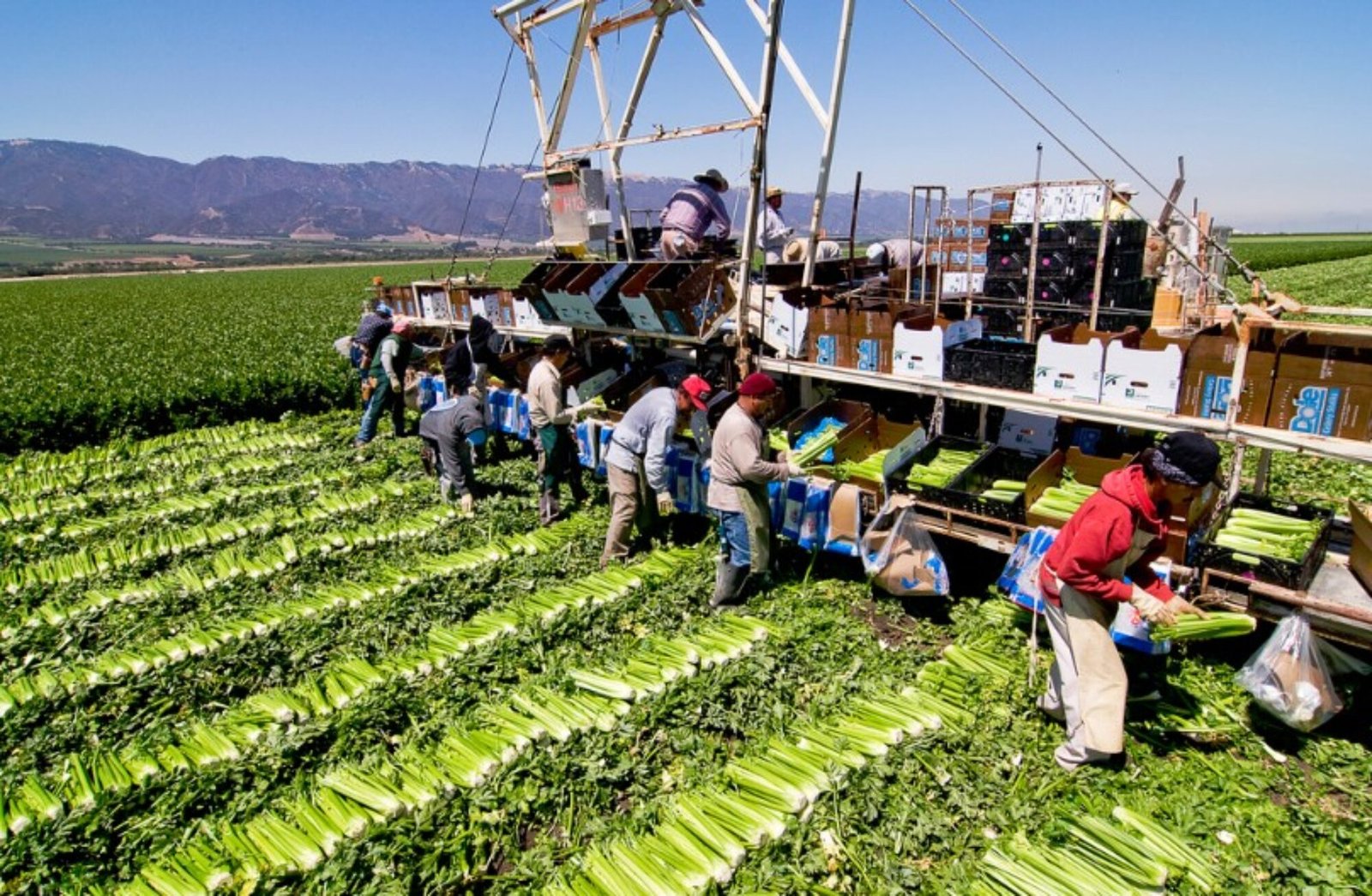
Robotics and automation are transforming agriculture by enhancing precision, reducing labor demands and streamlining repetitive tasks. As labor shortages intensify and the demand for higher productivity grows, researchers are developing advanced automated systems that can help farmers operate more efficiently. These technologies are redefining the way crops are planted, managed and harvested, paving the way for a more technologically advanced agricultural landscape.
A. Autonomous Tractors and Machinery
Autonomous tractors represent one of the most revolutionary advancements in farm mechanization. Equipped with GPS, sensors and AI navigation systems, these machines can perform tasks such as plowing, planting and spraying without human intervention. Modern autonomous machinery improves accuracy, reduces labor costs and operates efficiently even under challenging conditions. Research continues to enhance sensor precision, safety features and remote-control capabilities, making autonomous equipment increasingly practical for farms of all sizes.
B. Robotic Harvesting Systems
Harvesting is traditionally one of the most labor-intensive stages in agriculture. Robotic harvesters, however, are changing that by using vision systems, machine learning and robotic arms to pick fruits and vegetables with remarkable accuracy. These systems can work continuously and adapt to different crop varieties, reducing dependence on seasonal labor. Ongoing research aims to improve speed, handling sensitivity and adaptability to delicate crops such as berries, tomatoes and leafy greens.
C. AI-Powered Weed and Pest Control
Weed and pest management are critical to crop success, but chemical-heavy approaches pose environmental risks. Robotic systems equipped with AI and machine vision are emerging as effective alternatives. These machines can:
- Detect and remove weeds individually
- Apply micro-doses of herbicides
- Use lasers or mechanical tools for weed elimination
- Identify early signs of pest damage
AI-based pest monitoring robots help reduce chemical use, lower costs and promote ecological balance by targeting only affected plants.
D. Drone-Based Spraying and Mapping
Drones continue to play an increasingly important role in modern farming. In addition to monitoring, they now support spraying and fertilization tasks. Equipped with advanced nozzles and precision-guidance systems, drones can apply treatments evenly and accurately, even in hard-to-reach areas. This improves efficiency, reduces exposure to chemicals and minimizes waste. Research is expanding drone capabilities to enhance payload, flight duration and autonomous decision-making in the field.
E. Addressing Labor Shortages Through Automation
One of the driving forces behind the rise of agricultural automation is the global labor shortage affecting farming communities. Robotics provide consistent, reliable labor that can operate around the clock. By automating repetitive and physically demanding tasks, these technologies allow human workers to focus on higher-skilled roles such as supervision, maintenance and strategic planning. This shift not only improves productivity but also helps stabilize agricultural supply chains.
VIII. Sustainable Agriculture & Circular Farming Systems
Sustainable agriculture and circular farming systems are at the forefront of efforts to build resilient food systems that protect the environment while maintaining productivity. As global challenges such as climate change, soil degradation and water scarcity intensify, researchers and farmers are embracing approaches that close resource loops, reduce waste and create long-term ecological balance. This shift represents a major transformation in how agriculture is conceptualized and practiced.
A. Zero-Waste and Closed-Loop Nutrient Cycles
One of the core principles of circular farming is minimizing waste by transforming byproducts into valuable resources. Research focuses on developing systems where:
- Crop residues are converted into compost or biochar
- Livestock manure becomes a nutrient-rich fertilizer
- Water from aquaculture nourishes hydroponic crops
- Food waste is used for biogas or soil amendments
These closed-loop approaches improve resource efficiency, reduce pollution and enhance soil fertility while lowering overall production costs.
B. Integrated Farming Systems
Integrated farming combines crops, livestock, aquaculture and other components into a unified system where each element supports the others. Researchers have found that integrated farms can:
- Increase biodiversity
- Improve nutrient recycling
- Reduce the need for synthetic inputs
- Enhance farm resilience to pests and climate fluctuations
Examples include rice–fish farming, agroforestry and crop-livestock rotation systems, all of which create more balanced agricultural ecosystems.
C. Water Conservation Technologies
Water scarcity is a significant threat to agriculture, and innovative water-saving strategies are essential for future food security. Research-backed water conservation techniques include:
- Drip irrigation systems with automated controls
- Rainwater harvesting and storage innovations
- Soil moisture sensors for data-driven irrigation scheduling
- Greywater recycling systems
These methods ensure that farms use water responsibly while maintaining high crop productivity.
D. Eco-Friendly Pest Management
Sustainable pest management aims to protect crops without harming the environment. Research is driving the development of:
- Biological control agents such as beneficial insects and microbes
- Pest-resistant crop varieties developed through natural breeding
- Pheromone traps that disrupt pest mating cycles
- Botanical pesticides derived from natural plant compounds
By reducing dependence on synthetic chemicals, these methods promote healthier ecosystems and safer food production.
E. Supporting Long-Term Ecological Balance
Sustainable agriculture is not only about immediate productivity—it’s about building systems capable of thriving for generations. Research shows that farms adopting sustainable practices:
- Store more carbon in soil
- Nurture diverse plant and animal species
- Reduce erosion and preserve watersheds
- Strengthen resilience against climate extremes
By aligning farming with natural ecological processes, these approaches create a stable foundation for future agricultural production.
IX. The Future of Farming: What Lies Ahead
The future of farming is being shaped by rapid technological advancements, evolving environmental conditions and an increasing global demand for sustainable food production. As research continues to push boundaries, agriculture is entering a period of innovation unlike anything seen before. The coming decades will likely witness integrated systems, smarter technologies and global collaborations that ensure farming remains productive, resilient and environmentally sound.
A. Integration of Multi-Technology Systems
The next era of agriculture will be defined by the seamless integration of diverse technologies. Instead of using tools in isolation, farms will combine:
- AI-powered analytics
- Robotics and automation
- Precision irrigation and fertilization
- Controlled environment agriculture
- Advanced genetics and biotechnology
These interconnected systems will create smarter, more adaptive farms capable of responding to environmental challenges in real time. Integration will also enhance resource efficiency, crop quality and output consistency.
B. Scaling Innovations for Small and Large Farms
While many agricultural innovations begin in research institutions or large commercial operations, future efforts will focus on making these technologies accessible to farms of all sizes. This includes:
- Low-cost sensor systems
- Affordable drone monitoring tools
- Open-source farm management software
- Scalable renewable energy solutions
Ensuring that smallholder farmers—who produce a significant portion of the world’s food—benefit from modernization will be key to boosting global food security.
C. Policy and Investment Trends
Government policies and private investments will play crucial roles in shaping the future of farming. Anticipated trends include:
- Incentives for adopting sustainable and climate-smart practices
- Greater funding for agricultural research and innovation
- Expansion of digital infrastructure in rural areas
- Public–private partnerships to accelerate technology adoption
Supportive policies will enable farmers to transition more easily to advanced systems, while strong investment will drive continued breakthroughs in agricultural science.
D. The Role of Farmers, Researchers and Governments
The future of farming relies on collaboration across all sectors. Farmers will serve as innovators on the ground, applying new tools and practices. Researchers will continue developing science-backed solutions, while governments and organizations provide the framework for implementation. Effective collaboration will ensure that new agricultural technologies are not only created but also adopted widely and responsibly.
X. Conclusion
The landscape of agriculture is evolving at a pace never seen before, driven by groundbreaking research and innovations designed to address the urgent challenges of climate change, population growth and resource scarcity. From climate-resilient crops and precision farming tools to robotics, biotechnology and circular food systems, each advancement is helping shape a more sustainable and efficient future for global food production.
What becomes clear across all these emerging trends is that the future of farming will not rely on a single solution. Instead, it will emerge from the integration of diverse technologies, regenerative practices and data-driven strategies. Farmers will adopt smarter tools to optimize yields, scientists will continue uncovering new insights to improve crop performance and policymakers will support systems that make modern agriculture accessible to all—especially smallholder farmers who play a critical role in global food supply.
Ultimately, the innovations taking place today are more than just scientific milestones—they are building the foundation for a resilient agricultural ecosystem capable of feeding generations to come. As these research-driven trends continue to develop, the future of farming promises a world where food production is more sustainable, technologically advanced and prepared to withstand the challenges ahead.